Army Ditches 80-Year-Old Ammo Boxes for Polymer SixPAC System
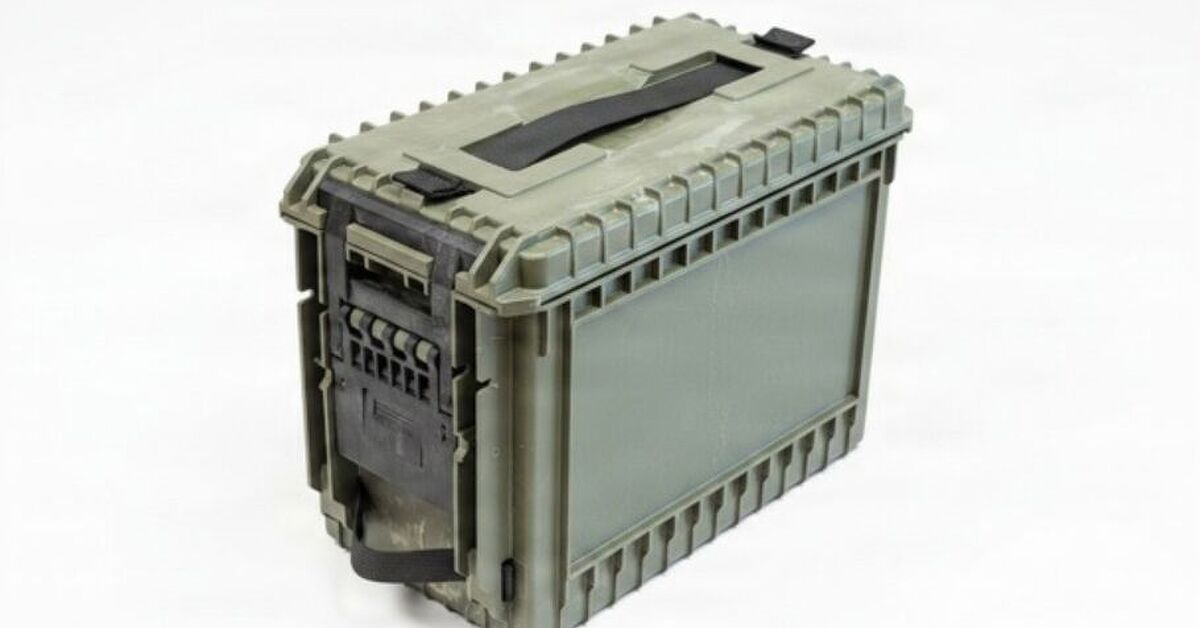
The U.S. Army Combat Capabilities Development Command Armaments Center introduced SixPAC, a modernized ammunition packaging platform that replaces wooden wirebound boxes used since World War II for small-caliber munitions. The system pairs two lightweight polymer inner containers with a steel outer pack, marking the first major redesign of standard mil-spec ammo storage in over eight decades. Initial deployment targets 6.8mm cartridges.
Key Details
- SixPAC combines polymer and steel construction versus traditional all-wood boxes used for 80+ years
- Two inner polymer containers nest within the steel outer pack for modular handling and transport
- First implementation designed around 6.8mm ammunition, with potential for broader caliber adoption
- System aims to reduce weight and improve durability in field conditions and storage
Why It Matters for Gun Owners
This shift signals how mil-spec ammunition logistics trickle into civilian supply chains. Lighter, more durable packaging reduces shipping costs—a factor that pressures ammunition manufacturers competing for contracts and commercial sales. Shooters buying surplus or civilian equivalents manufactured under similar standards benefit from better-protected rounds and longer shelf life. The 6.8mm focus reflects Army ammunition modernization priorities; civilian reloaders and competition shooters tracking military-contract ammunition availability should monitor whether this container redesign affects market supply and pricing. Ammunition companies bidding on government contracts must now retool production lines to meet the new SixPAC spec.
DownRange Analysis
The Army's move from wood to polymer-steel hybrid packaging reflects practical logistics rather than regulatory pressure. Lighter containers reduce transport weight on already-strained supply lines; steel reinforcement protects rounds from crush and moisture damage that plague wooden crates in deployed environments. For civilian shooters, this matters primarily if you buy surplus military ammunition or shoot calibers (like 6.8mm SPC or future Army standards) produced under government spec. Watch whether ammunition manufacturers pass through cost savings or absorb tooling expenses. The precedent is clear: when Uncle Sam redesigns mil-spec anything, commercial ammunition eventually follows.