Germany Deploys G95 Rifle to Combat Engineers Ahead of Schedule
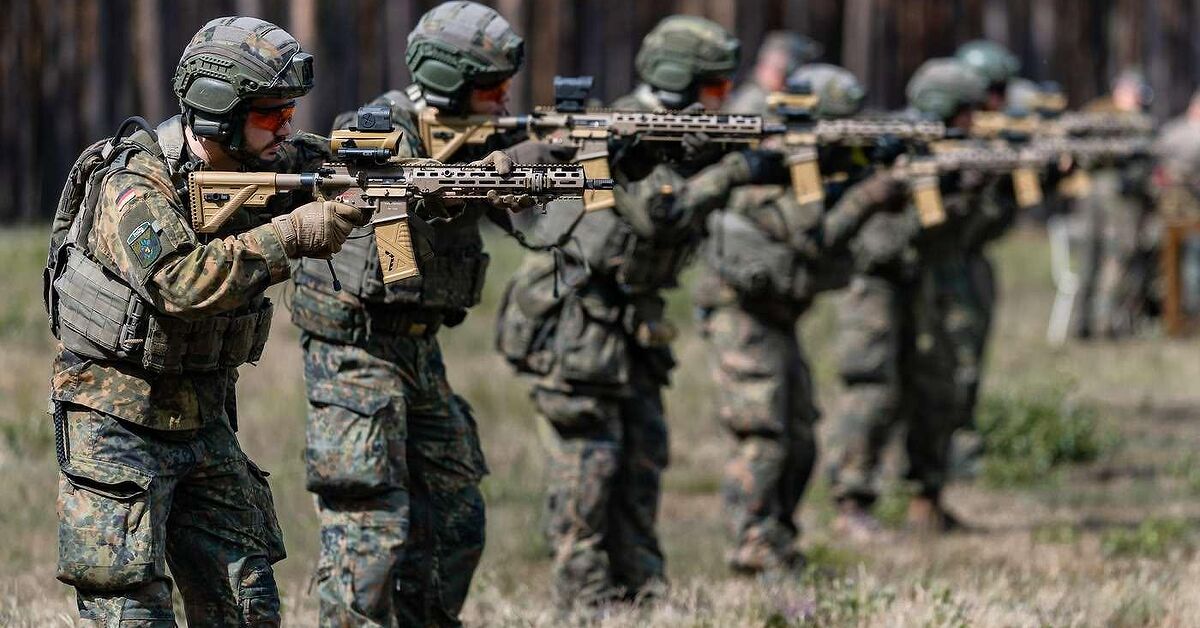
The 1st Company, Panzerpionierbataillon 701, stationed in Gera, Germany, has begun live training with the G95 service rifle—the replacement for the platform Germany's military has carried for decades. This unit is receiving the new rifle well ahead of its official unit fielding date, suggesting accelerated adoption across the German armed forces as the transition progresses incrementally across multiple battalions and shooting ranges.
Key Details
- Unit: 1st Company, Panzerpionierbataillon 701 (armored engineer battalion)
- Location: Gera, Germany
- Rifle: G95—Germany's new standardized service rifle replacing older platforms
- Status: Early training deployment; full unit fielding still pending
- Rollout: Ongoing across German military on a unit-by-unit basis
Why It Matters for Gun Owners
The German military's methodical transition to the G95 reflects practical lessons in platform standardization and training timelines. For American shooters and military observers, this staggered approach—training small combat units before formal adoption—mirrors how effective military transitions occur. The photo documentation of real-world training confirms that rifle modernization requires hands-on range time, not just bureaucratic approval. This also demonstrates NATO's ongoing modernization across European allies, relevant for anyone tracking international defense procurement trends or understanding how allied forces evolve their weapons systems. The advance training of forward units suggests confidence in the G95's reliability and performance in combat roles.
DownRange Analysis
Germany's rifle replacement program moves deliberately. Rather than attempting force-wide simultaneous fielding—which historically causes training gaps and supply chain chaos—the German military is cycling units through transition training before their official adoption dates. This prevents the common pitfall of soldiers deploying with unfamiliar weapons. For comparison, militaries that rush procurement without advance unit training often face accuracy and reliability complaints in the field. The G95 transition also signals broader NATO interoperability discussions, though European nations maintain independent procurement authority. Gun owners tracking military rifle evolution should note that real-world adoption proves slower than announcement dates suggest—a reality that applies equally to civilian market shifts.