Toledo Woman Stops Two Attackers With Shotgun
A Toledo, Ohio woman deployed a shotgun to stop two men actively fighting with her family member. Police responded and confirmed the incident as lawful self-defense. The defender faced multiple simultaneous threats and chose armed response. No injuries were reported to the homeowner. This case reinforces why shotguns remain America's most common home-defense firearm.
Why It Matters for Gun Owners
Multiple attackers demand serious firepower. A shotgun's spread pattern at close quarters neutralizes multiple threats without requiring precision shooting under extreme stress. The Toledo defender made the correct tactical choice—the firearm's presence and her clear willingness to use it stopped the threat instantly.
Ohio's castle doctrine and self-defense statutes backed this lawful use. The woman didn't need to fire a shot. That outcome represents the ideal armed encounter: threat eliminated, no rounds downrange, family protected.
For daily carriers and homeowners nationwide, this incident underscores critical lessons. Know your state's self-defense laws. Practice regularly with your chosen home-defense firearm. Understand when presence matters as much as action. Most defensive gun uses never fire a shot—the armed citizen's credible willingness to fight stops the threat cold.
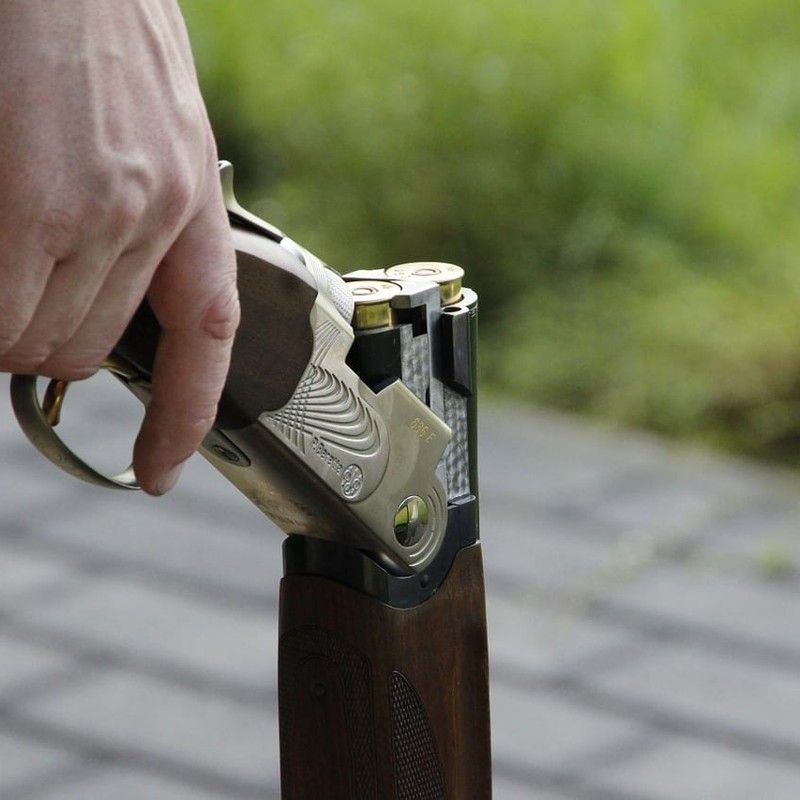
Shotguns excel at home defense because they work at typical engagement distances—10 to 25 feet inside a house. The Mossberg 500, Remington 870, and Maverick 88 remain affordable, reliable choices. Budget under $350 for quality used models. Expect 18.5-inch barrels for maneuverability indoors. Keep rounds loaded and accessible, but secured away from unauthorized hands.
Background
Defensive gun uses occur thousands of times daily in America, though media coverage remains sparse. The Centers for Disease Control, even under hostile review, documented between 60,000 and 2.5 million defensive gun uses annually. Most never make headlines. Toledo's case reached public attention because police explicitly confirmed the defensive nature and two attackers faced a prepared homeowner.
Shotguns have dominated American home defense since the early 1900s. Military and law enforcement relied on them for close-quarters effectiveness. That experience transferred to civilian use. A shotgun requires less training than a rifle for home defense at typical household distances. The psychological impact of a charging shotgun wielder—the sound, the visual profile, the known lethality—often ends confrontations without firing.
Ohio permits open and concealed carry without permits for lawful citizens. Castle doctrine removes duty to retreat from your own home. These legal protections enable homeowners to respond to threats decisively. The Toledo incident occurred within this legal framework.
DownRange Bottom Line
Shotguns work. Armed citizens stop attackers every single day. This Toledo case adds documented evidence to the defensive gun use archive. The woman's choice to keep a shotgun accessible and her training to use it protected her family and stopped multiple threats cold.
For your home, identify your most likely threat scenario. Interior multiple attackers? Shotgun or AR-15 pistol. Vehicle-based threats? Rifle or pistol carried daily. Practice quarterly. Know your laws. Keep your firearm and ammunition secured but accessible to authorized users only.
The shotgun remains the most effective tool for home defense in America. This Toledo shooting proves it once again. Stay trained. Stay ready. Protect your family.