
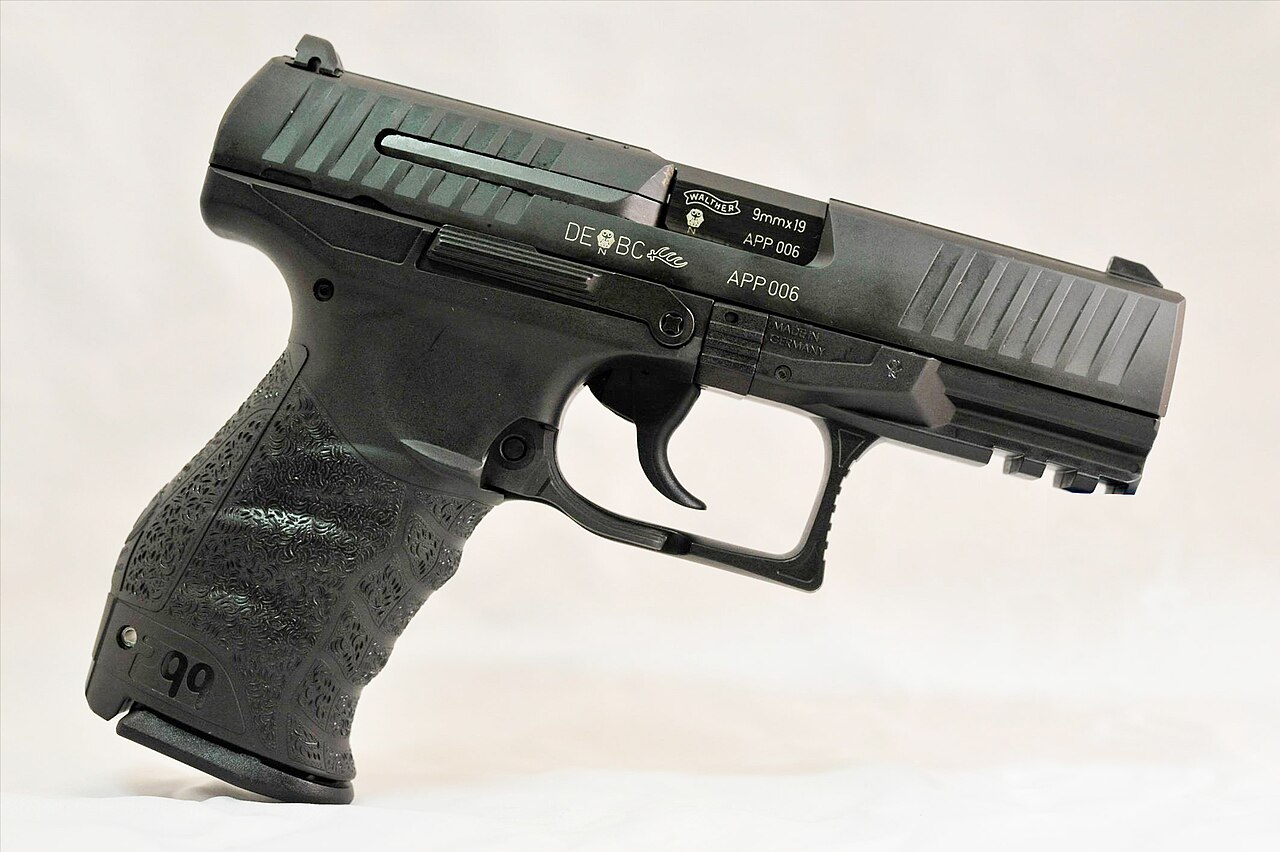
Most first-time gun buyers make the same mistake: they walk into a gun store with no plan and let a salesperson decide for them. That's not necessarily bad — good salespeople at good stores provide real guidance. But you'll make a much better decision if you walk in knowing what you want and why.
Step 1: Know Your Purpose
The most important question isn't "which gun should I buy?" — it's "what do I need this gun for?" Your answer shapes everything else.
The four main purposes are: home defense, concealed carry (EDC), range shooting/sport, and hunting. Many people want a gun that does two or three of these things. That's fine, but understand the tradeoffs.
A compact 9mm pistol like the Glock 19 can handle home defense, concealed carry, and range shooting competently. A 12-gauge shotgun excels at home defense but is not concealable. A .22 LR is ideal for learning but isn't the best for serious defense. Be honest about your primary use case.
Step 2: Set a Realistic Budget
Budget honestly. The gun is not the only cost.
Total realistic budget: $700–$1,500 to do it right. Anyone who tells you a $200 handgun is fine for serious defensive use is giving you bad advice. Quality matters when your life may depend on it.
Step 3: Choose the Right Caliber
9mm Luger is the right choice for most beginners. Period.
Why? It has manageable recoil, excellent terminal ballistics from modern hollow point ammunition, affordable training ammunition (currently around 18¢/round), and it's the most common service pistol caliber in the world — meaning every major manufacturer makes quality 9mm pistols.
For 2026, avoid .40 S&W (higher recoil, limited advantage over 9mm, being phased out of most agencies). The .45 ACP is a fine cartridge but the recoil and lower magazine capacity make it harder for beginners to shoot well. .380 ACP is acceptable for ultra-compact carry guns but is marginal for defensive use.
For a first rifle: .22 LR is the best learning platform. For a serious defensive rifle: 5.56 NATO / .223 Remington.
Step 4: Handle Before You Buy
Never buy a firearm you haven't handled — ideally one you haven't shot. Here's how:
What to check when handling: Does it fit your hand? Can you comfortably reach the trigger without shifting your grip? Can you operate the controls (slide, safety if present, magazine release) with your shooting hand? Can you see the sights clearly?
Step 5: The Background Check Process
When you buy from a Federal Firearms Licensee (FFL) dealer, you'll fill out ATF Form 4473 and undergo a NICS (National Instant Criminal Background Check System) check.
Some states add additional requirements: waiting periods (Washington: 10 days, California: 10 days, Florida: 3 days), safety training certificates, or state-level permits.
Top Recommended Starter Pistols (2026)
Avoid: Off-brand "polymer pistols" under $250. There are some that work, but this is not the category to experiment in.

DJ Cavalcanti founded DownRange on a simple idea: the Second Amendment community deserves better information. He built the platform to make firearms news, state gun laws, legal developments, and market intelligence freely available to every gun owner — in one place, updated constantly.