
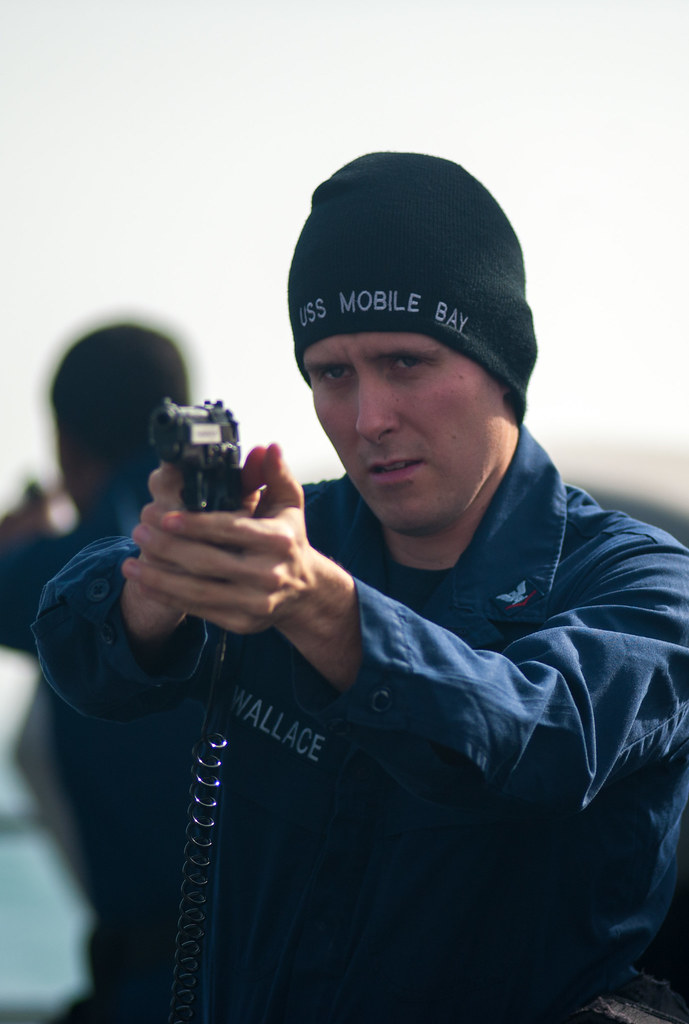
Ammunition costs money. Range time costs money. Dry fire costs nothing and can be done in your living room.
Dry fire practice — practicing your draw, trigger press, sight alignment, and movement with an unloaded firearm — is how professional competitive shooters stay sharp between matches. USPSA Grand Masters, military special operations snipers, and defensive shooting instructors all use dry fire as a primary training tool. The reason: it isolates the fundamentals without the distraction of noise, recoil, and range environment.
Safety First: How to Set Up a Safe Dry Fire Session
Dry fire has caused negligent discharges. The risk isn't that dry fire is inherently dangerous — it's that people get sloppy about whether the gun is actually unloaded.
The cause of dry fire NDs is always the same: someone picks up the gun between dry fire sessions, doesn't check whether it was reloaded, and fires it thinking they're dry firing.
Note: some firearms (Glock, SIG striker-fired) require a trigger pull to field strip — this means you may need to dry fire the unloaded gun once to strip it. This is fine. The concern is unintentional dry fire of a loaded gun.
For peace of mind: Snap Caps ($12–$20 for 5-pack) are dummy rounds that allow your firing pin to strike without damage and make the empty chamber visually obvious.
The 5 Fundamentals to Practice
Focus your dry fire sessions on these five skills in rough order of importance:
A 15-Minute Weekly Dry Fire Program
Consistency beats duration. 15 minutes three times per week produces more skill development than an hour once a month. Here's the program:
Warm-up (3 minutes) — 20 trigger presses from ready position (gun already at eye level), watching the front sight for movement. This re-establishes your baseline and identifies any bad habits from the week.
Draw strokes (5 minutes) — 15 draws from your carry position to first shot press. Time yourself with a par timer app (Shot Timer or PACT Club Timer, free on iOS/Android). Your goal: consistent draw time under 2 seconds from concealed to first shot, with no sight movement at trigger break. Count reps, not time.
Reloads (4 minutes) — 10 emergency reloads from slide-lock, 5 tactical reloads. Use dummy magazines (Snap Caps or commercial dummies). Drop the magazine, seat the replacement with authority, rack the slide.
Mirrored session (3 minutes) — repeat the first draw set, but watch yourself in a mirror or record on your phone. The feedback is immediate and merciless. You'll see grip problems, muzzle dip, and inconsistent presentation that you can't feel.
The progression: run this program for 30 days. You will notice real improvement in your live-fire sessions — faster, more accurate, more consistent.

DJ Cavalcanti founded DownRange on a simple idea: the Second Amendment community deserves better information. He built the platform to make firearms news, state gun laws, legal developments, and market intelligence freely available to every gun owner — in one place, updated constantly.