DOJ declares federal under-21 handgun sales ban unenforceable nationwide
The Trump Department of Justice announced it will not enforce the federal prohibition on licensed firearms dealers selling handguns to adults under 21. This follows the DOJ's earlier position that the 1968 Gun Control Act restriction violates Second Amendment rights. The agency now extends that stance across all jurisdictions, effectively halting enforcement everywhere.
This reversal marks a sharp departure from Biden administration policy. Federal agents previously pursued cases against FFLs selling handguns to young adults. That enforcement apparatus now stops.
The practical effect: Licensed dealers can legally sell handguns to 18-20 year-olds without federal prosecution. State laws still apply where they exist. But the federal government removes its enforcement power from the equation.
Why It Matters for Gun Owners
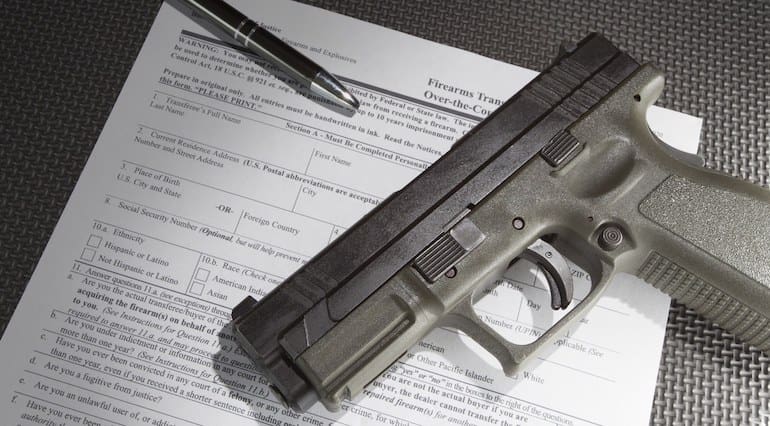
Young adults gain direct access to handgun purchases through legal channels. No more waiting until 21. No more driving to states with different rules. An 18-year-old can walk into an FFL and complete a 4473 for a handgun today.
This affects millions of Americans. Military personnel aged 18-20 can purchase carry weapons. College-aged adults can arm themselves for self-defense. First-time gun owners no longer face arbitrary age restrictions that contradict constitutional protections.
For FFLs, the policy removes legal exposure. Dealers operating in states without their own under-21 restrictions can now move handgun inventory to young adults without fear of federal charges. This expands their customer base and reduces compliance complexity.
Second Amendment advocates view this as constitutional vindication. If 18-year-olds possess constitutional rights to keep and bear arms, restricting handgun sales contradicts that principle. The DOJ alignment confirms this reasoning in federal policy.
State gun control jurisdictions face pressure. Where states impose their own under-21 bans, federal non-enforcement creates legal conflict. Some states may push back. Others may follow the federal lead.
Background
The 1968 Gun Control Act set 21 as the minimum age for handgun purchases through FFLs. Long guns remained purchasable at 18. This distinction created constitutional questions: why protect 18-year-olds' rifle rights but not handgun rights?
Second Amendment litigation accelerated after the 2022 Bruen decision. Courts began striking down age-based restrictions. The 5th, 6th, and other circuits ruled the under-21 handgun ban unconstitutional. Federal prosecutors faced dismissals in enforcement cases.
The Biden DOJ initially defended the ban in court filings. As circuit courts ruled against it, resistance became futile. The Trump administration inherited cases it chose not to defend.
Constitutional scholars split on the issue. Some argue 18-year-old militia eligibility supports handgun access. Others claim traditional restrictions on young adult handgun sales have historical precedent. Recent judicial precedent favors the former interpretation.
State responses vary. California, New York, and other restrictive jurisdictions maintained their own under-21 bans. Constitutional carry states already allowed it. Mid-range states faced policy choices.
DownRange Bottom Line
Gun owners under 21 now access handguns through FFLs without federal prosecution risk. This policy reflects constitutional Second Amendment protections. FFLs operating in permissive states gain regulatory certainty and market access.
State restrictions still bind dealers in those jurisdictions. Federal non-enforcement doesn't preempt state law. But the federal government stops blocking what its courts ruled constitutional.
This accelerates normalized access for young adults. Military service, self-defense, sport shooting—all now include handguns for 18-20 year-olds in compliant states. The policy aligns federal enforcement with constitutional reality.
Monitor state legislative responses. Some may challenge federal non-enforcement. Others may liberalize their own age restrictions. The practical landscape shifts state-by-state from here.