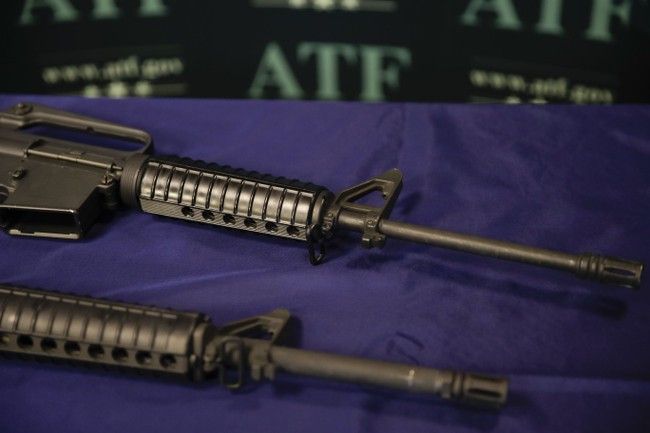
ATF Publishes Ghost Gun Tracing Factsheet to Counter Enforcement Narrative
The ATF released a factsheet in October 2026 addressing privately made firearms and traceability claims central to the federal gun control debate. The document directly confronts a core argument from anti-gun advocates: that untraceable firearms are desirable to criminals precisely because law enforcement cannot trace them. The factsheet challenges this premise by examining actual criminal gun sourcing data.
Key Details
- Anti-gun opponents claim ghost guns are criminal tools because they cannot be traced through ballistics or serial number databases.
- Actual evidence shows most criminals obtain firearms from black market dealers, not private manufacturers.
- The factsheet separates political rhetoric from operational reality on how criminals source weapons.
Why It Matters for Gun Owners
This factsheet matters because it exposes the weak logical foundation of ghost gun restrictions. If criminals don't actually prefer untraceable firearms—if they predominantly buy from black market sources—then bans on privately made firearms serve no genuine law enforcement purpose. Gun owners facing state-level bans or federal restrictions should understand that the primary justification lacks evidentiary support. The factsheet provides ammunition (literally) for Second Amendment advocates challenging regulations in court. This is particularly relevant for owners in states with PMF bans like California, New York, and Illinois, where enforcement relies on the false traceability argument.
DownRange Analysis
The ATF's willingness to publish this factsheet suggests internal acknowledgment that the traceability narrative doesn't hold water operationally. This matters for pending Bruen-era litigation challenging ghost gun bans. Courts evaluating these restrictions must now confront federal agency data showing the stated rationale—keeping guns out of criminal hands through ballistic tracking—is disconnected from actual criminal behavior. Gun owners should reference this factsheet in comments opposing state PMF restrictions and in litigation briefs. The document shifts burden-of-proof back to prosecutors to explain why private manufacturing poses a unique public safety threat when criminals demonstrably source weapons through established black market channels.