ATF Confirms Major Ransomware Breach; Criminal Group Claims Access
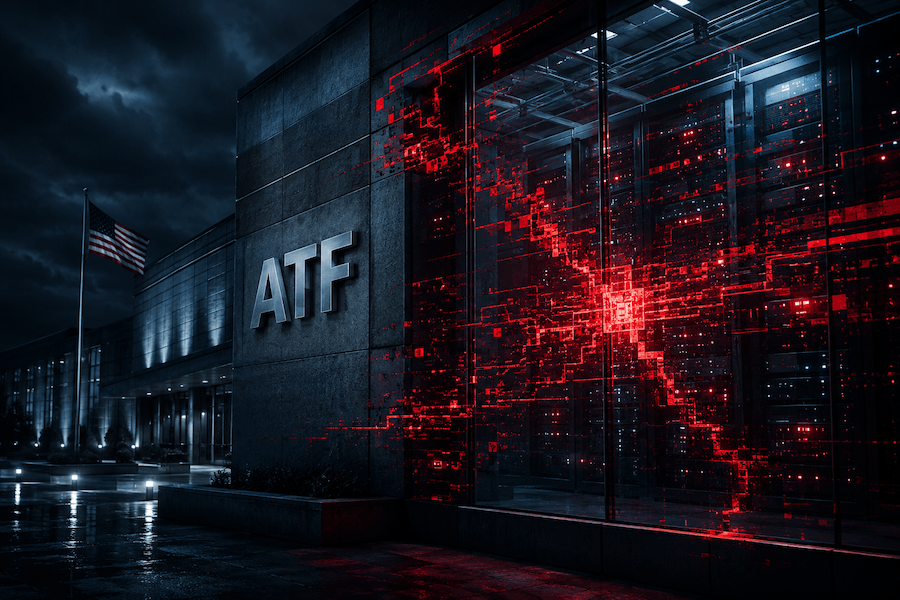
A ransomware criminal group claims it breached the Bureau of Alcohol, Tobacco, Firearms and Explosives (ATF), and the agency has publicly confirmed a major incident took place. As of August 28, 2026, the full scope of compromised data—including potential access to firearms transaction records, NFA registrations, and dealer compliance files—remains unclear. The ATF has not released specifics about what systems were targeted or when the breach occurred.
Key Details
- A ransomware gang publicly posted claims of successful ATF compromise
- The ATF acknowledged the breach as a major incident in official communications
- Specific data compromised and timeline of the attack have not been disclosed
- No ransom demand details or leaked files have been independently verified as of publication
Why It Matters for Gun Owners
If the breach is confirmed and NFA records were accessed, suppressors, short-barreled rifles, and machine gun registrations could be exposed. FFL (Federal Firearms License) dealer records, Form 4473 applications, and NICS background check data may also be at risk. Gun owners who submitted ATF forms in the past decade—particularly those with NFA items—should expect potential identity theft or targeted harassment. Competitive shooters and collectors are higher-value targets for criminal groups. Monitor credit reports, watch for phishing attempts claiming to be ATF-related, and consider identity theft protection services. This breach could also become a regulatory weapon: anti-gun lawmakers may use it to justify stricter data collection or centralized gun registries despite Second Amendment concerns.
DownRange Analysis
The ATF's vague confirmation without details is typical crisis management, but it's also a liability. Gun owners deserve transparency about what was taken and whether their transaction history is public. This breach exposes a hard truth: the ATF stores millions of firearms records on systems that apparently weren't hardened against professional ransomware crews. Whether the agency paid a ransom or if files actually were exfiltrated may never be disclosed—and that silence breeds distrust. Congress should demand a full audit. Meanwhile, expect this incident to be weaponized by both anti-gun groups (demanding more federal oversight) and Second Amendment advocates (arguing centralized databases are indefensible). Gun owners should assume their data is compromised and act accordingly.