Ruger 10/22 Holds Rimfire Crown After Six Decades in Production
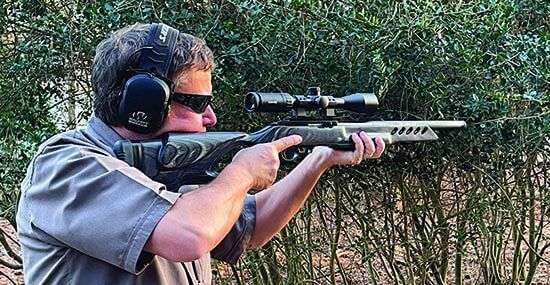
The Ruger 10/22 has spent 62 years establishing itself as the go-to .22 LR platform for beginners and precision shooters alike. GunsAmerica tested both a factory Carbine configuration and a custom-built variant to examine why this straightforward rimfire design continues to outsell competitors and attract aftermarket support that rivals centerfire platforms.
Key Details
- Factory Carbine tested alongside a custom-built 10/22 variant
- Rimfire platform maintains dominant market position after 62 years in continuous production
- Design simplicity paired with extensive aftermarket ecosystem drives sustained adoption
- .22 LR ammunition remains the cheapest centerfire-class alternative for high-round-count training
Why It Matters for Gun Owners
The 10/22 occupies a unique position in the shooting world. New shooters cut their teeth on factory Carbines—the recoil is nil, the ergonomics are intuitive, and a brick of .22 LR costs pennies per round. Experienced shooters and competitors build custom 10/22s for precision rifle fundamentals, small-game hunting, and suppressed shooting without the expense of centerfire ammunition or NFA registration. If you own a 10/22, you can source parts from Ruger directly, Brownells, Volquartsen, and dozens of other manufacturers. This isn't a platform you'll outgrow—it's one you'll modify and keep for decades.
DownRange Analysis
Ruger's 10/22 has survived every trend, regulation change, and competitor introduction because it does one thing exceptionally well: it shoots .22 LR reliably. No complexity means no points of failure. The aftermarket ecosystem is so developed that you can spend $200 on a stock Carbine or $2,000+ on a match-grade custom and use nearly identical ergonomics and controls. Factory Carbines remain affordable entry points into marksmanship; custom builds teach centerfire-equivalent discipline at rimfire cost. That's not a product—that's a platform. Ruger's 62-year run proves it.