Ruger Pulls 19 Gun Families, Including the GP100 and Blackhawk
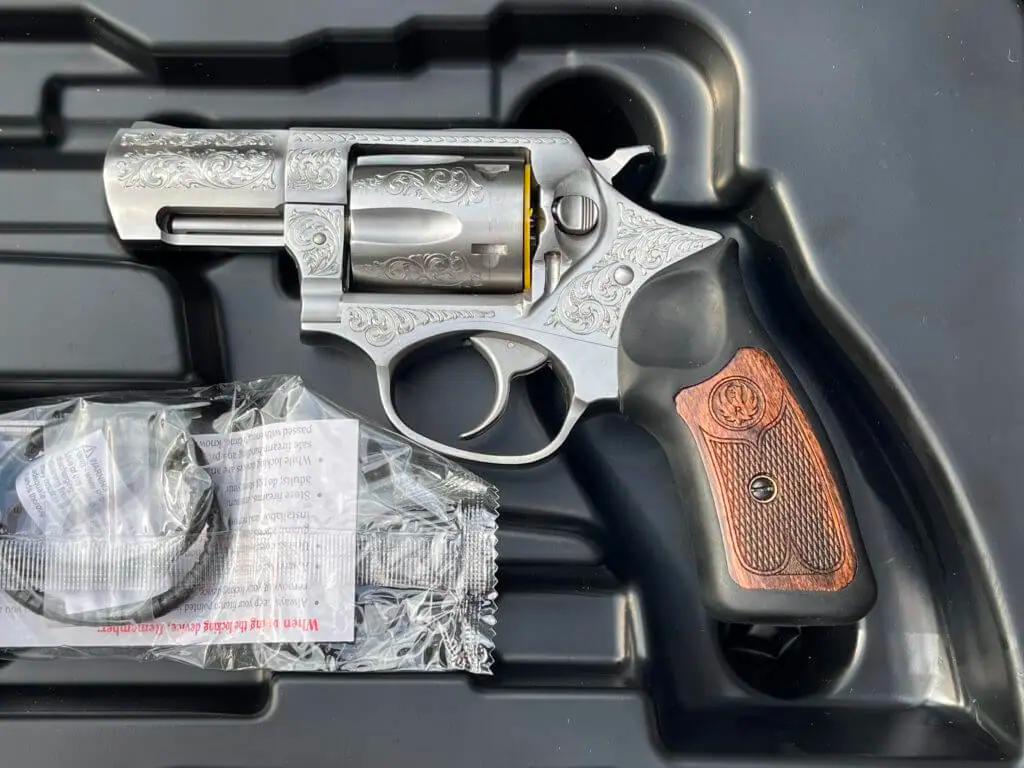
Ruger is suspending or winding down production on 19 firearm product families, and the cut hits the company's most recognizable revolvers. CEO Todd Seyfert confirmed the move on the third-quarter earnings call, the same call that showed Ruger's strongest quarter in a while. The GP100, SP101, Blackhawk, Redhawk, Vaquero and No. 1 all sit on the chopping block. Four revolver families stopped production immediately. Ruger will run out the other 15 families before the end of 2026. The company calls this a portfolio trim, not a retreat. Gun owners who want these models should start watching dealer shelves now.
Key Details
The numbers behind the cuts are strong. Ruger reported third-quarter net sales of $147.6 million, up 16.5% from $126.8 million a year earlier. Here is what else the quarter showed:
- Diluted EPS: 36 cents, up from 10 cents.
- Adjusted EPS: 44 cents.
- Adjusted EBITDA: roughly $14 million, up from about $3 million.
- Production: 434,300 firearms, which Seyfert called a near-term production record.
- Shipments: 402,300 firearms.
- Backlog: 601,200 units.
- Affected families: about 4% of firearm production and roughly $25 million in annual revenue, which Ruger says produce little or no profit.
- Immediate stop: four revolver families. Reports say outstanding distributor orders for those models were canceled.
- Final runs: 15 families before the end of 2026, placed on allocation. Distributor orders that go unfilled when those runs end will be canceled.
- Still in production: Wrangler and Super Wrangler revolvers, Marlin and Glenfield lines, and RXD suppressors developed with Dead Air.
- Launches: multiple new products expected over the next three to four months, with some tied to SHOT Show 2027.
Seyfert separated suspension from permanent discontinuation. He said demand in these categories fell far enough to force the decision, but Ruger could revive any family if demand returns or engineers redesign it for cheaper production. Ruger has not named which families might come back or given any timeline. Ruger also cut workforce earlier this year, left those positions unfilled, and rolled out a new Oracle business-management platform.
Background
Ruger built much of its reputation on revolvers. The Blackhawk dates to 1955, and the Bearcat followed in 1958. The Redhawk arrived in the late 1970s, and the GP100 debuted in 1985. The SP101 came along in the late 1980s, the Vaquero in 1993, and the LCR in 2009. The No. 1 single-shot rifle, a separate Ruger heritage line, has its own long following. Several of these designs have shaped what American shooters expect from a double-action or single-action revolver for decades.
The revolver market has changed since the 2020 buying surge. Demand that spiked during that stretch cooled across the industry, and manufacturers spent the following years retooling and cutting lines that no longer paid their way. Ruger's 2030 strategy fits that pattern. The company wants fewer product families, less manufacturing complexity, and more capital aimed at products that move. Seyfert said Ruger has paused families before and brought some back later, which gives the company an established path to revive these models if the math changes.
Why It Matters for Gun Owners
If you carry or hunt with a GP100, SP101, LCR or Bearcat, the timing matters. Those four stopped production immediately, so the supply on dealer shelves will shrink as existing stock sells through. Distributors have already lost outstanding orders on those models. Expect fewer new-in-box options and more gray-market pricing within months, not years. Used prices on discontinued Ruger revolvers typically climb once the factory stops building them, so a buyer who waits may pay more.
The Blackhawk, Redhawk, Vaquero and No. 1 are on the list too, and they will run out on a slower timeline. Shooters who collect or depend on specific barrel lengths, calibers or finishes should lock in what they need during the allocation period. Owners of Wrangler revolvers, Marlin lever guns and Glenfield rifles have no cause for alarm. Ruger has kept those lines running, and the RXD suppressor remains in the catalog. Watch dealer inventory, put your name on waitlists, and check the Ruger site before SHOT Show 2027 for replacement models or redesigns.
DownRange Analysis
This is a business decision, not a constitutional one. No government agency banned these guns, so New York State Rifle and Pistol Association v. Bruen does not apply. Bruen asks whether the government can justify a restriction on arms ownership with historical tradition. Ruger never faced that test here. The company simply stopped making products that lost money. That makes the cut a market signal, and it is a clear one: Ruger chose capacity for growth over legacy revolvers that generate little profit.
The lesson is simple. Buy the gun you want when it is on the shelf. Ruger is profitable, carries no debt, and says it will keep building. The company may bring some of these families back, but it has no obligation to do so. If you want a GP100 or SP101 for your safe, the time to act is now, while factory and dealer stock still exists.