Cook County Wants Its Rifle Ban Case Tossed. SAF Says Keep Fighting.
On November 11, 2026, the Second Amendment Foundation filed a reply brief at the U.S. Supreme Court in Viramontes v. Cook County, telling the justices the case still deserves a ruling. Cook County had urged the Court to treat the case as moot after lead plaintiff Viramontes asked in late October to be removed from the suit. SAF and its co-plaintiffs argue a live dispute remains over Cook County’s ban on many commonly owned modern rifles. The Court has scheduled oral arguments for Wednesday, December 2, and SAF plans to argue on that date regardless of how the mootness question is resolved.
Key Details
The filing puts a single procedural question in front of the justices, but the stakes run far wider than one county ordinance. Here are the facts that matter:
- Filing date: November 11, 2026, submitted by SAF from its Bellevue, Washington headquarters.
- Trigger: A late-October request from lead plaintiff Viramontes to be dismissed, followed by a Cook County brief arguing the case should be mooted and dismissed.
- Original filing: The Viramontes challenge was filed in 2021 and targets Cook County’s ban on many commonly owned modern firearms.
- Connection to Illinois: SAF describes the county ordinance as the precursor to a nearly identical statewide ban passed by the Illinois legislature.
- Companion case: Grant v. Higgins challenges Connecticut’s ban on commonly owned semi-automatic rifles, both by name and by feature set. The Supreme Court also granted review in Grant this summer.
- Co-plaintiffs: The Firearms Policy Coalition and two private citizens join SAF in Viramontes. The Connecticut Citizens Defense League and three private citizens join SAF in Grant.
- Argument date: Both cases are set for oral argument on December 2, 2026.
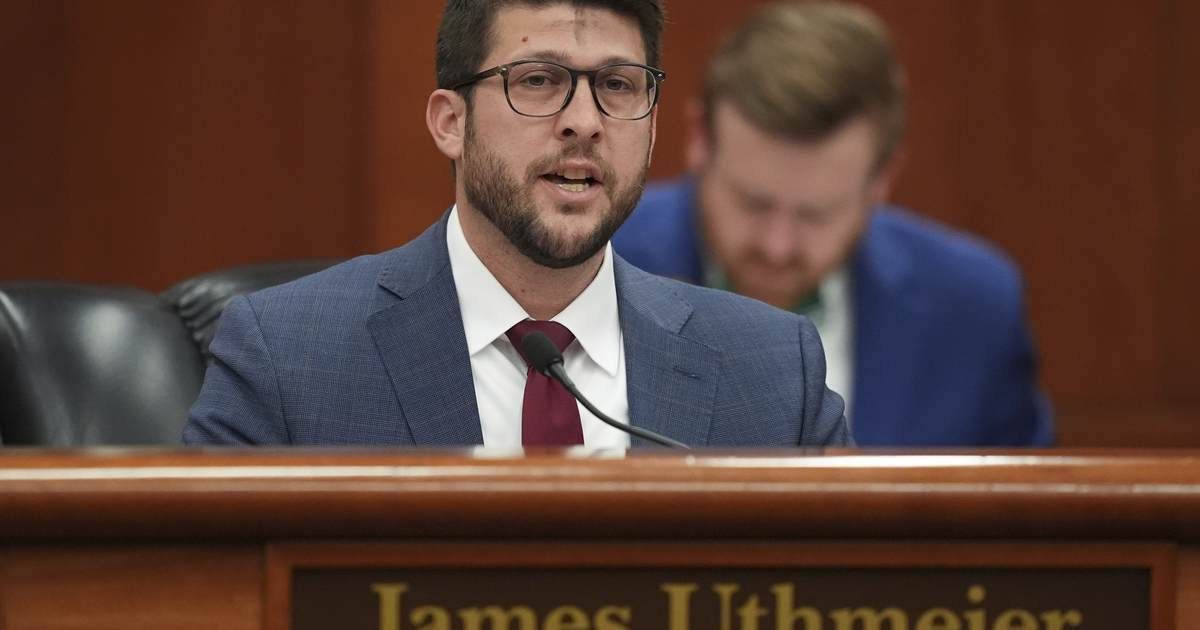
SAF Executive Director Adam Kraut said there is “every reason this case can and should continue.” He expects the Court to side with SAF on Viramontes. He also pointed out that Grant gives the Court a second path to the same question. SAF founder and Executive Vice President Alan M. Gottlieb said the group is disappointed to file the brief at this stage. He called the ban unconstitutional and said the litigation has run five years, which he described as far too long for a law-abiding citizen to lose the right to own one of the most common rifles in the country.
Background
The Supreme Court’s 2008 decision in District of Columbia v. Heller confirmed that the Second Amendment protects an individual right to keep and bear arms, including arms in common use for lawful purposes. Fourteen years later, New York State Rifle & Pistol Association v. Bruen in 2022 replaced the interest-balancing tests many lower courts had used. Under Bruen, the government must justify a firearms restriction by pointing to the nation’s historical tradition of regulation. That shift is why challenges to rifle bans have moved to the front of the docket.
Viramontes has moved slowly. Filed in 2021, it has survived the lower courts while the broader fight over modern sporting rifles played out across the country. Cook County’s ordinance became the template for the statewide Illinois ban, so a ruling on the county law would carry weight for the state. Connecticut’s rifle restrictions date to its 1993 assault weapons law, which lawmakers later expanded after the 2012 Sandy Hook shooting. Grant tests that approach directly, and the Court’s decision to take both cases signals it sees a question worth answering nationwide.
Why It Matters for Gun Owners
Owners in Cook County and across Illinois should watch this case closely. The Illinois statewide ban currently governs the same category of rifles, so any Supreme Court signal on the county ordinance will reach state owners quickly. Connecticut owners face the parallel question in Grant, which matters because the Connecticut law restricts rifles both by name and by feature set. A ruling that addresses feature-based definitions would affect how other states draft their own bans.
Practically, nothing changes on December 2. Oral argument does not strike down a law. The opinion will almost certainly arrive months later, likely near the end of the Court’s term. Until then, owners must keep following current Illinois and Connecticut law to the letter. Keep purchase records, check your state’s transport and storage rules, and avoid any modification that could create a violation under your state’s definitions. Anyone in these states who owns a covered rifle should also confirm their membership and contact information with the groups litigating these cases, since the plaintiffs need active participation and the Court may act quickly once the dust settles.
DownRange Analysis
The mootness fight is a classic dodge. If Viramontes disappears, Cook County keeps its ordinance and the question survives only through Grant. Gun owners should read that as a warning. Jurisdictions facing a bad Supreme Court test case will try to exit on procedure before the justices rule on the merits. SAF’s decision to fight the mootness motion instead of folding is the right move.
Under Bruen, the core question is whether a ban on commonly owned semi-automatic rifles fits the nation’s historical tradition of regulation. Rifles like the AR-15 sit in the same category as the arms the Court protected in Heller. A ban that targets common firearms by appearance or feature set should struggle to show historical analogues. The Court’s choice to hear two cases gives it room to decide the issue in a single, clear opinion.
What should you do right now? Do not change your behavior based on a brief or an oral argument. Stay compliant with Illinois and Connecticut law. Track the Supreme Court docket for both cases. Support the litigation groups that carry these cases through the courts. If the argument goes well, expect the usual rush of dealer and social media chatter about stockpiling. Resist it, and keep your records clean while the justices decide.