SCOTUS Takes Two AR-15 Bans, Turns Away 16 Felon-Gun Appeals
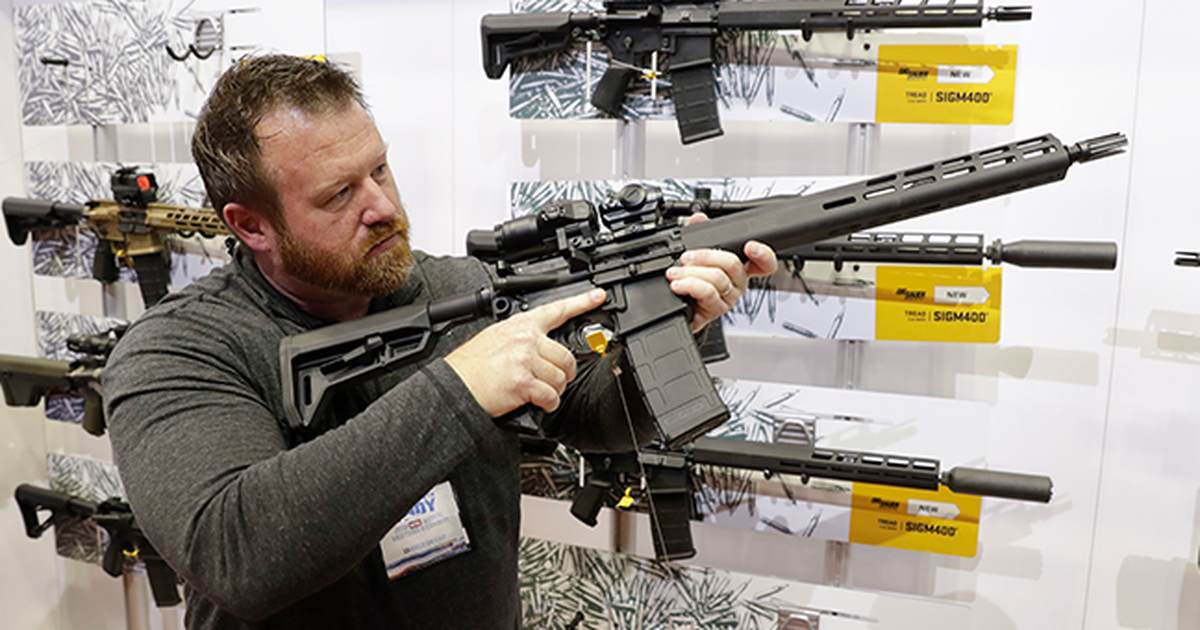
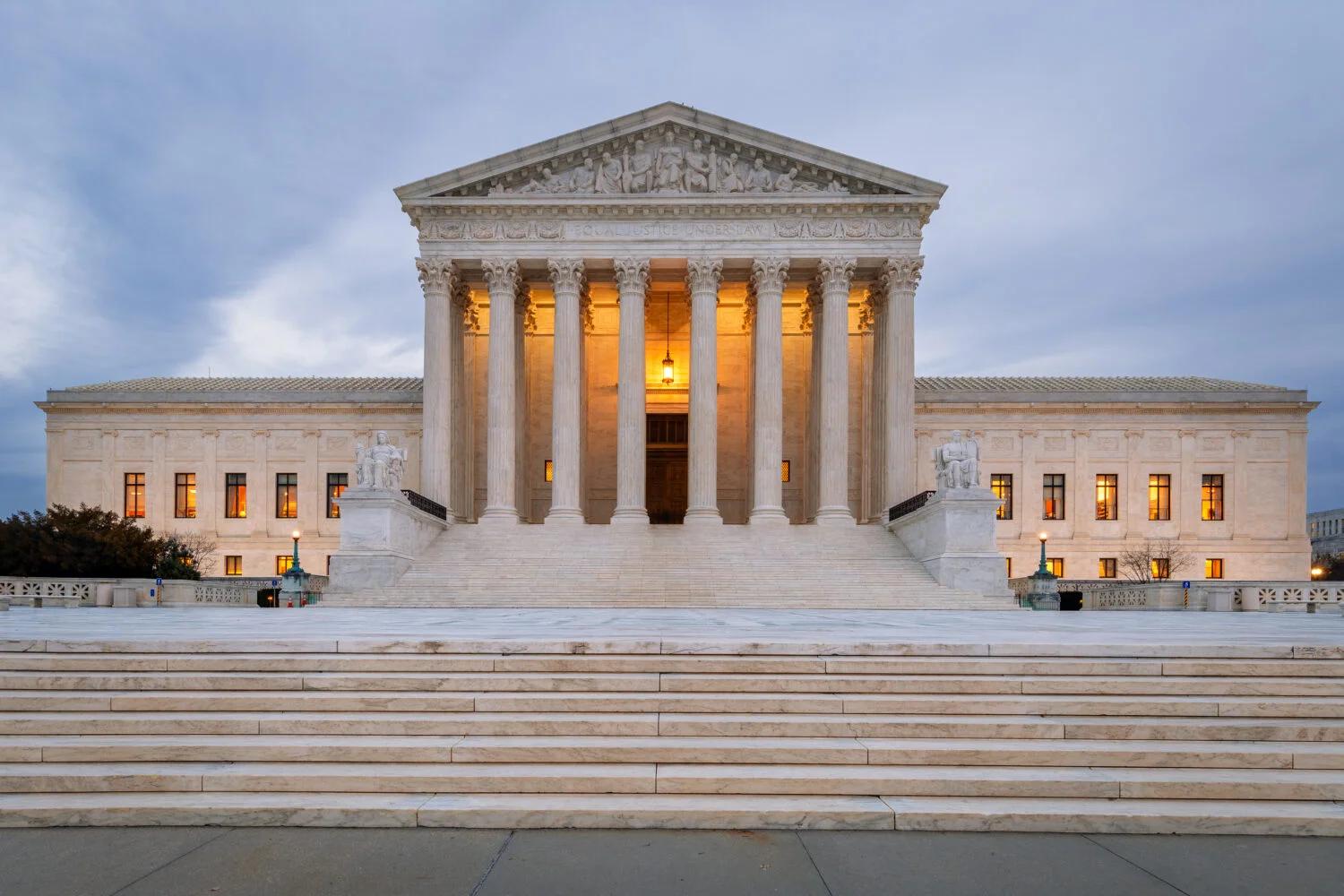
The Supreme Court agreed Monday, November 9, 2026, to hear two pending assault-weapons ban cases, Viramontes and Grant. Oral argument is set for the morning of December 2, 2026. In the same orders list, the Court denied 22 firearms petitions. Sixteen of those denials rejected challenges to 18 U.S.C. § 922(g)(1), the federal felon-in-possession ban, or a state equivalent. The Court's next conference meets Friday, November 13, and the next orders list follows Monday, November 16. Those dates matter more than usual this term, because the justices are sorting a large pile of Second Amendment petitions at once.
Key Details
The orders list and the accompanying tracker from Duke Firearms Law break the action down this way:
- Grants: Viramontes and Grant, two of the pending assault-weapons ban cases. Argument is set for the morning of December 2, 2026.
- Denials: 22 total. Sixteen challenged the felon-in-possession ban under § 922(g)(1) or a state analog.
- Other denials: Six more, covering § 922(n) (receipt of firearms by someone under indictment), § 922(g)(5)(A) (unlawful aliens), state waiting period laws, bans on possession by people with multiple DUI convictions, and bans on possession by domestic violence misdemeanants.
- New petitions: Six filed in the last week. Four challenge § 922(g)(1). Two challenge the National Firearms Act's registration requirement for silencers.
- November 13 conference: 17 firearms cases on the agenda. Eleven involve § 922(g)(1) or a state equivalent. Two challenge state and local restrictions on AR-15s and similar rifles. Others include a "purely intrastate" possession challenge, a process question about the presumptions built into Bruen's two-step test, a request for a self-defense exception to federal possession bans, and a challenge to Maryland's sensitive places law.
- Questions presented: Petitioners ask whether the Second Amendment protects AR-15-platform rifles, whether Massachusetts violates the dormant Commerce Clause, and whether Congress can criminalize possession of a gun that once crossed a state line.
The tracker uses color codes. Green marks new additions. Pink marks cases listed for a conference. Red means denied, yellow means granted, and turquoise marks GVRs (grant, vacate, and remand).
Background
Heller (2008) recognized an individual right to keep and bear arms and tied it to weapons in common use. McDonald (2010) applied that right to the states. Bruen (2022) replaced the old interest-balancing tests with a text-and-history standard, asking whether the government can show a historical analogue for a modern gun law. Rahimi (2024) upheld the firearm ban for people under domestic violence restraining orders, reading Bruen as requiring analogies at a level of generality rather than matching historical laws one for one.
The felon-ban fight grew out of that framework. In 2024, the en banc Third Circuit held in Range v. Attorney General that § 922(g)(1) was unconstitutional as applied to a man whose only disqualifying conviction was a decades-old state food-stamp fraud offense. Other circuits reached different results, and federal appellate courts have split on whether as-applied challenges to § 922(g)(1) should succeed at all. That split is why the flood of petitions keeps coming.
On the rifle side, the Court declined to take up Snope v. Brown, a Maryland assault-weapons case, in June 2025. Justice Kavanaugh wrote separately that the Court should address the issue within a term or two. The grants announced Monday match that prediction.
Why It Matters for Gun Owners
The felon-ban denials hit people with old, nonviolent records hardest. Think a 1990s drug possession plea, a theft conviction from a bad decade, or a DUI-related offense. Under § 922(g)(1), a conviction carrying more than one year of possible imprisonment can bar a person from owning any firearm for life, and that bar reaches ammunition and many firearm-related activities as well. The Court just declined sixteen chances to narrow that reach. Anyone whose record falls in that gray zone should not assume the answer changes soon.
The rifle grants matter to owners in states and cities with assault-weapons bans. Viramontes arose from a Cook County, Illinois, ordinance. Grant comes from a separate challenge to a state restriction. Gun owners in Illinois, Connecticut, Maryland, Massachusetts, New Jersey, New York, and California should watch how the justices frame the question. A ruling on whether AR-15s fall within the Second Amendment's protection would reach far beyond one county.
Watch three dates: the November 13 conference, the November 16 orders list, and the December 2 argument. Those events will tell you whether the Court is building a clear road map or sending mixed signals on felon bans.
DownRange Analysis
The Court's choice to grant the rifle cases while turning away sixteen felon-ban petitions tells you where the justices think the hard questions sit. Bruen asks whether a modern law matches a historical tradition. A ban on AR-15s faces a direct test: were such firearms in common use, and do they count as "arms" the Second Amendment covers? Felon bans look different, since Heller called them presumptively lawful, and Rahimi reinforced that language. The Court may be waiting for a cleaner vehicle before it touches as-applied challenges.
Here is what a gun owner should do right now. Pull your own criminal record and confirm exactly which offenses appear on it. If you have a conviction that might carry more than a year of exposure, talk to a lawyer about state rights restoration, expungement, or a pardon before you buy or possess a firearm. Keep your state's assault-weapons rules in front of you if you live in a restricted jurisdiction. Do not treat December 2 as a finish line. It is the start of a term that will decide what a "lawful arm" means for the next decade.