Supreme Court Rejects Biden Rule on Statutory Grounds—Fight Continues
The Supreme Court dismantled the Biden-Harris administration's "frame or receiver" rule on narrow statutory interpretation grounds, but the decision doesn't settle whether unfinished firearm components should fall under federal regulation. The ruling blocked the ATF's attempt to expand the definition of what counts as a regulated firearm, yet left the core policy question unresolved for future administrations and courts to litigate.
Key Details
What SCOTUS actually ruled: The Court found the ATF lacked clear statutory authority to regulate frames and receivers the way the Biden administration attempted. The decision turned on language interpretation, not constitutional Second Amendment grounds.
What remains in play: Congress could pass legislation defining frames and receivers as firearms. The ATF could attempt a revised rule under different legal reasoning. Lower courts continue hearing related challenges across multiple jurisdictions.
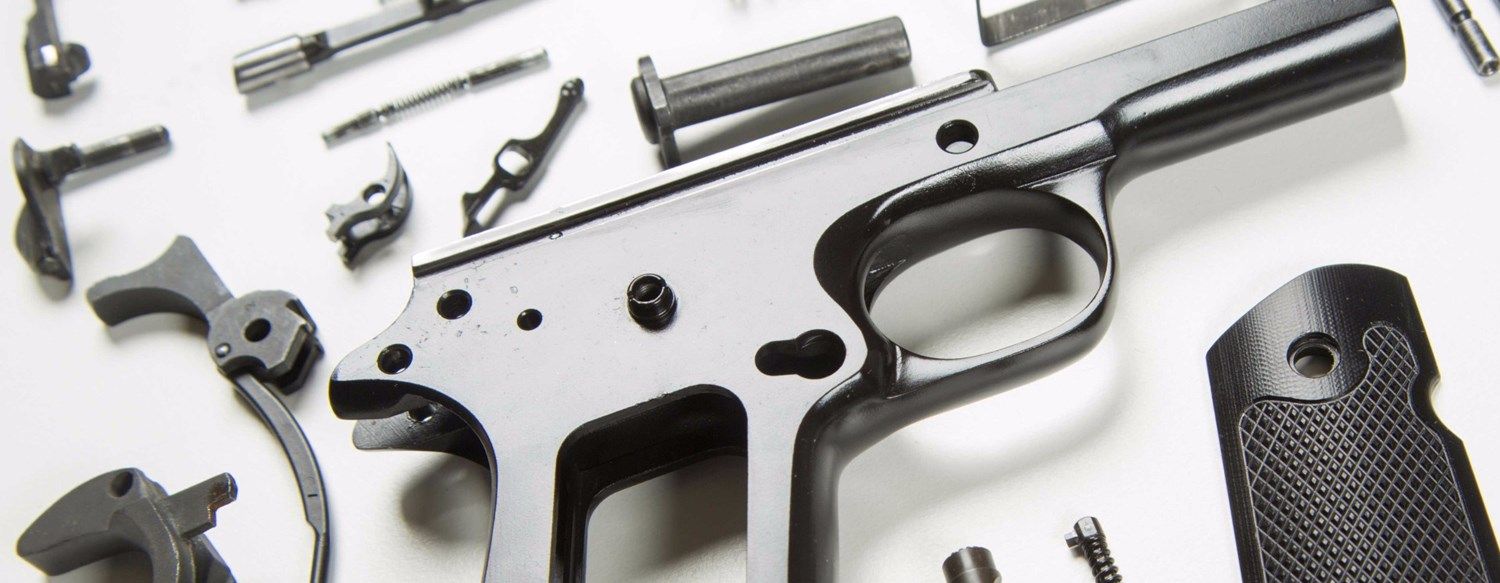
Scope of impact: The ruling affects pending regulations, unfinished 80% lower receivers, and manufactured component kits marketed as non-regulated parts.
Why It Matters for Gun Owners
This isn't a permanent victory for the gun community. SCOTUS punted the question rather than settling it constitutionally. Gun owners who purchase frames, receivers, or 80% lowers today operate in legal limbo—the next administration could attempt regulation through different statutory language, and Congress remains hostile to the 2A community.
Competitive shooters, gunsmiths, and home builders face ongoing uncertainty about parts inventory and project legality. States with strict compliance regimes (New York, California, New Jersey) may attempt their own frame-and-receiver restrictions independently of federal rule. Stay current on state law; a federal ruling doesn't constrain state legislatures.
The market for unregulated receiver blanks and kits will likely remain active during the current regulatory pause, but stockpiling isn't a long-term strategy.
DownRange Analysis
SCOTUS sidestepped the constitutional question entirely. By rejecting the rule on statutory interpretation grounds, the Court left future administrations a roadmap to try again with better legal drafting. This wasn't a Bruen-style Second Amendment victory—it was a technicality.
Congress now controls the outcome. A simple statute defining "frame or receiver" as a firearm would survive this ruling. Anti-2A lawmakers know it. Expect legislative attempts in the next divided Congress.
Gun owners should: Monitor state-level regulation closely. Don't assume federal inaction means permanent protection. Support litigation challenging any revised federal rule on constitutional grounds, not just statutory ones. The real fight—whether the Second Amendment protects the right to manufacture firearms at home—has never reached SCOTUS.