Shots Fired at U.S. Consulate in Toronto—Canada's Gun Control Failed
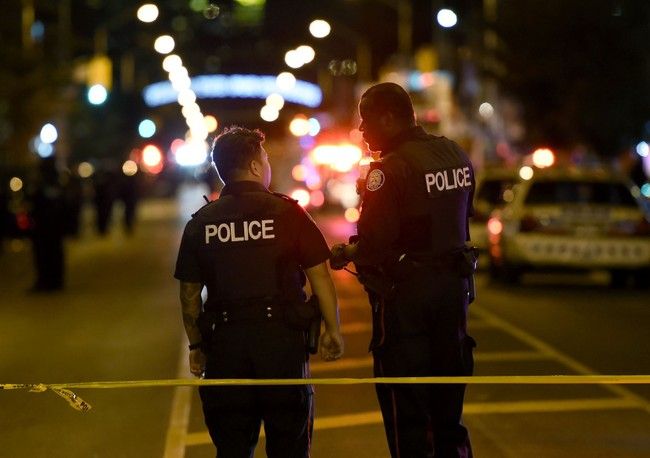
An active shooter fired rounds at the U.S. Consulate in Toronto on July 29, 2026, marking a significant security breach at a diplomatic facility in a nation with some of North America's strictest firearms restrictions. The incident occurred in a jurisdiction where civilian gun ownership is tightly regulated, handgun registration is mandatory, and magazine-fed semi-automatic rifles face severe legal restrictions. The shooting raises hard questions about whether strict gun laws prevent violent crime or simply create soft targets for determined attackers.
Key Details
- Attack occurred at U.S. Consulate, Toronto
- Date: July 29, 2026
- Location: Canada, where handguns require registration and ownership is heavily restricted
- Incident type: Active shooter fired at diplomatic facility
- Canada's regulatory environment: Magazine limits, semi-auto restrictions, universal registration
Why It Matters for Gun Owners
This attack in one of the world's most gun-controlled democracies demolishes the argument that strict regulations eliminate mass violence. American gun owners will recognize this pattern: governments promise that bans, registries, and confiscatory laws protect public safety, yet armed criminals and ideological attackers operate regardless of legality. The Toronto incident proves attackers target soft, defensible locations—like diplomatic facilities in disarmed populations—precisely because victims cannot fight back. For U.S. carriers and permit holders, this reinforces the core 2A principle: criminals ignore laws; only law-abiding citizens are disarmed by them. This case will likely feature prominently in Second Amendment litigation challenging similar restrictions in states like California, New York, and New Jersey.
DownRange Analysis
Canada's regulatory model—strict licensing, mandatory registration, semi-auto bans, and low magazine limits—failed to prevent armed attack on a high-profile target. The shooter either obtained a firearm illegally or through regulatory gaps, proving that restrictions create compliance burden only on lawful owners. Under New York State Rifle & Pistol Assn. v. Bruen (2022), courts must evaluate whether gun laws actually reduce crime through historical analogy. This Toronto attack provides empirical evidence that restrictive regimes don't stop determined attackers. Second Amendment advocates should document this incident for future litigation. The broader message: disarmament promises safety but delivers vulnerability. Armed self-defense remains the only reliable deterrent.