Six million suppressors now registered with ATF
Americans crossed the six-million-unit threshold for registered suppressors. The milestone marks explosive growth in a market that barely existed two decades ago. Every state except California now has residents actively buying and registering sound suppressors through legal channels.
The data reveals who's buying them and why. Military and law enforcement veterans dominate the buyer base, but civilians without combat experience now represent the fastest-growing segment. Most purchasers cite hearing protection as their primary reason, not tactical operations.
Registration numbers tell a clear story. States like Texas, Florida, and Pennsylvania account for nearly one million suppressors combined. Western states show equally strong adoption rates. The Northeast lags only because many states impose outright bans or near-prohibitive restrictions.
Why It Matters for Gun Owners
Suppressors stopped being niche gear. They're now mainstream among serious shooters and daily carriers. Ranges report increased demand from recreational shooters seeking to protect their hearing without electronic earplugs.
The registration data matters because it shapes policy conversations. Anti-gun advocates cite suppressor numbers to argue for tighter restrictions. Pro-gun advocates point to the same data to prove suppressors aren't used for crime—they're used for hearing conservation.
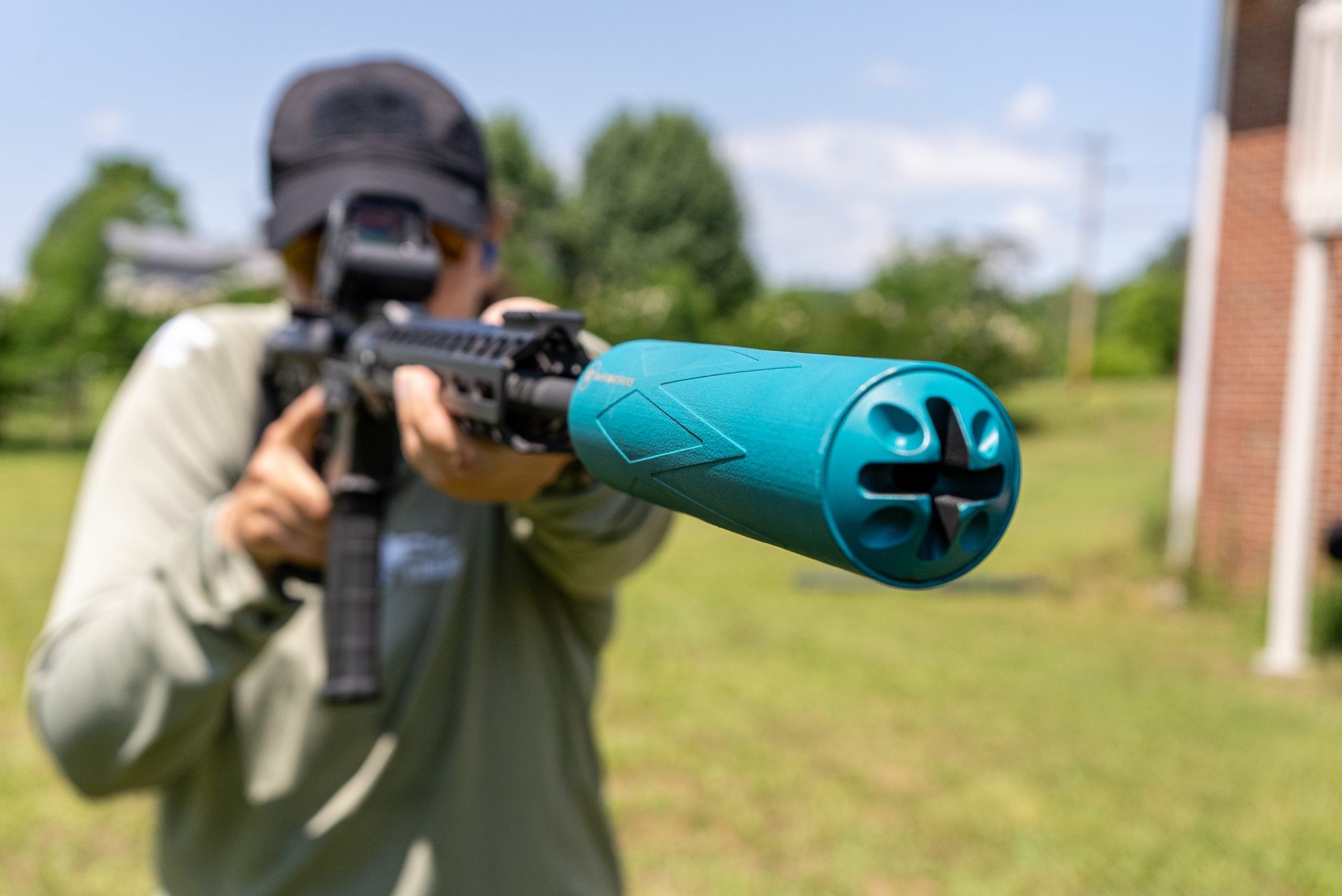
Price pressure has intensified. Competition from manufacturers like SilencerCo, Dead Air, and Rugged Suppressors drove prices down from $400-$600 to the $200-$400 range for quality units. Add the $200 federal tax stamp and total cost still runs under $600 for most popular models.
Availability matters too. Direct-to-consumer sales through dealers mean less waiting. Most modern suppressors attach via quick-detach systems, making them practical for AR-15s, handguns, and bolt rifles.
Background
Suppressors entered the legal gun market slowly. Federal regulations required registration, a $200 tax stamp, and extensive background checks. Most gun owners viewed the process as prohibitively expensive and bureaucratic.
That changed around 2015. Prices dropped as manufacturing techniques improved. Celebrities and shooting influencers openly used and discussed suppressors. The myth that suppressors made guns "silent" faded as shooters learned the truth—they reduce decibel levels by 20-35 dB, not from 160 dB to whisper-quiet.
State-level policy shifts accelerated adoption. Texas, Florida, and Georgia passed legislation making suppressors more accessible. Some states removed restrictions on hunting with suppressed firearms. These changes signaled that suppressors were legitimate tools, not black-market contraband.
The ATF's registration database grew exponentially. Before 2010, suppressors remained a novelty. By 2020, registration filings hit one million annually. The six-million milestone arrived in late 2024.
DownRange Bottom Line
Six million registered suppressors represent a cultural shift. Gun owners now treat hearing protection as essential, not optional. The market will continue expanding as new shooters enter the sport and established shooters add suppressors to their arsenals.
Expect manufacturers to release more innovative designs. Quick-detach technology will become standard. Prices will continue declining as competition intensifies.
For daily carriers and serious shooters, suppressors are no longer luxury items. They're practical hearing-protection equipment backed by six million registrations and counting. The data confirms what shooters already know: suppressors work, they're legal, and they're here to stay.