ATF Shipping Rule Splits Gun Dealers and Buyers for First Time
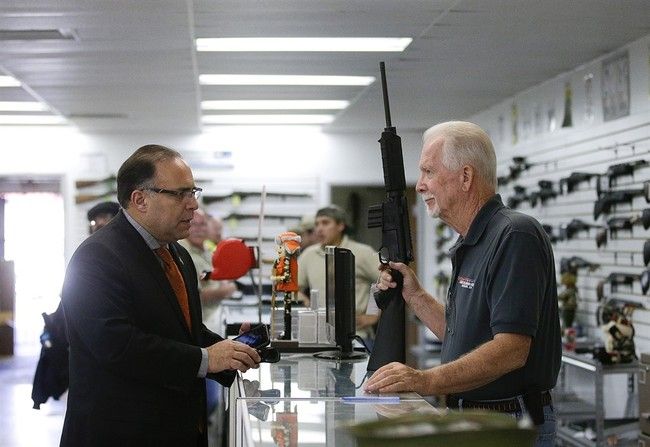
An ATF proposal governing firearm shipments has fractured the normally unified front between gun dealers and buyers—a rare split in an industry that typically stands together against federal overreach. The proposal, published September 2026, mandates new shipping protocols that dealers say will increase costs and complexity, while some gun owners remain undecided on whether the rule actually protects legitimate commerce or simply adds bureaucratic friction.
Key Details
The proposal establishes new requirements for how licensed dealers ship firearms to customers and other dealers. Specific compliance costs have not been disclosed, but dealers across multiple states have signaled concerns about operational burden. The rule applies nationwide to all FFL holders and represents one of the few ATF shipping-related actions that has generated dealer opposition without immediate buyer support. No implementation date has been announced, but the comment period remains open.
Why It Matters for Gun Owners
If you buy online and rely on dealer-to-dealer or dealer-to-customer shipping, this rule will affect your purchase timeline and potentially your cost. Dealers absorbing compliance expenses often pass them down as shipping fees or higher prices. The split between dealers and buyers is significant because it suggests the rule may impose real costs without clear safety benefits—a sign that gun owners should scrutinize what the ATF actually requires versus what dealers claim is necessary. Monitor your local FFL's shipping policies and ask directly how this rule impacts their fees and delivery windows.
DownRange Analysis
Dealer opposition to an ATF rule without automatic buyer backlash suggests this proposal may lack the obvious infringement angle that typically unites the gun community. That's a warning flag. The ATF's track record is interference, but this rule appears designed as logistical control rather than outright prohibition. Gun owners should demand specifics: What exactly does compliance require? Does it delay shipments? Does it create data collection points the ATF can exploit later? Until dealers and buyers align on answers, assume this rule will pass with minimal resistance—and watch for phase-two restrictions built on the foundation it creates.