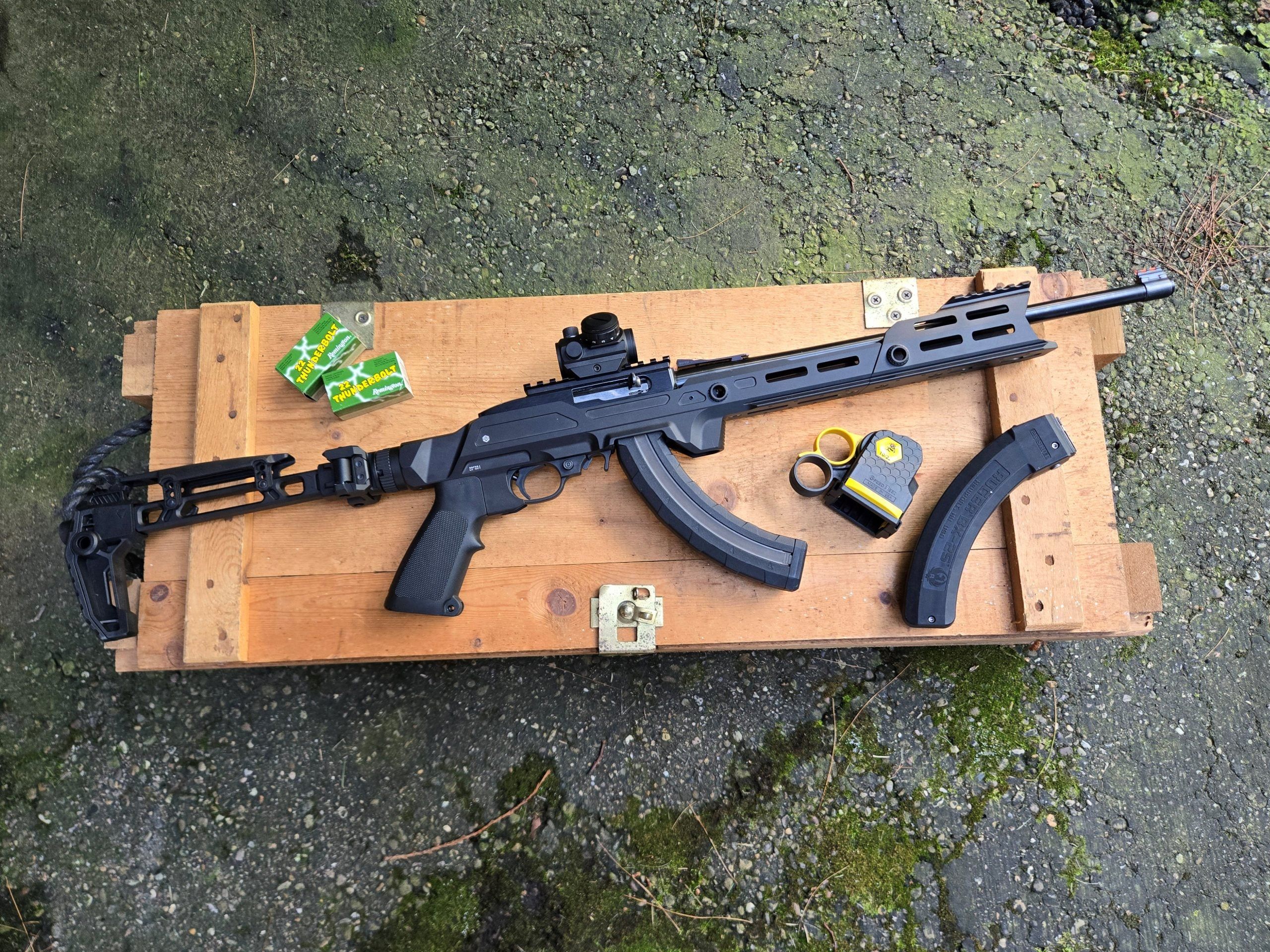
Strike Industries Releases Modular Aluminum Chassis for 10/22 Receivers
Strike Industries dropped a new aluminum chassis system designed specifically for Ruger 10/22 receivers. The modular design ships with multiple stock options and expands mounting real estate beyond what factory 10/22s offer. Shooters can now configure their rimfire platform for precision work, tactical training, or casual plinking without replacing the receiver itself.
The chassis arrives in raw aluminum, letting owners finish it to match their preferred aesthetic. Strike engineered the system around standard 10/22 trigger group and firing pin assemblies, meaning installation requires basic gunsmithing knowledge but no specialized tools. The modular approach means you swap stocks, adjust length of pull, and add optic mounts without permanent modifications to the receiver.
Why It Matters for Gun Owners
The 10/22 platform has dominated rimfire markets for decades. Ruger's design is inherently accurate, supremely reliable, and costs less than competitive systems. But factory ergonomics don't suit everyone—shorter stocks bind larger hands, fixed rails limit optic placement, and minimal mounting options frustrate shooters wanting to add modern accessories.
Strike's chassis solves those problems without receiver replacement. A shooter can start with a basic $200 10/22 receiver and build it into something resembling a precision rifle or compact trainer for under $600 total. That's significantly cheaper than buying a precision-built rimfire rifle outright.
For daily carriers and defensive shooters, this matters less. But for trainers running student courses, hunters, and sport shooters, the 10/22 remains one of the most economical platforms for building shooting skills. Cheaper ammo costs mean more rounds downrange. More shots at distance develop better fundamentals than expensive centerfire practice.
The modular stock system addresses real complaints. Factory 10/22 ergonomics work fine for some shooters and feel cramped for others. Adjustable length-of-pull ensures proper cheek weld and trigger reach. Additional accessory mounts mean you're not jury-rigging solutions with duct tape and optimism.
Background
Strike Industries built a reputation manufacturing precision parts for AR platform rifles. The company produces charging handle kits, handguard solutions, and muzzle devices in both .223 and pistol calibers. Their shift into 10/22 accessories shows they recognize demand from shooters wanting performance upgrades across caliber categories.
The 10/22 aftermarket exploded over the past decade. Dozens of companies now offer upgraded triggers, barrels, stocks, and rail systems. Some modifications actually improve function. Others amount to cosmetic changes that don't move the needle on accuracy or reliability.
Strike's aluminum chassis sits in the functional camp. The company engineered it around proven design principles. Weight distribution, recoil management, and mounting rigidity all influence accuracy. A solid chassis foundation means every other upgrade—trigger, barrel, optic—performs at intended specifications.
DownRange Bottom Line
Strike Industries' modular chassis opens genuine possibilities for 10/22 owners wanting modern ergonomics without full rifle replacement. The aluminum construction costs more than polymer alternatives but promises longer lifespan and better recoil management during extended sessions.
This system matters most to shooters building training rifles, youth platforms, or dedicated practice guns. It costs less than buying purpose-built alternatives and delivers comparable performance. The modular approach means your investment adapts as your needs change.
The 10/22 will never replace centerfire rifles for serious duty work. But for building affordable, reliable trainers, it remains unmatched. Strike's chassis removes one significant limitation from Ruger's already-solid platform.