Texas Officer Faces Triple Murder Charge After Mexico Incident
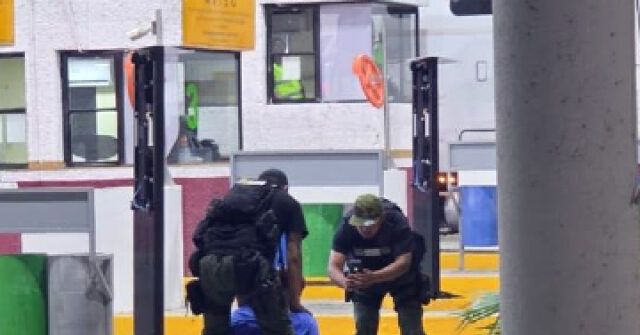
Mexican law enforcement arrested a Texas police officer on suspicion of shooting four individuals, killing three of them, and kidnapping his own son before attempting to re-enter the United States. The incident occurred in Mexico and was resolved by Mexican authorities. The officer's employment status with his Texas department and the specific circumstances surrounding the shootings remain under investigation.
Key Details
- Officer arrested by Mexican authorities for three homicides
- Four total shooting victims; one survived
- Son was kidnapped during the incident
- Suspect attempted to cross border back into Texas
- Case handled by Mexican law enforcement
Why It Matters for Gun Owners
This case highlights the legal and jurisdictional complexity when armed American law enforcement officers commit serious crimes across international borders. Gun owners should understand that carrying credentials—whether law enforcement or civilian—provides no legal immunity when crossing into foreign jurisdictions. Mexico maintains strict weapons laws and prosecutes firearm crimes aggressively. Americans who carry firearms and travel internationally face significant legal exposure if they cross state or national boundaries with weapons. This incident underscores why verifying local laws before traveling with firearms across borders is non-negotiable, even for armed professionals.
DownRange Analysis
Law enforcement badge and training do not exempt officers from criminal prosecution, particularly in foreign nations with strict weapons statutes. This case demonstrates that Mexico's judicial system will prosecute armed offenders regardless of professional status. For American gun owners, the lesson is direct: international travel with firearms requires advance legal consultation. Mexican authorities do not recognize U.S. constitutional protections or professional credentials. Gun owners crossing borders must understand that local weapons laws supersede any domestic authority or training credentials. Border incidents involving armed Americans generate significant diplomatic and legal complications—consular assistance often comes too late to prevent prosecution.