Border Smuggler Hauled Four Pipe Bombs and an AR-Style Rifle
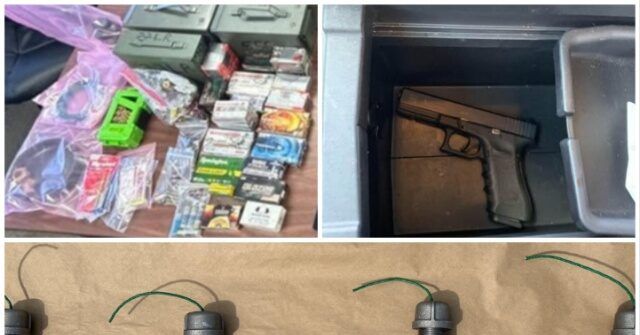
Border Patrol agents arrested Alec Ray Foss, 28, of Corpus Christi, on October 6 at Port Mansfield, Texas. They stopped the speedboat he was piloting. Three illegal aliens rode with him. So did an AR-style rifle with a loaded drum magazine, a handgun, and four pipe bombs. Federal prosecutors filed a criminal complaint with the U.S. Attorney's Office for the Southern District of Texas. Foss faces a charge of transporting illegal aliens. The ATF is investigating the explosives separately.
Key Details
The complaint lays out a timeline that moved fast. Port Mansfield police passed a tip to Border Patrol about three people who boarded a speedboat-style vessel after leaving a nearby vehicle. The boat left the docks and headed north on the Intracoastal Waterway. A law enforcement aircraft tracked it about 20 miles south of Corpus Christi. Agents recognized the boat as one Foss had run before, tied to an ongoing investigation. Within hours of the first tip, they found it at Bluff Landing.
- Foss tried to unhitch the boat from its trailer and start the engine as agents approached. Agents ordered him off the boat. He complied and was detained.
- After waiving his rights, Foss told agents three people were aboard.
- Agents found three men, later confirmed to be in the country illegally, hidden in the cabin and an under-seat compartment.
- The passengers were two Ecuadorian citizens and one Guatemalan national.
- Foss allegedly told investigators he expected $3,000 in cash per passenger after delivery to Houston.
- A detention memo says Foss was arrested in 2023 by Zapata County deputies after a vehicle stop with three illegal aliens hidden in the seat and trunk area. Prosecutors dropped that case.
- On October 8, ATF served a search warrant at Foss's home. Agents seized five firearms, 3,500 rounds of ammunition, and materials used to build pipe bombs.
- If convicted of transporting illegal aliens with life endangerment, Foss faces up to 20 years in federal prison.
Background
Alien smuggling by water along the Texas coast is not new. Smugglers use shallow-draft boats on the Intracoastal Waterway because patrols cover roads and highways more heavily than the bays. Federal law at 8 U.S.C. 1324 makes transporting people who entered or remain in the country illegally a felony. The statute carries enhanced penalties when the smuggling puts lives at risk, which is the basis for the life-endangerment exposure in this case.
The explosives matter separately. Under the National Firearms Act, a pipe bomb falls within the statutory definition of a destructive device. Possessing an unregistered destructive device is a federal felony. Congress wrote that framework into law decades ago, and it covers devices like these whether or not the possessor has a criminal record. ATF handles these cases through its explosives and firearms enforcement units, which is why the agency is working the pipe bomb side of this case while prosecutors handle the smuggling charge. The complaint does not say whether Foss had any NFA registration, and nothing in the source changes the federal definition.
Why It Matters for Gun Owners
Lawful owners should separate this case from ordinary carry and home defense. A rifle and a pistol are not what turned this arrest into a federal case. Four explosive devices and a smuggling operation did. Still, the story will reach people who never touched a destructive device. Expect lawmakers and commentators to cite it when they argue for tighter rules on rifles, magazines, or private firearm sales.
If you own firearms in border counties like Willacy, Nueces, or Kenedy, keep your paperwork clean. Know where your storage and transport fall under state and federal rules. If you ever come across unfamiliar explosive devices, don't touch them. Clear the area and call law enforcement. The same applies to anyone who builds or stores homemade explosives. Gunsmiths and hobbyists who work near that line should review NFA definitions before they start a project, not after.
DownRange Analysis
Under New York State Rifle & Pistol Association v. Bruen, gun owners get protection for arms in common use for lawful purposes. Pipe bombs are not in that category. Courts have never treated improvised explosives as protected arms, and the NFA's destructive device definition has survived constitutional challenges for decades. This case does not test the Second Amendment. It tests whether federal prosecutors can prove smuggling and explosives charges. They appear to have strong evidence.
The practical lesson is simple. Don't let this story become an argument for restricting the rifle and handgun that were found alongside the bombs. Those are the guns most owners own. Push back when lawmakers treat a smuggler's arsenal as proof that ordinary owners are the problem. Right now, the best thing you can do is audit your own records, confirm your storage meets your state's requirements, and stay clear of anything that looks like homemade explosives.