DOJ Won't Appeal: NFA Registration Lost Its Constitutional Basis
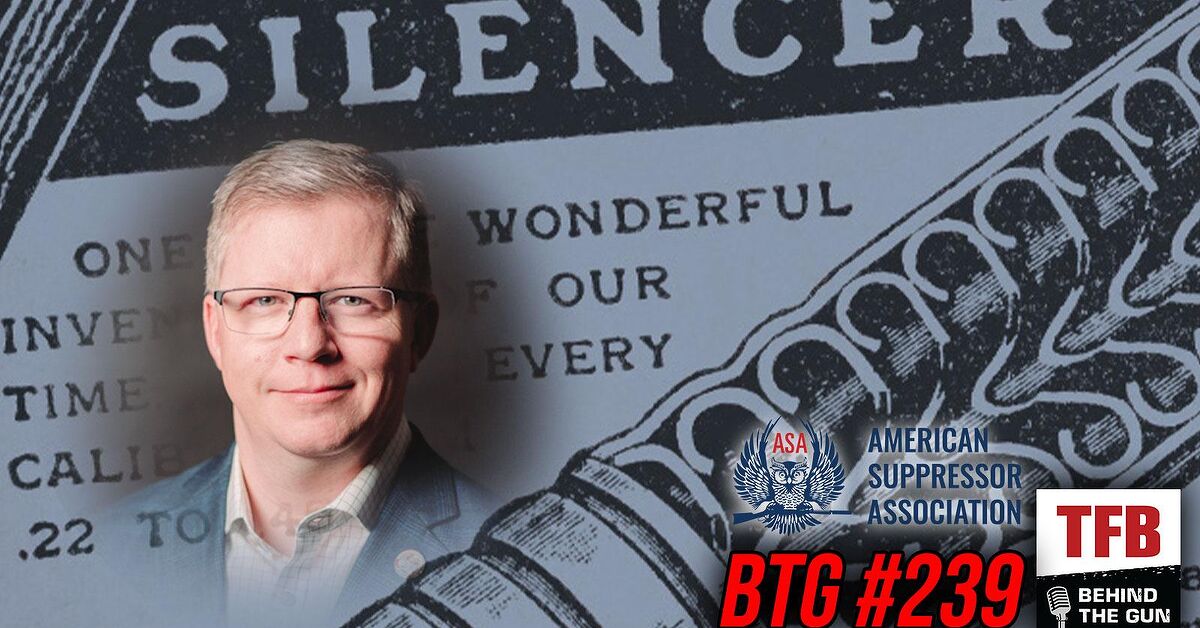
A federal judge in the Northern District of Texas ruled on August 5 that the National Firearms Act's registration and approval requirements for suppressors, short-barreled rifles, and short-barreled shotguns no longer rest on a constitutional foundation. The reason is simple. Congress cut the NFA transfer tax on those items to $0, and the registration system existed to collect that tax. The Justice Department has since confirmed it will not appeal. The case is Silencer Shop Foundation v. ATF. Owen Miller, Vice President of the American Suppressor Association, walked through the ruling on TFB's Behind the Gun #239. His breakdown is the clearest current map of what the decision covers and what it leaves alone.
Key Details
The core facts are short, and they matter:
- August 5, 2026: The Northern District of Texas issues the ruling in Silencer Shop Foundation v. ATF.
- The tax change: The One Big Beautiful Bill Act reduced the NFA tax on suppressors, SBRs, and SBSs to $0.
- The legal holding: The court found the registration system built to collect that tax no longer has a constitutional basis for those items.
- Appeal status: DOJ has confirmed it will not appeal, roughly two months after the ruling.
- Untouched: Machine guns and state suppressor bans fall outside the decision.
- Pending: ATF has not yet issued final guidance on how transfers should proceed under the ruling.
- Your guest: Owen Miller joined the ASA in 2016 after more than a decade running compliance at Gemtech.
The episode addresses who the injunction protects and who it does not. That scope question determines whether a given buyer, manufacturer, or dealer can act on the ruling today. Read the full interview before you assume your situation is covered.
Background
Congress passed the National Firearms Act in 1934 and set a $200 transfer tax on machine guns, suppressors, short-barreled rifles, and short-barreled shotguns. That $200 figure stayed the same for decades, and it was designed to make these items expensive enough to discourage casual ownership. Registration came with the tax. Every item had to be recorded in the National Firearms Registration and Transfer Record, and every transfer required an ATF-approved Form 4 before an FFL could hand over the item.
The 1986 Hughes Amendment later froze the machine gun registry for civilians, which is why new machine guns for private ownership remain effectively unavailable. The Supreme Court's 2022 decision in New York State Rifle & Pistol Association v. Bruen added a new test for gun laws. The government must show that a regulation fits within the nation's historical tradition of firearm regulation. Suppressor and SBR owners began arguing that the registration scheme only made sense as a tax collection tool. When Congress removed the tax, that justification disappeared. The Texas court agreed.
Why It Matters for Gun Owners
Anyone who owns, buys, or plans to build a suppressor, SBR, or SBS should pay attention. The ruling targets the paperwork layer, which is the part of the process that adds the most time. Buyers who have waited months for approval have the most to gain, but only if the injunction reaches them. Manufacturers who ship suppressors to dealers have a similar stake. FFLs face the hardest near-term question, because they must know whether to keep processing Form 4s under existing rules until ATF publishes updated guidance.
State law still controls the outcome in many places. Several states ban private suppressor possession outright, and a federal ruling does not override those bans. Check your state statutes before you buy anything. Machine owners should not read this decision as relief for them. The court did not touch the machine gun registry or the Hughes Amendment. Keep your receipts, approval letters, and transfer records organized, because you will need them whichever way ATF guidance lands. Watch the ASA's Texas NFA case page for updates on the scope of the injunction.
DownRange Analysis
The Texas court's logic is strong. Under Bruen, the government needs historical analogues for a modern regulation. A registry built to collect a tax has no clear analogue once the tax is gone. The government could argue that registration serves law enforcement, but that argument would need to clear the Bruen bar on its own, and it would face a tough fight. DOJ's decision not to appeal removes the most likely path to a higher-court ruling soon. That leaves the injunction as the working rule for covered parties.
The market will respond fast. Lower friction means more buyers, more builds, and more competition among manufacturers. Dealers will feel the pressure first. Our advice is simple. Do not transfer or buy based on a headline or a podcast summary. Read the actual order, confirm whether you fall inside its protection, check your state's rules, and document everything. Wait for ATF's written guidance before you change how you operate. Gun owners who move carefully will benefit most when the rules settle.