PSA's Branding Director Came Up Through Compliance, Not Marketing
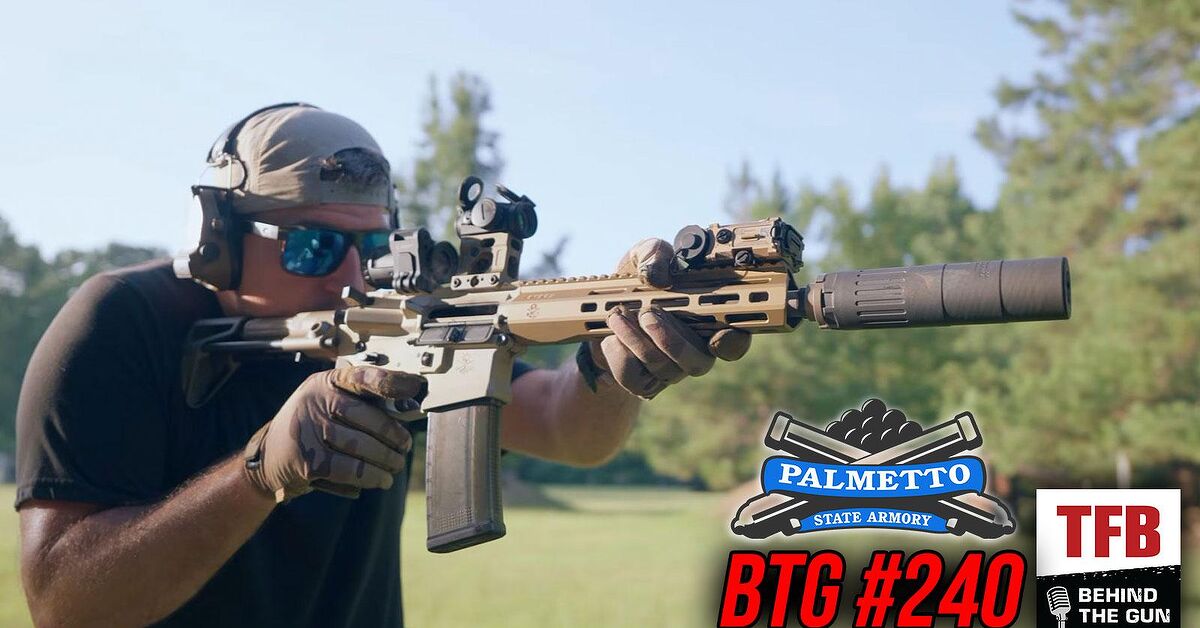
Cameron Tapler, Director of Branding and Product Management at Palmetto State Armory, sat down for episode 240 of The Firearm Blog's Behind the Gun podcast, published October 22, 2026. Tapler started at PSA nearly a decade ago as a manufacturing compliance manager. He later took over compliance for every federal firearms license the company holds. Today he helps decide what PSA builds and how it reaches shooters. The conversation covers his career path, PSA's growth since its 2008 founding in South Carolina, and what it takes to turn a design into a production rifle.
Key Details
The episode gives a look at a company that releases more new guns in a year than most manufacturers. Host coverage and the episode summary include these points:
- Guest: Cameron Tapler, Director of Branding and Product Management, Palmetto State Armory
- Episode: TFB Behind the Gun #240, published Thursday, October 22, 2026
- Career path: Manufacturing compliance manager, then corporate compliance lead over all PSA FFLs, then branding and product development
- Founding: 2008, South Carolina
- Catalog: ARs, AKs, and a wider lineup of platforms
- Discussion topics: PSA's growth, the concept-to-production process, and how the regulatory side shapes product decisions
The episode also carries sponsor reads. One promotes a silencer purchase, claiming the process is the easiest it has ever been. A second spotlights the Kimber R7 Mako, a polymer-frame, striker-fired micro-compact with 14 rounds total capacity. A third offers a $50 discount on the VNSH holster, which normally lists at $130, through vnsh.com/behindthegun. These are sponsor claims, not findings from the interview.
Background
Palmetto State Armory built its reputation on volume. It has sold AR-pattern rifles and AK-pattern rifles to a mass market since its 2008 founding in South Carolina. Any company that manufactures firearms in the United States must hold a federal firearms license issued by ATF under the Gun Control Act of 1968. Manufacturing that license set, often across multiple facilities and product lines, is a full-time compliance job. Tapler's path from the manufacturing floor to oversight of every FFL reflects that reality. It also explains why a branding director at a gun company would speak with authority about engineering decisions.
The sponsor silencer claim touches a different regulatory history. Suppressors fall under the National Firearms Act of 1934, which required a $200 tax stamp for decades. Federal law changed that cost in 2025. The One Big Beautiful Bill Act set the NFA tax on suppressors to $0 effective January 1, 2026. Paperwork and approval times still vary, so the ad's ease claim deserves a check against current ATF processing data.
Why It Matters for Gun Owners
If you buy PSA products, the compliance structure behind them affects you. Every serialized frame or receiver needs a licensed manufacturer, correct markings, and proper records. A company that treats FFL oversight as a core function is less likely to ship a paperwork problem to your door. That matters most for buyers of new models, where early production runs sometimes arrive before the paperwork catches up.
Gun owners who buy suppressors should watch the process closely. The NFA transfer path still runs through ATF, and approval timelines have swung widely. Confirm your dealer's current requirements before you pay. If you are shopping new designs, read the spec sheet and check the manufacturer's stated capacities and features against your own needs. A sponsor spot is marketing, not verification.
Watch PSA's release cadence over the next year. A manufacturer that launches many new guns annually depends on fast design-to-production cycles. Those cycles put pressure on quality control and documentation. Track early reviews and owner reports for any model that ships in the first months of production.
DownRange Analysis
This episode is an industry interview. It contains no court ruling, no bill, and no regulatory change. Bruen does not apply here. The New York State Rifle and Pistol Association v. Bruen decision in 2022 requires courts to test gun laws against historical tradition. Nothing in this interview tests a law. Its value is practical. It shows how a high-volume manufacturer runs compliance from the inside, and that insight is rare. Most consumers never see the licensing, recordkeeping, and regulatory work behind a rifle on a dealer shelf.
The market takeaway is simple. Brands that treat compliance as a product function, not an afterthought, earn more trust with buyers who read the fine print. Watch for PSA's next releases and compare them with competing platforms on price, parts compatibility, and warranty terms. What should you do right now? Listen to the episode for the production process details. If you plan to buy a suppressor, verify the current NFA process with your dealer before committing funds. Keep your own records, and treat sponsor claims as claims until you confirm them.