HUSH Holsters Gets Real-World Test at FAST Idaho Match
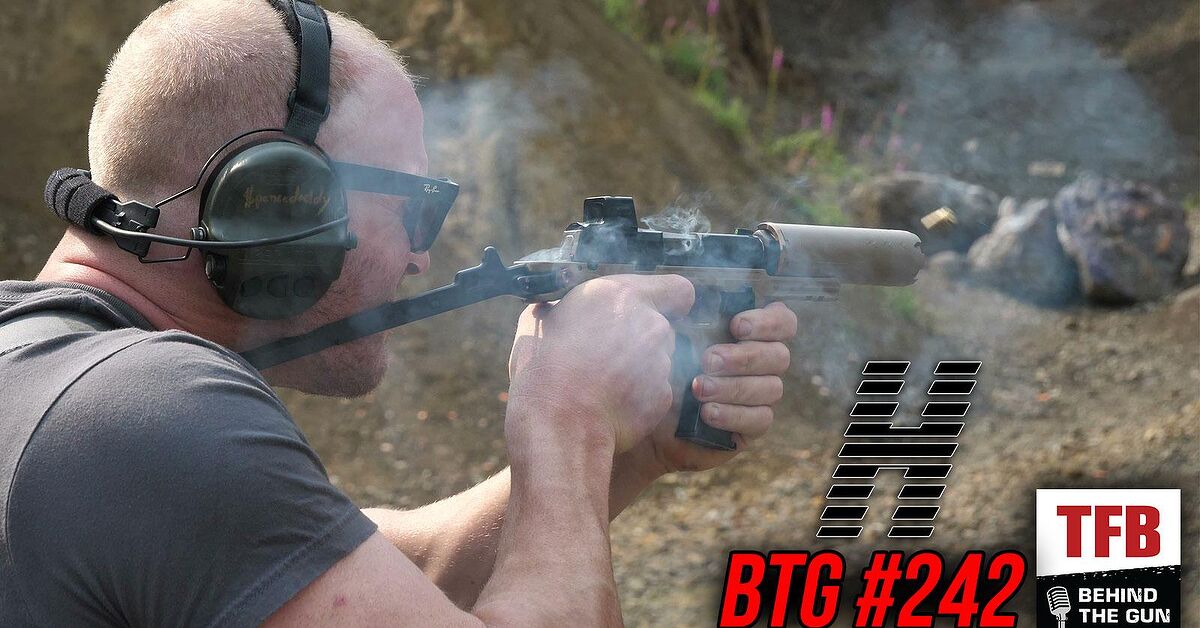
Spencer from HUSH Holsters and TFB's Behind the Gun host shot the same match, and they now compare notes on it. The match was FAST Idaho, held earlier this month at Parma Rod and Gun Club in Parma, Idaho. The conversation runs as Episode #242 of Behind the Gun on The Firearm Blog. Beyond the event itself, the episode gives an update on how Spencer's own HUSH holster has performed since he started using it at several harder matches. A match report from a holster maker's own gear carries an obvious bias, so treat the episode as a field report rather than an independent test. The useful part is the wear and retention data that comes from hundreds of rounds under match stress.
Key Details
The episode and its sources include the following points:
- Episode: Behind the Gun #242, published November 5, 2026, on The Firearm Blog.
- Guest: Spencer from HUSH Holsters.
- Event: FAST Idaho, Parma Rod and Gun Club, Idaho.
- Focus: A match review from both shooters, plus an update on Spencer's HUSH holster after use at several tougher matches.
- Prior episode: Behind the Gun #187, which covered HUSH Holsters and the SKS renaissance.
- Distribution: The show is on The Firearm Blog, Apple Podcasts, and Spotify.
The source does not publish HUSH holster pricing, retention specs, or match scores. It also omits the match format and the shooters' results. Those gaps matter if you want to compare the holster against competitors. The episode is audio-first, so the full discussion sits behind the podcast links. The sponsor spots in the same post carry their own offers. Kimber's R7 Mako is a polymer-frame, striker-fired micro-compact with 14 rounds total capacity. VNSH lists its holster at $130 retail and offers a $50 discount through a Behind the Gun link. A separate sponsor ad argues that buying a suppressor is now easier than ever.
Background
HUSH Holsters has appeared on Behind the Gun before. Episode #187 covered the company alongside the SKS, a rifle that has seen a major resurgence in aftermarket support and collector interest. Returning to the brand for a match review shows the company is moving from product talk into competition use. Holsters take more abuse than most gear in a practical match. Drawing from concealment, moving, shooting from unusual positions, and reholstering hundreds of times exposes weak points fast. Retention, cant, and wear around the mouth and clip points show up quickly.
The suppressor claim in the sponsor spot connects to a federal policy change. The 2025 reconciliation law, commonly called the One Big Beautiful Bill Act, reduced the $200 NFA tax on suppressors to $0 for transfers beginning January 1, 2026. Buyers still must submit ATF Form 4 and wait for approval, so the process is quicker in cost but not instant. The tax change removed the largest financial barrier, which the ad describes as the reason silencers are now easier to buy. Processing times and paperwork remain the real variables.
Why It Matters for Gun Owners
Competition shooters who carry daily face the same problem a match exposes: a holster must retain a pistol under movement and still fit comfortably all day. Concealed carry owners in permitless states such as Idaho should pay attention to how holsters handle that demand. Idaho recognizes permitless carry for eligible adults, which means more people carry without a training prompt or a holster check. That puts more weight on a holster's construction. Owners of compact polymer pistols, like the Kimber R7 Mako or similar micro-compacts, should check their holster's fit against slide and grip profile. A holster that works for a full-size gun may not hold a micro-compact snugly. The episode's long-term wear update matters because the difference between a holster that breaks in and one that loosens usually only appears after months of use. Anyone planning to buy a HUSH holster should find out what hardware and materials the company uses, how it handles retention adjustments, and what warranty it offers. The source does not answer those questions, so check the company directly before you spend the money.
DownRange Analysis
A holster is not a Second Amendment question in the courtroom sense. No court has ruled on a holster design, and no statute in this episode changes anyone's right to carry. Under Bruen, the test asks whether a regulation fits the nation's historical tradition of firearm regulation. A holster maker sells equipment, not a regulated activity, so this review sits outside that analysis. The real legal question for most carriers is where they may carry, not how they attach the gun. From a market standpoint, match-tested holsters sell on proof. Spencer's update after several harder matches is the kind of field data that moves buyers more than a glossy ad. Watch for it in the full episode, and weigh it against the holster's price and warranty. If you already own a HUSH holster, inspect the retention and mouth wear after your next few matches and write down what you find. If you plan to carry more, compare any holster against your exact pistol before you commit. For suppressor buyers, start the eForms paperwork now, because the tax is gone but the wait is still the wait.