Knockdown Power Is a Myth, Says Outdoor Life's John B. Snow
John B. Snow, Outdoor Life's shooting editor, says the idea of knockdown power in a deer cartridge is a misunderstanding of terminal ballistics. Snow, who lives in Bozeman, Montana, and competes in precision rifle matches, sat down with Outdoor Life editors in a discussion published October 19, 2026. The conversation targets the myths that shape deer rifle debates: the 6.5 Creedmoor's reputation, muzzle velocity as a measure of performance, shooting through brush, and whether modern rifles beat the old ones. Snow's core point is blunt. A bullet does not knock an animal off its feet. Shot placement and bullet behavior decide the outcome.
Key Details
The discussion covers a specific set of claims, and each one carries numbers or names worth tracking:
- Two killing mechanisms: Snow says bullets kill either by disrupting the central nervous system, meaning a hit to the spine or brain, or through exsanguination from tissue damage and blood loss.
- 6.5 Creedmoor: Snow calls it a balanced, accurate round with relatively mild recoil. He has hunted with it worldwide and says it is more than adequate for whitetail.
- Giant eland: Snow says he has taken a giant eland, which can weigh up to 2,000 pounds, with a 6.5 Creedmoor.
- Velocity: Snow argues that muzzle speed alone is a weak measure of how a cartridge performs in the field.
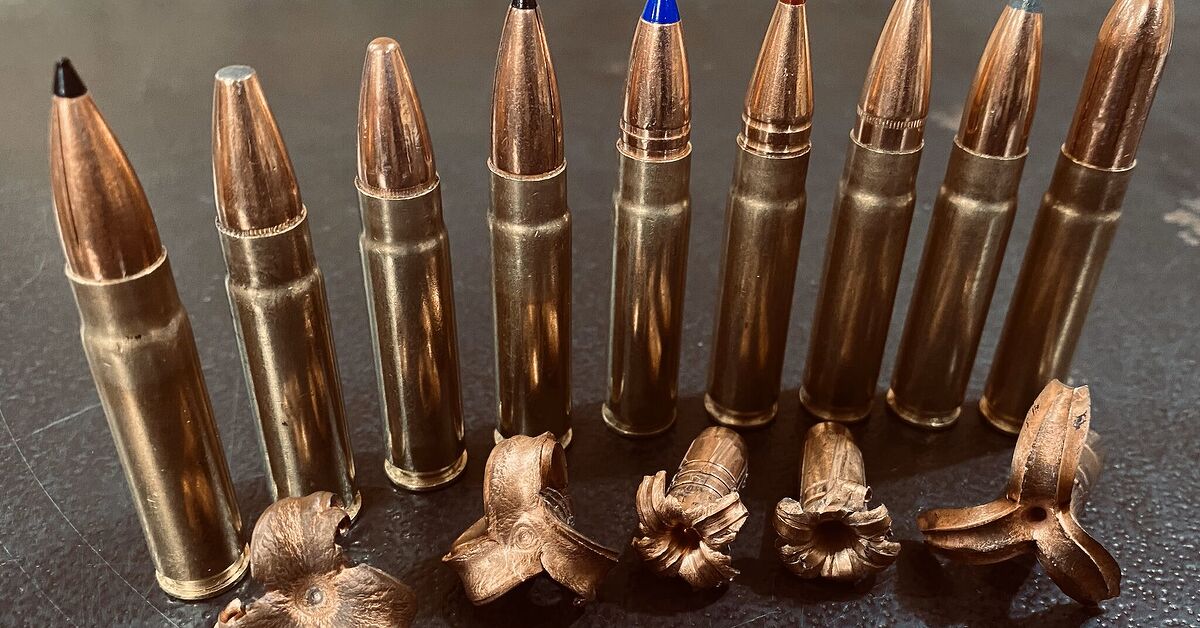
- Brush testing: OL staff writer Tyler Freel tested brush-busting bullets. The .45-70 Govt. performed best at pushing through brush. Mono-metal copper bullets, including Black Hills HoneyBadger, deflected the least.
- Brush advice: Snow says hunters should avoid shooting through brush except in rare cases, such as a follow-up shot. He would not take even an initial shot through brush with a .45-70.
- Remington 700: Snow says older production rifles had poor head-spacing control, which forced gunsmiths to fit bolts by trial and error.
Background
The 6.5 Creedmoor has a short history for a cartridge with so much debate around it. Hornady introduced it in 2007, and it was designed with long-range target shooting in mind. Its appeal came from high ballistic coefficient bullets and a short, efficient case, which made it a favorite in precision matches. Hunters adopted it quickly once they saw that it shot flat and recoiled gently in a standard hunting rifle. That popularity drew fire from traditionalists who said it was a target cartridge that did not belong in the woods.
The 'knockdown power' idea is much older. It lives in hunting camp talk and in pistol marketing, where ads promised that a bigger bullet would stop an attacker or animal on the spot. Wounded game often runs, and experienced hunters have long recognized that a deer shot well can still travel a long way. Snow's argument restates what wound ballistics research has shown for decades.
Rifle manufacturing has also changed. The Remington 700 entered production in 1962 and became one of the most widely sold bolt-action rifles in American history. Modern CNC machining now lets smaller firms and custom builders hold tolerances that older production lines struggled to match.
Why It Matters for Gun Owners
If you hunt deer, this myth affects your purchase decisions and your field habits. Many hunters buy the biggest cartridge they can shoot, assuming it will drop a deer faster. Snow's point should push you toward a different question: Can you place a bullet accurately, every time, at the distances you expect to shoot? A 6.5 Creedmoor in the hands of a practiced shooter will often beat a heavier-recoiling rifle that the hunter flinches with at the trigger.
Brush is the second issue. Hunters in thick eastern cover and Midwestern timber often take marginal shots through branches because the deer is standing right there. Freel's testing shows every bullet deflects to some degree. A small twig can send a bullet off line. Treat brush shots as a last resort, and pick a different stand or wait for a clear lane.
Check your state's regulations too. Several states set minimum bullet diameter or energy requirements for deer. Those rules differ by state and change over time, so confirm the current requirements with your state wildlife agency before the season opens. Also, buy quality ammunition with bullets designed for deer and practice from field positions, not just a bench.
DownRange Analysis
This debate does not reach the Second Amendment question. Bruen asks whether a regulation fits the nation's historical tradition of firearm regulation, and no court is weighing whether a hunter can choose a 6.5 Creedmoor or a .30-06. The real arguments happen in the field, in ballistic data, and in the hunter's own shooting record. Snow is right that performance means more than velocity. He is also right that the myth of knockdown power has cost hunters clean kills by tempting them into bad shots.
The market should respond. Manufacturers and gunsmiths will keep chasing precision, and that works in the hunter's favor. Cheaper machining means better rifles at lower prices. Buyers should reward accuracy, reliable triggers, and sound bullet design over marketing claims about power.
What should you do now? Go to the range this month. Shoot from a bench, then from kneeling and sitting positions. Know your rifle's come-up at 100, 200, and 300 yards. Set a personal maximum shot distance that you can hit under field conditions. Skip the shot through brush. Snow's bottom line is the one to remember: a clean kill comes from a good bullet placed well.