Dead Train Robber Found Inside 1970s TV Show Prop Mannequin
A mummified outlaw hid inside a Six Million Dollar Man display for decades before ballistics experts confirmed a genuine gunshot wound. Elmer McCurdy, killed during a 1911 train robbery in Oklahoma, ended up stuffed inside a fun house attraction that later became a television prop. The discovery shocked investigators who initially thought the "corpse" was latex and plastic.
McCurdy took a bullet during his botched robbery attempt near Pond Creek, Oklahoma. His body vanished into the funeral industry's dark corners, eventually surfacing as a sideshow attraction. The mummy toured America's dime museums and traveling carnivals for six decades before television producers accidentally acquired it for a 1970s sitcom set.
Why It Matters for Gun Owners
This bizarre historical footnote connects directly to ballistics evidence and how forensic science identifies gunshot wounds. When researchers finally examined McCurdy's remains, they documented the exact entry wound from the 1911 shooting—proof that bullet trauma persists through decades of mummification and handling.
For modern gun owners and hunters, McCurdy's case demonstrates how firearms leave permanent, identifiable marks on bone and tissue. Law enforcement and medical examiners rely on these ballistic signatures to determine cause of death and identify weapons. The fact that McCurdy's wound remained obvious after 60+ years in a carnival attraction shows how durable firearm evidence truly is.
This also highlights the importance of proper firearm documentation and registration. McCurdy's shooter was never definitively identified—a gap that wouldn't happen today with modern forensics. Gun owners should understand that ballistics analysis has come light-years from 1911 standards.
Background: From Outlaw to Sideshow to Television
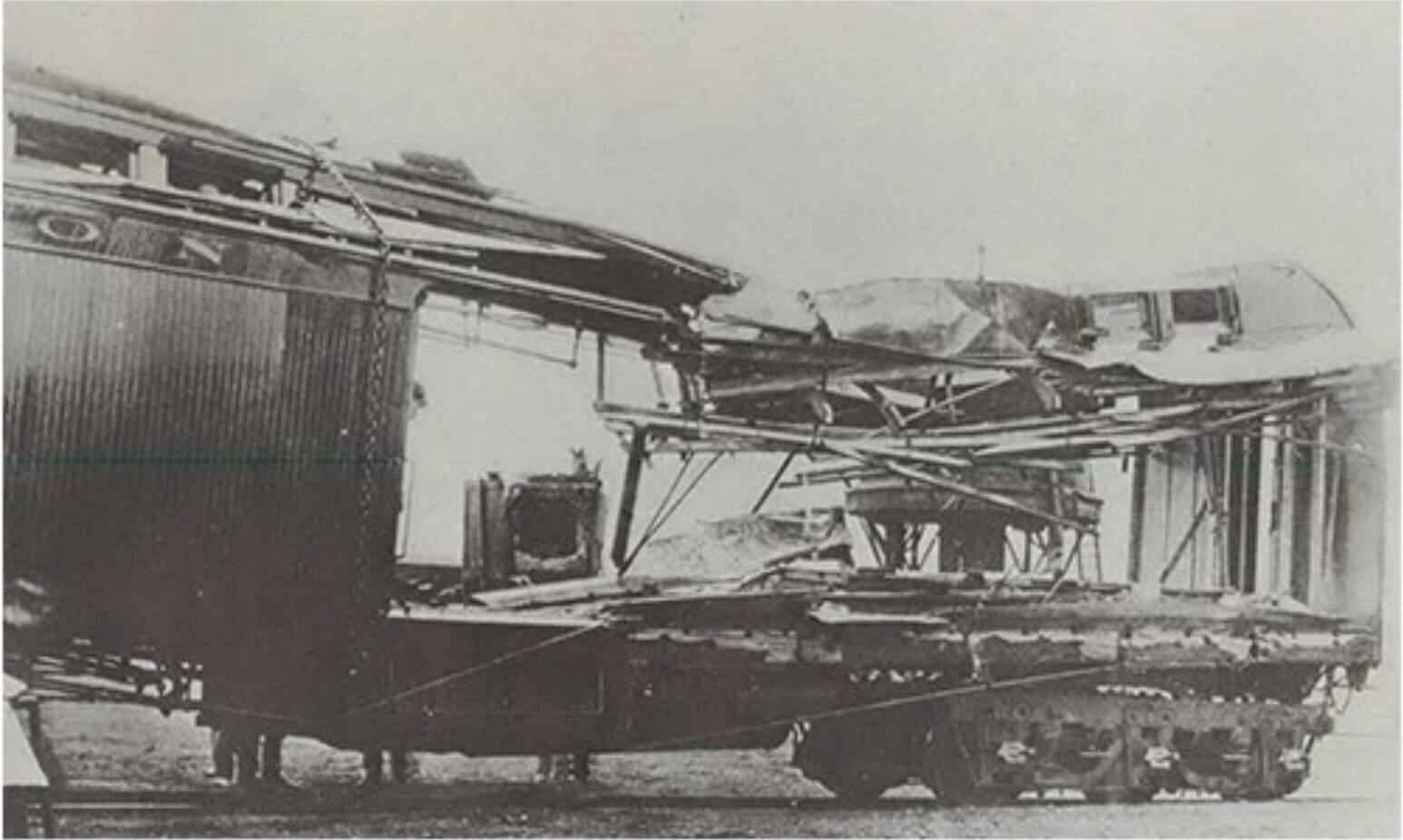
Elmer McCurdy gained notoriety as a small-time train robber. His October 1911 heist at the Katy Line in Oklahoma went catastrophically wrong. McCurdy died from his gunshot wound shortly after, his body claimed by a funeral home in Pawhuska, Oklahoma.
The funeral director, A.E. Norfleet, kept McCurdy's corpse when the family couldn't pay burial fees. Norfleet embalmed the body using arsenic-laced fluid—a standard practice then—which preserved the remains exceptionally well. Instead of proper burial, the mummified outlaw became a traveling exhibit in dime museums and carnivals across America.
McCurdy's remains appeared in sideshows under various names: the "Bandit Mummy," the "Mysterious Mummy," and other carnival aliases. Admission fees funded his perpetual exhibition. The mummy became so famous that it attracted genuine curiosity seekers and researchers who wanted to study the preserved remains.
In the 1970s, a prop acquisition company obtained what they believed was a high-quality mannequin for the Six Million Dollar Man television set. Producers positioned "McCurdy" as a fun house attraction on the show. After filming wrapped, the prop remained in storage.
In 1976, workers moving the prop noticed something wrong. The latex "dummy" weighed far too much. Examination revealed genuine human bone, tissue, and—most critically—an actual ballistic wound consistent with a 1911-era bullet.
DownRange Bottom Line
McCurdy's remains provide a macabre reminder that bullet wounds tell permanent stories. For gun owners, this case underscores why ballistic evidence remains one of forensic science's most reliable tools. Modern ammunition, firearms, and analytical methods have advanced exponentially since 1911, making today's ballistics work far more precise than what forensic experts could accomplish a century ago.
McCurdy finally received a proper burial in 1977, more than 65 years after his death. His body now rests in Fort Washita Historic Cemetery in Durant, Oklahoma—marked with a headstone finally acknowledging his actual identity.