Geissele Delivers Clean-Sheet Carbine for Navy's Extreme-Pressure Assault Rifle
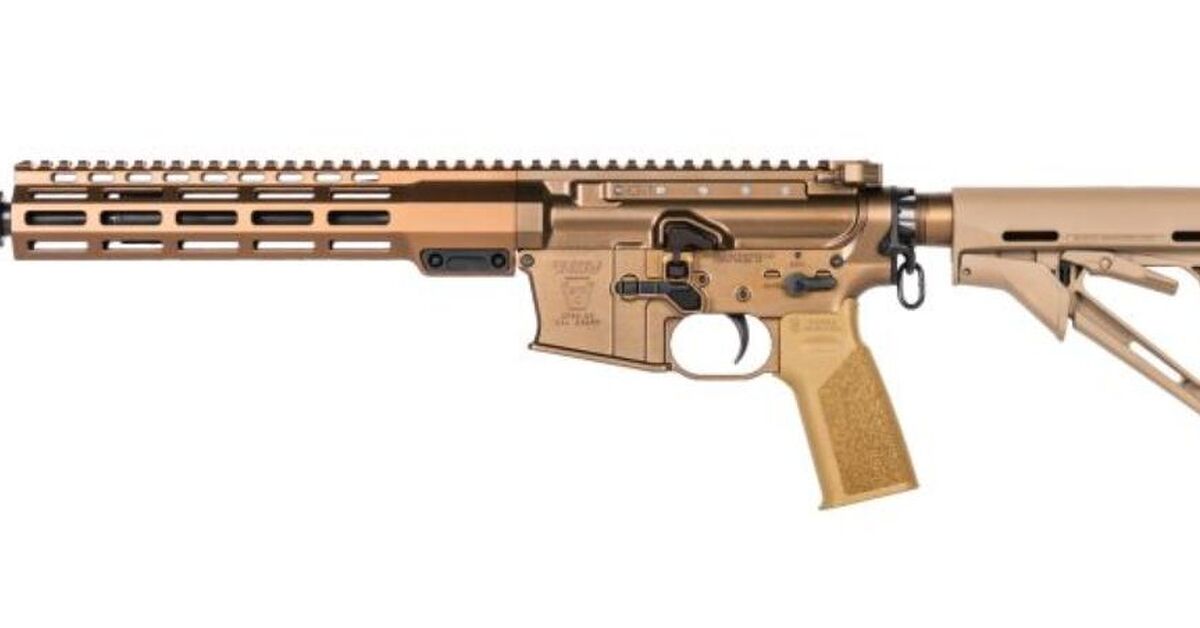
Geissele Automatics has fielded a production-ready carbine platform capable of sustained fire at 82,000 PSI, directly answering NSWC Crane's May 2026 Hypervelocity Improved Capability Assault Rifle (HICAR) solicitation. The system required ground-up bolt and barrel engineering—confirming that no current commercial platform could withstand the pressure envelope the Navy specified.
Key Details
NSWC Crane's Challenge. The Navy's solicitation asked vendors whether any existing carbine platform could handle sustained fire at 82,000 PSI. The answer was no. Geissele's response was a new bolt and barrel assembly, engineered specifically for the HICAR pressure class.
Clean-Sheet Design. Rather than modify an existing platform, Geissele built purpose-designed components. This approach signals that the 82,000 PSI envelope represents a genuine engineering jump—not an incremental upgrade to standard 5.56 NATO (62,000 PSI nominal).
Production Status. Geissele has a product in hand, positioning the company ahead of competitors still evaluating the feasibility of HICAR compliance.
Why It Matters for Gun Owners
HICAR's 82,000 PSI specification points to a military shift toward higher-velocity ammunition for improved range, penetration, and terminal performance beyond what 5.56 NATO delivers. For commercial shooters and competitive riflemen, this validates the market appetite for hypervelocity platforms. Geissele's willingness to invest in new tooling suggests the company sees legs in a post-standard military contract era—either through future government orders or commercial adaptation. Gun owners should monitor whether Geissele releases civilian variants. The technology—stronger bolts, heavier barrels, tighter tolerances—could inform the next generation of duty-grade carbines. However, ammunition availability will be the constraint; HICAR rounds don't exist in civilian supply chains yet.
DownRange Analysis
Geissele's move is smart business and engineering. The company avoided the trap of retrofitting—it built what the Navy actually needed. This positions them as the baseline vendor for HICAR contracts. Other manufacturers will scramble to match the design or argue for alternative pressure curves. Longer term, if the Navy adopts HICAR, Geissele likely captures recurring parts orders for barrels, bolts, and carrier groups. The real question: does this capability make sense for civilian carriers or competition shooters? Not yet. Ammunition costs and scarcity will stay prohibitive. But for those tracking military small-arms evolution, Geissele's HICAR platform signals where the industry is headed—and confirms that extreme-pressure ammunition isn't theoretical anymore.