Railroads and Repeaters: The Era That Almost Killed Western Hunting
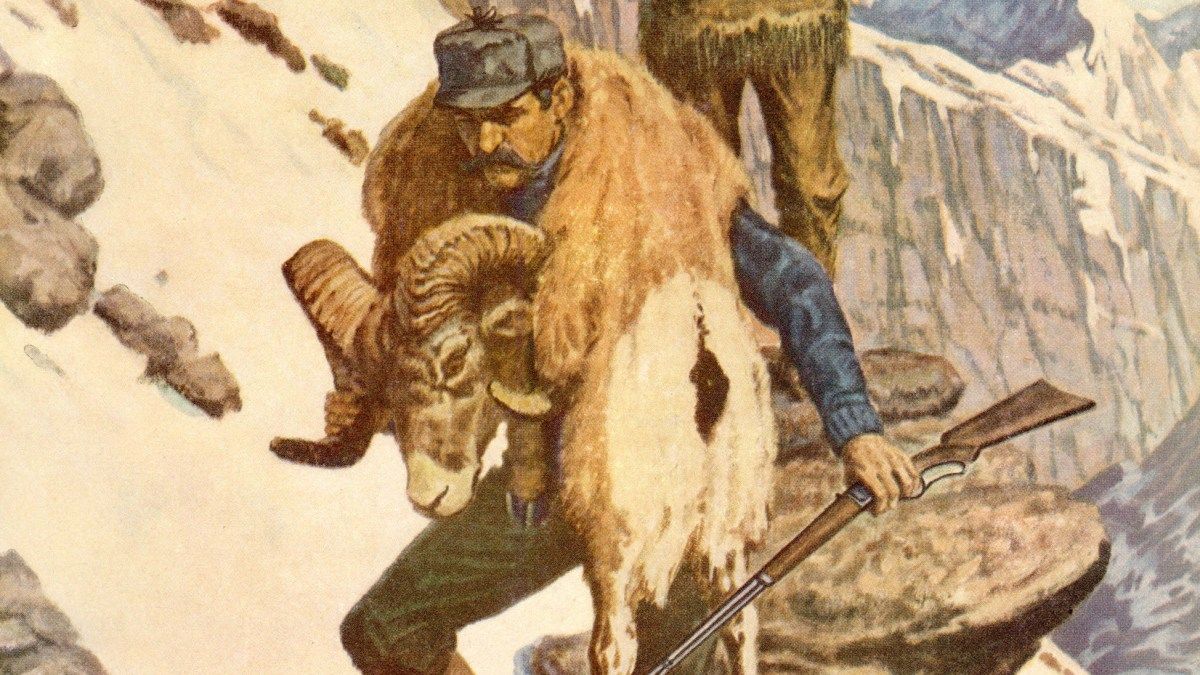
From 1870 to 1900, two technological shifts collided to create the most destructive hunting period in American history. Transcontinental railroads opened remote game country to hunters who previously lacked access, while repeating rifles—lever-actions and early bolt-actions—replaced single-shot buffalo guns. The combination gave ordinary Americans the ability to kill game in industrial volumes. Western herds of elk, mule deer, pronghorn, and buffalo faced extinction within three decades.
Key Details
- Timeline: 1870–1900 marked the peak of unrestricted Western hunting, enabled by rail access and repeating-rifle technology.
- Impact: Herds were hunted to near-extinction. Buffalo populations collapsed from millions to thousands. Elk vanished from most of their range.
- The tools: Repeating rifles—Winchester lever-actions, Spencer carbines, and later Mauser bolt-actions—allowed hunters to take multiple animals per day, replacing the single-shot hunting of earlier decades.
Why It Matters for Gun Owners
This period established the foundation for every hunting regulation that exists today. Market access plus effective firepower created a tragedy of the commons: individual hunters acting rationally within their incentive structure destroyed the resource itself. The result was the first wave of state game laws, bag limits, and licensing requirements—all born from this specific historical crisis. Modern gun owners inherit both the freedom and the framework that prevented a second extinction event. Understanding this history explains why seasonal closures, tagging systems, and species-specific regulations exist, and why attempts to roll back those frameworks face pushback from hunters who understand the consequences of unfettered access.
DownRange Analysis
This is conservation history, not gun control. The 1870–1900 era proved that technological capability alone doesn't guarantee sustainability. Repeating rifles didn't kill the West's game—unrestricted use of repeating rifles in an open-access environment did. The irony: gun owners solved this problem themselves through regulated seasons and licensing, creating a model that rebuilt herds to huntable levels. Today's elk populations exist because hunters accepted limits. Second Amendment advocates who dismiss all regulation should confront this: the alternative to sensible game management is the alternative to game at all.