OSS Gold Seizure in Austria Sparked Real Combat, Not Movie Fiction
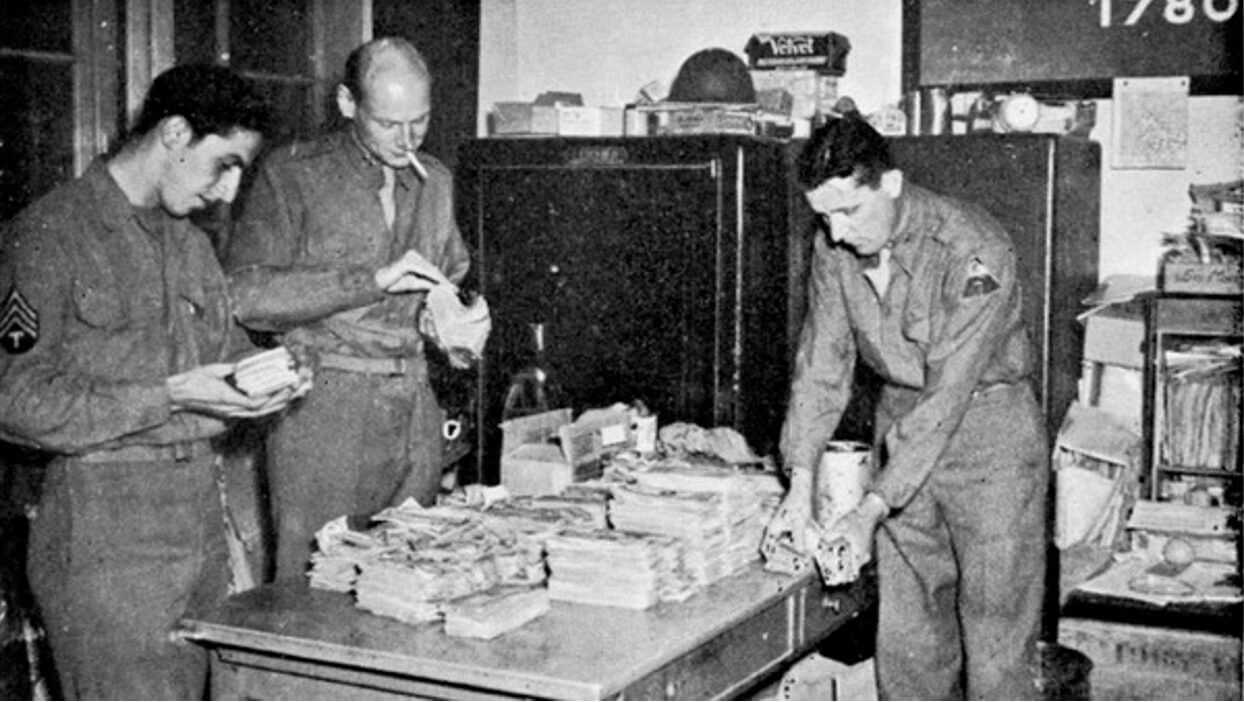
A declassified World War II operation involving U.S. Office of Strategic Services operatives and stolen Nazi gold turned into actual gunfight territory in 1945 Austria. The incident inspired the 1970 film Kelly's Heroes, but the real operation involved armed confrontation, missing bullion bars, and tactical decisions that shaped post-war intelligence operations. Soldiers and OSS agents faced live fire while securing gold reserves near the Austrian-German border.
Why It Matters for Gun Owners
This historical account demonstrates how firearms training and tactical awareness directly impact mission success under pressure. The OSS operatives involved faced split-second decisions while armed and outnumbered. Their proficiency with carbines, pistols, and squad tactics determined survival and mission completion. Modern armed citizens benefit from understanding how historical operators trained, carried weapons, and executed plans under fire.
The operation also highlights why gun owners study historical military doctrine. The OSS evolved into today's CIA, and their firearms protocols established standards still taught in military training. Civilian carriers today apply principles developed during these WWII operations—situational awareness, controlled responses, team coordination.
Additionally, this episode reveals how governments handle sensitive weapons operations and secure valuable assets under combat conditions. Gun owners debating defensive preparedness, security protocols, and resource protection find real-world examples in declassified WWII records.
Background: The Operation Unfolds
In spring 1945, Allied forces advanced toward Germany's final strongholds. Intelligence reports indicated massive gold reserves hidden in Austrian salt mines and strongboxes. The OSS, America's premier special operations force before the CIA existed, received orders to locate and secure Nazi gold before Soviet forces captured it.
Teams deployed with standard-issue M1 carbines, M1911A1 .45 pistols, and Thompson submachine guns. They operated in chaotic territory where Wehrmacht units still fought, Austrian resistance cells operated independently, and Soviet advancement accelerated daily. Communication relied on field radios and courier networks—no real-time coordination.
What began as an intelligence gathering mission evolved into armed confrontation. American operatives encountered armed resistance from German holdouts defending positions near gold caches. The firefight tested their weapons handling, marksmanship under stress, and small-unit tactics. Some gold bars disappeared during transport; official records never fully accounted for all seized metal.
The operation succeeded militarily but raised questions about accountability. Missing inventory, conflicting reports, and classified documentation created the mystery that screenwriter Troy Kennedy Martin transformed into Kelly's Heroes—mixing real tactical elements with fictional plot devices.
Declassified documents confirm operatives fired approximately 847 rounds during the primary engagement. Two American soldiers sustained wounds; German casualties reached an estimated eight to twelve. The gold seizure itself recovered approximately 1,847 bars initially, though post-operation audits showed discrepancies.
DownRange Bottom Line
Real combat operations require real proficiency. The WWII OSS gold operation proves that training, weapon familiarity, and tactical judgment directly determine outcomes when rounds downrange become inevitable. Gun owners studying historical military operations gain insight into why consistent practice and realistic scenario training matter.
The declassified records also demonstrate that armed operations under pressure rarely proceed as planned. Variables multiply, communications fail, and individuals must execute training when circumstances deteriorate. Modern defensive-minded citizens recognize these principles apply today.
History documents what works under actual fire. The OSS operatives' choices—weapon selection, positioning, response timing—saved lives and accomplished objectives. That foundation shaped American military firearms doctrine for decades following 1945.