NSW Red Tape Shut Down an Eight-Year Gun Shop
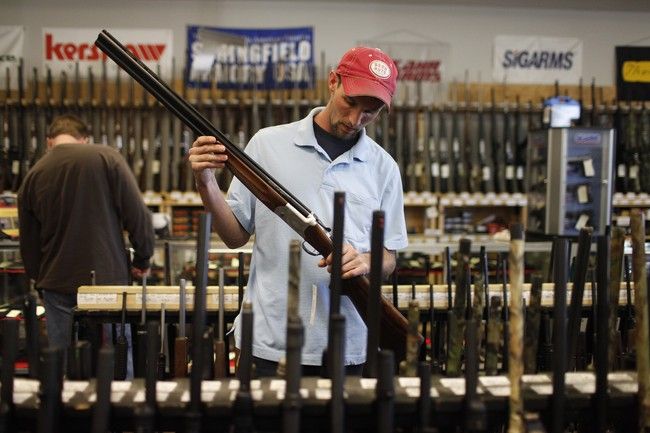
A family-owned gun shop in New South Wales, Australia, closed its doors after eight years, and its owners broke no law to get there. Zac Kirwans ran Badlands, a small shop that built individual firearm setups for customers. He could not move new guns fast enough to cover his costs. Robert Borsak Jr., State Director of the NSW branch of the Shooters, Fishers and Farmers Party, has documented the closure in detail. The shop did not fail on bad business. New firearm restrictions and a slow licensing system cut off the customers it depended on. Kirwans sold what remained of his stock to avoid debt he could not climb out of.
Key Details
The facts behind the closure are straightforward and damning:
- Badlands operated for eight years as a family business owned by Zac Kirwans and his wife.
- The owners were never accused of violating their firearms dealer license or any other law.
- Kirwans held new firearms in stock priced near what he paid suppliers. Buyers stopped coming, so he could not sell them at a profit and faced selling later at a loss.
- Delays at the Registry on licences and permits to acquire (PTAs) slowed ordinary trade to a crawl. A buyer without a license cannot buy a gun, and without a gun, that buyer also skips the scope, ammunition, cleaning kit and gear that fill a shop's accessory wall.
- Badlands stayed deliberately small. Staff ordered what customers asked for and built quality, individual setups, a model that only works when licensing moves.
- The NSW government offers business owners grants of up to $25,000 to restart. Kirwans calls that figure insulting.
- The family owns a Winchester lever-action .22 Magnum that grandfather bought from Kmart. The family registered the rifle through the proper process. It holds 11 rounds, and Kirwans fears the new capacity rules will take it. The family has owned it for roughly 60 to 70 years.
Background
Australia's modern gun regime traces to the 1996 Port Arthur massacre in Tasmania. The national government responded with the National Firearms Agreement later that year, which tightened licensing, restricted categories of firearms and funded buyback programs that removed a large volume of privately owned guns. Each state and territory then built its own licensing and permit machinery on top of that agreement. In New South Wales, the permit to acquire has long been the gate every buyer must pass through before taking a firearm home. Dealers do not control that gate. The state does.
That structure matters. Australia has no equivalent of the Second Amendment, so buyers and dealers have little constitutional ground to stand on when the rules tighten. Policy changes arrive through ministerial decisions, agency workloads and regulatory fine print. Registry backlogs and new classifications can hit a dealer's revenue long before any court weighs in. Kirwans's experience shows how that works in practice. The rules did not ban guns outright. They made owning and buying one slow, expensive and uncertain, and that was enough to close a shop.
Why It Matters for Gun Owners
American gun owners should not dismiss this as an Australian problem. Every U.S. dealer depends on a steady flow of qualified buyers, and every buyer depends on background checks, permits and paperwork that the government controls. In states such as California, New York and Massachusetts, magazine capacity limits, permit requirements and dealer regulations already shape what shops can stock and sell. A backlog at a state agency or a new registration rule can cost a local dealer thousands of dollars a month. Gun owners who rely on one neighborhood shop for transfers, ammunition and advice are the first to feel that loss. Watch state licensing wait times, track any new capacity or classification rules that touch your existing firearms, and document delays you experience. Those records matter when lawmakers ask why a shop closed.
DownRange Analysis
Bruen requires American courts to test gun laws against the nation's historical tradition of firearm regulation. A flat ban on a common rifle or a blanket capacity cap faces a hard fight under that standard. Licensing delays and permit backlogs are harder to challenge, because the government can argue it is simply running its bureaucracy. That gap is exactly the one Kirwans's story exposes. Regulators do not need to confiscate anything when they can slow commerce to a stop. Dealers who want to challenge that kind of creep need records, plaintiffs and patience. Right now, gun owners should support local dealers that keep their doors open, buy from them when the price works, and make noise with their legislators about processing times. A rifle that has been in one family for 60 years deserves better than a capacity rule written without thinking about grandfathers.