Three Dead, Five Wounded in Seattle Daylight Attack
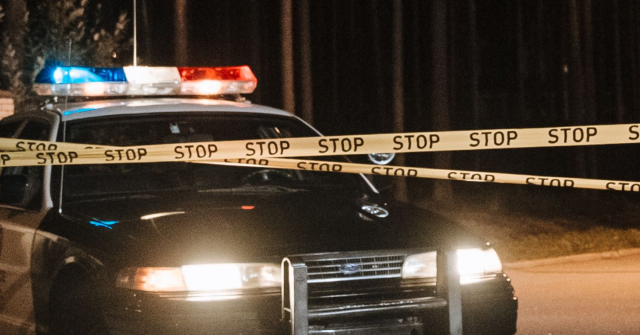
Seattle experienced another mass shooting in late July 2026, leaving three people dead and five others injured. The attack occurred during daylight hours in a city already burdened by repeated mass casualty events over the past 15 years. The incident adds pressure on state lawmakers to respond—typically with measures targeting lawful gun owners rather than criminal behavior.
Why It Matters for Gun Owners
Mass shooting events in major urban centers trigger rapid policy responses. Seattle and Washington State have historically imposed some of the nation's strictest firearm regulations: universal background checks, magazine capacity limits capped at ten rounds, and extreme risk protection orders allowing courts to seize firearms without traditional due process.
Gun owners in the Pacific Northwest must monitor state legislative responses and local ordinances emerging from this incident. Cities with repeating mass casualty events become test cases for new restrictions that spread nationally. Carriers and collectors in Washington should document current holdings and track pending legislation affecting ownership rights.
Washington's existing regulatory framework failed to prevent this attack. Background check systems, magazine restrictions, and threat assessment laws did not stop the violence. When violent crime persists despite strict regulations, policymakers respond by tightening those same regulations further—even when enforcement gaps, not firearm availability, created the problem.
Background: Seattle's Pattern of Violence
Seattle has experienced multiple mass casualty events since 2010. The Pacific Northwest city's response pattern shows consistent escalation of restrictions despite enforcement failures. Washington implemented universal background checks in 2015 (Initiative 594), magazine capacity restrictions in 2018 (Initiative 1639), and extreme risk protection orders that same year.
These measures passed with strong support from urban voters in King County, which includes Seattle. The state's Democratic legislature has supermajorities in both chambers, ensuring additional restrictions face minimal political resistance. Gun owners represent a small constituency in the state's urban-dominated electorate.
The extreme risk protection order law allows law enforcement or family members to petition courts for emergency firearm removal without the gun owner present at initial hearings. Washington courts have issued thousands of these orders since 2018, removing firearms from individuals who may never be charged with crimes.
DownRange Bottom Line
This shooting will drive another cycle of legislative action in Olympia. Expect proposals targeting magazine capacity further, expanding extreme risk order criteria, or imposing new permitting requirements on firearm purchases and transfers. Gun owners should prepare for rapid bill introductions in the 2027 legislative session beginning in January.
Document your current firearm holdings with photographs, serial numbers, and purchase documentation. Track bills introduced at leg.wa.gov and join alert systems from Second Amendment advocacy groups operating in Washington. Contact your state representatives and senators now—before bills are drafted—to express opposition to reactive measures that punish lawful owners.
The fundamental issue remains: existing restrictions did not prevent this attack. Gun owners must demand that legislators address enforcement failures, criminal behavior, and mental health crisis response rather than impose new regulations on lawful citizens.