AR-15 Dominates Custom Rifle Market as Accessory Ecosystem Explodes
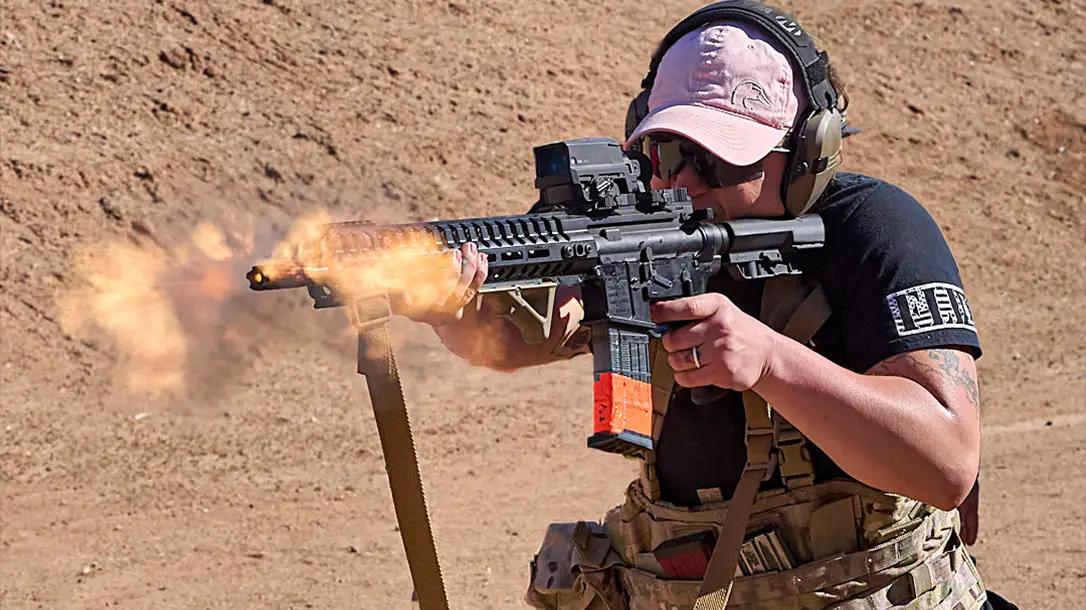
The AR-15 platform maintains its grip on American shooters as the most heavily modified rifle in civilian hands. Military adoption of the M16 decades ago established the foundation for today's accessory ecosystem, which now includes thousands of parts from dozens of manufacturers. Shooters continue investing in optics, tactical rails, stocks, and controls to tailor rifles for competition, home defense, and hunting.
Key Details
The AR-15's modular design remains its primary strength. Users can swap uppers, barrels, handguards, and stocks without gunsmithing. Accessory categories seeing continued development include:
- Free-float handguards and picatinny rail systems
- Modular stock and grip options
- Integrated charging handle designs
- Optic mounting solutions and co-witness systems
- Muzzle brakes and flash hider alternatives
The market reflects sustained demand from competition shooters, law enforcement trainers, and civilian owners seeking performance gains across different shooting disciplines.
Why It Matters for Gun Owners
If you run an AR-15—and statistically you own or know someone who does—accessory selection directly affects reliability and accuracy. The breadth of options means you're not locked into factory configurations. Competition shooters benefit from lightweight handguards that reduce sight picture disruption. Home defense users can prioritize manageable ergonomics and quick-acquisition optics. Hunters can build rifles optimized for specific calibers and barrel lengths. The aftermarket remains healthy and competitive, keeping prices reasonable. No other rifle platform offers this depth of customization without requiring specialized tools or gunsmith work, making the AR-15 the default platform for shooters who demand modularity.
DownRange Analysis
The AR-15's staying power isn't accident. Military standardization created infrastructure—manufacturers, documentation, training—that persists decades later. Competitors haven't displaced it because any alternative requires shooters to abandon their existing parts inventory and relearn ergonomics. Expect accessory innovation to continue in areas where current designs show friction: charging handle reliability under extreme conditions, optic mounting solutions that maintain zero shift, and handguard designs that reduce thermal signature without compromising stiffness. Gun owners should focus spending on quality basics—BCG, barrel, trigger—before chasing cosmetic upgrades. The market will keep churning out new products, but foundational components drive performance.