Chai Vang Dead in Wisconsin Prison After 2004 Hunting Massacre
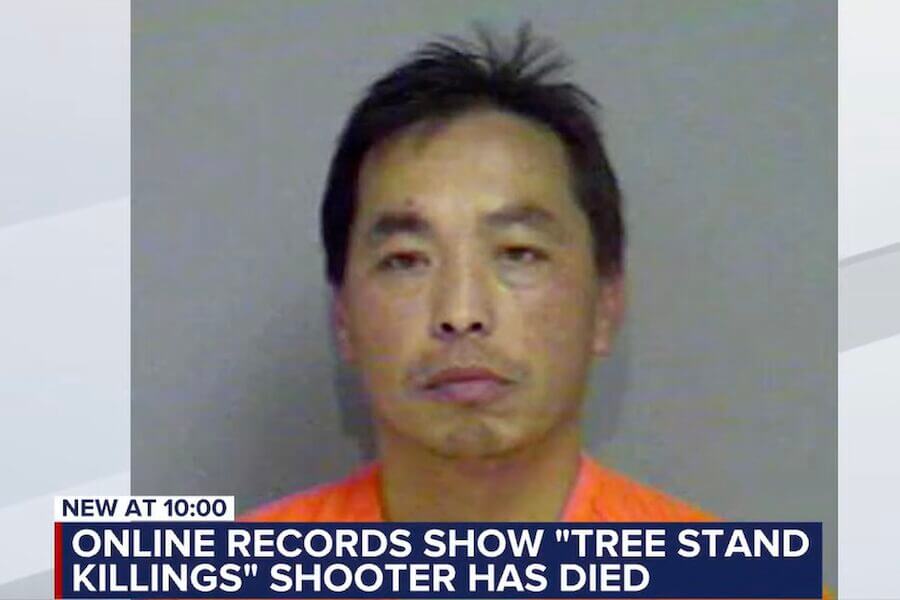
Chai Vang, the gunman behind Wisconsin's deadliest hunting incident, died in prison this week. The 61-year-old killed six hunters and wounded two others on November 21, 2004, in Sawyer County. Vang opened fire on a group of experienced hunters after a confrontation escalated over trespassing on private land. He died serving a life sentence without parole at Correctional Institution-Taycheedah.
The shooting occurred during the opening weekend of rifle season. Vang, hunting alone in a tree stand, encountered multiple hunters from the same group throughout the day. Witnesses reported heated words and threats. After the initial confrontation, Vang left the area, retrieved a rifle, and returned. He fired approximately 22 rounds, killing James Crapser, Dale Wanted, Robert Zastava, Jessica Crapser, Denny Drew, and Allen Schultz. Two other hunters sustained injuries but survived.
Law enforcement responded within hours. Vang fled on foot but was captured the next morning near a rural cabin. He confessed to the killings and was charged with six counts of first-degree intentional homicide. At trial, Vang claimed self-defense, arguing hunters had threatened him. The jury rejected his defense. He received a life sentence in March 2006.
Why It Matters for Gun Owners
This case remains a critical reference point in hunting safety discussions. Gun owners carry the responsibility to know the law, identify themselves clearly in the field, and manage conflict without escalation. Vang's actions demonstrated how quickly confrontation can turn lethal during hunting season.
For daily carriers and hunters, the Tree Stand Killings underscore several truths. First, access to firearms doesn't justify their use in disputes. Second, hunting season draws thousands of armed people into the field—situational awareness saves lives. Third, conflict de-escalation matters. Vang had multiple opportunities to walk away before firing a single shot.
The incident sparked ongoing debates about hunter orange visibility, trespassing enforcement, and hunter conduct on private land. Wisconsin continues strict hunter safety training requirements. Many states followed Wisconsin's lead in emphasizing conflict resolution over confrontation during hunting season.
Gun owners face increasing scrutiny over mass casualty events. This 2004 massacre influenced public perception of hunters and hunting culture for two decades. Each responsible gun owner's behavior affects how non-hunters view Second Amendment rights. The consequences extend beyond individual accountability—they shape policy conversations nationwide.
Background
Chai Vang was a Hmong hunter from St. Paul, Minnesota. On that November morning, he was hunting in the Clam Lake area on property he believed accessible to public hunters. The property owners had posted no trespassing signs. When confronted by the group of established hunters, Vang reportedly claimed he had permission to hunt there.
The initial encounter involved crude language and threats from both sides. Vang left the area around mid-morning. He drove to a nearby location, retrieved a rifle from his vehicle, and returned on foot. When he encountered the hunting group again, shooting began without warning.
The crime scene investigation recovered shell casings and ballistic evidence linking Vang's rifle to all six deaths. Autopsies confirmed hunting rifle ammunition killed each victim. Media coverage focused heavily on Hmong hunting traditions and cultural differences, though law enforcement emphasized that the murders resulted from individual choice, not cultural factors.
DownRange Bottom Line
Chai Vang's death closes a tragic chapter in American hunting history. Six people died because one man chose violence over walking away. For gun owners, the lesson is simple: carrying a firearm creates a duty to handle conflict without lethal force. Hunters share responsibility to maintain safety standards, communicate clearly in the field, and respect property boundaries. The Tree Stand Killings remain a stark reminder that access to firearms demands maturity, judgment, and restraint.