Bullpup Design Creates Sharp Divide Among Armed Carriers
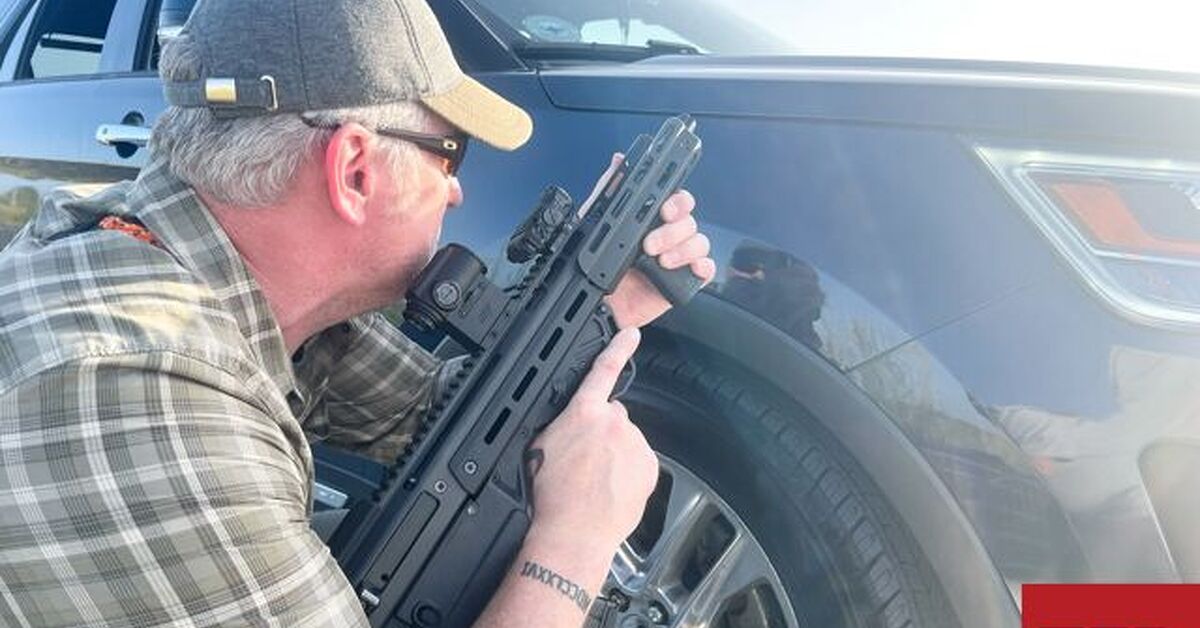
Gun owners either embrace bullpup rifles or reject them outright. Few shooters occupy middle ground on this platform. The debate hinges on genuine ergonomic trade-offs, yet emotional attachment to conventional AR-15 and AK designs fuels most resistance. Bullpup rifles position the magazine and action behind the trigger, shortening overall length while maintaining full barrel length. This configuration delivers measurable advantages in confined spaces alongside documented handling penalties that frustrate shooters trained on traditional layouts.
The platform generates intense reactions because both camps cite valid points. Supporters emphasize compact maneuverability, tight-space performance, and modern tactical applications. Critics highlight left-hand ejection issues, challenging safety lever access, non-standard charging handle placement, and steep learning curves. Neither argument is wrong. The bullpup works brilliantly for specific operators and creates genuine headaches for others.
Why It Matters for Truck Gun Owners
Vehicle carry demands practical solutions. Space constraints, rapid deployment requirements, and storage limitations shape truck gun selection. Bullpups solve the fundamental problem: full-length barrels in short packages. A bullpup delivers 16-inch barrel velocity in a 26-to-28-inch total length. Conventional rifles stretch 32-40 inches, consuming valuable truck rack space and complicating grab-and-go access during emergencies.
However, practical considerations must override brand loyalty. If you carry a truck gun, rent a bullpup for three test-fire sessions before purchasing. Range rental fees cost far less than discovering ergonomic incompatibility after buying. Your actual shooting experience determines whether this platform serves your needs—not internet arguments or manufacturer marketing.
Test three specific concerns: magazine changes under time pressure, safety lever operation during rapid transitions, and charging handle access wearing gloves. These practical realities separate genuine truck gun solutions from impressive-looking rifles that frustrate daily carriers. Left-hand shooters face particular challenges with standard bullpup ejection patterns. Right-handers often struggle with non-dominant-hand charging handle access.
Background: Bullpup Platform Realities
Bullpup designs emerged from military procurement demands in the 1980s and 1990s. British forces adopted the SA80. French military deployed the FAMAS. Australian soldiers carry the Steyr AUG. These decisions reflected genuine tactical requirements: vehicle crews, helicopter operations, and urban warfare scenarios demanded compact weapons without barrel length compromise.
American civilian adoption accelerated during the 2000s as Bushmaster, Kel-Tec, and Robinson Armament marketed bullpup platforms for tactical and truck gun applications. The design gained legitimacy through documented performance data rather than marketing hype. Modern iterations address historical ergonomic problems through improved controls, ambidextrous features, and innovative charging solutions.
Current market offerings include proven platforms like the Tavor X95 ($1,899-$2,199), Robinson XCR-L ($2,495-$2,695), and emerging competitors. Price points compete directly with quality AR-15 builds, forcing shooters to evaluate performance against cost.
DownRange Bottom Line
Truck gun selection demands honest self-assessment. Bullpups deliver real advantages in confined vehicle storage and emergency rapid access. They also demand training investment and expose ergonomic preferences conventional rifles conceal. Test-fire before buying. Train after purchasing. Your decision should reflect your actual shooting competency and intended use case—not tribal loyalty to rifle configurations your grandfather carried.
The bullpup platform isn't superior or inferior. It's different. Difference requires matching platform capabilities to operator capability. Honest evaluation beats assumption.