Armed Bystander Stopped Bend School Attack Before Police Arrived
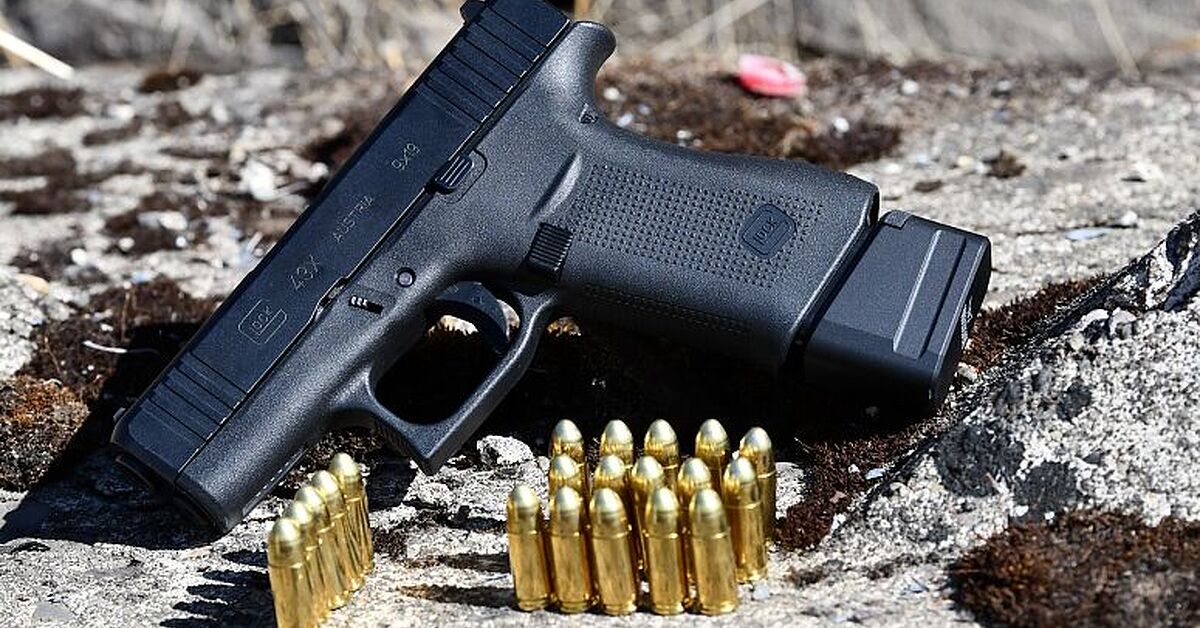
A armed citizen followed an active shooter into Silver Rail Elementary School in Bend, Oregon, and killed the attacker before police reached the scene. President Donald Trump called that man a “great hero” on Friday, October 16, 2026. Speaking to reporters, Trump said the day was a terrible thing but credited “a man that had a gun and knew how to use it.” The gunman was 16 years old. The shotgun he used had been bought by his mother, and he was not legally allowed to possess it. The armed response lasted only a few minutes. Within a day, the NRA and the gun-control group GIFFORDS had posted opposing reactions on X, and the exchange has reopened the argument over armed response in American schools.
Key Details
The facts that matter most are simple, and they cut against the usual talking points on both sides.
- Location: Silver Rail Elementary School, Bend, Oregon.
- Attacker: A 16-year-old who entered the school with a shotgun.
- Firearm source: The shotgun was purchased by the attacker’s mother.
- Legal status: The shooter was not legally allowed to possess a firearm.
- Response: A private citizen armed with a gun followed the shooter into the building and stopped the attack before police arrived.
- Timing: The intervention took a few minutes, which is the window that matters in an active shooter event.
- White House: Trump praised the bystander on Friday, October 16, 2026.
- NRA response: The group posted on X that the attack showed “the importance of a law-abiding armed citizenry” and praised citizens who are “prepared and ready to respond” when children’s lives are at stake.
- GIFFORDS response: The group, co-founded by former congresswoman Gabby Giffords, called gun violence a crisis that is “killing our babies” and demanded that “enough is enough.”
The shooting renewed national debate over gun violence in a country where firearms are widely available and gun-related death rates rank among the highest in the developed world. The sequence matters more than the rhetoric. A minor took a gun he could not legally possess into an elementary school. A citizen with a firearm ended the threat. Police arrived after the threat had already ended. Those are the facts the policy debate has to address.
Background
The Bend shooting lands on top of a decade of school attacks that have forced the country to rethink how fast a response must come. The most painful reference point is Robb Elementary in Uvalde, Texas, where a gunman killed 19 students and two teachers in May 2022. Officers waited in the hallway for more than an hour before engaging the shooter, a delay that investigators later documented in detail. That failure is the reason critics of the armed-response argument keep pointing to police showing up. Showing up is not the same as stopping the threat.
The legal framework has shifted too. In June 2022, the Supreme Court decided New York State Rifle & Pistol Association v. Bruen, striking down New York’s proper-cause requirement for carrying a handgun in public. The opinion created a test that asks whether a modern gun regulation fits within the nation’s historical tradition of firearm regulation. Lower courts have applied that test to school carry, sensitive places, and minors’ access, and the results have been uneven. Oregon has its own history of fights over gun policy. Voters approved Measure 114 in 2022, which created a permit-to-purchase requirement, and that measure has faced repeated court challenges since then.
Why It Matters for Gun Owners
If you carry, this incident affects you more than the press coverage suggests. Oregon residents and anyone traveling through the state need to know the carry rules for schools and other sensitive places before they draw a firearm in a crisis. Federal law under the Gun-Free School Zones Act of 1990 restricts firearms near schools, with exceptions for certain licensed individuals. State law layers its own restrictions on top, and those details decide whether a legal carry becomes a felony charge.
Storage is the other lesson. The shotgun in this case came from a household, which means it sat within reach of a minor. Gun owners who keep firearms in a home with children or teens should lock them up, store ammunition separately, and treat every unsecured gun as a possible crime scene. Parents who buy firearms should understand that a straw purchase or unsecured access can carry criminal and civil exposure.
Expect the policy fight to move quickly. Lawmakers will debate school security grants, armed staff programs, and storage mandates. Watch the Oregon legislature and school boards in districts that have considered armed staff. Watch for any new push to expand permit requirements, because those measures tend to follow headline tragedies.
DownRange Analysis
The Bruen test favors the argument that a person who stops an attacker with a lawfully carried firearm is exercising self-defense. Courts have long recognized defense of others. The harder question is whether a state can bar that same person from carrying at a school at all. Under Bruen, a government must point to a historical analog, and the historical record on schools is thinner than advocates on either side admit. Expect litigation in this area to intensify, not fade.
The market will follow the headline. Demand for quality holsters, concealed carry training, lockable gun safes, and school-safety products will rise in Oregon and nearby states. Buy from makers you trust, not from ad copy that promises miracles.
What should a gun owner do right now? Confirm your carry status and the rules for every school zone you enter. Lock up every firearm in your home, especially if a minor lives there or visits. Get real training that covers movement, cover, and communication with responding officers, because a responding officer does not know who you are. Keep your hands visible, drop your muzzle to a safe position, and follow commands. Being right about the law will not protect you if you handle the moment badly.