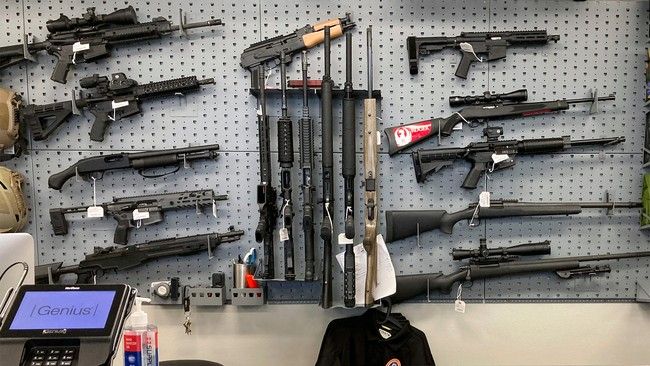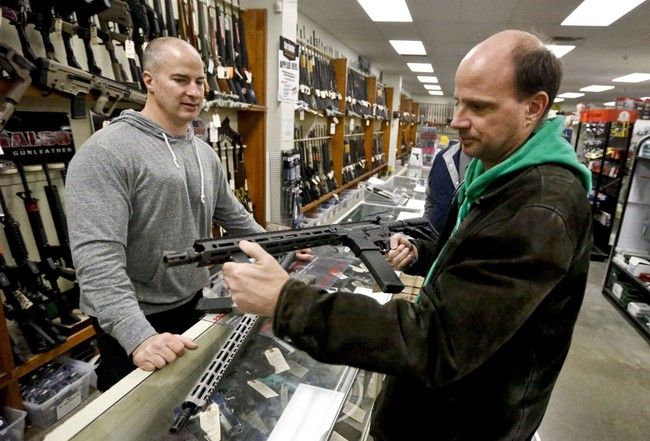
UC Davis Launches Database Tracking Mass Shooter Firearms Purchases
UC Davis Centers for Violence Prevention built a new database cataloging gun purchases by individuals who committed mass shootings. Researchers compiled acquisition records, timelines, and purchasing patterns from past mass shooting incidents. The project aims to identify commonalities in how attackers obtained firearms before carrying out violence.
Key Details
The database focuses on firearms purchase history and timing relative to attack dates. Researchers examined patterns across multiple mass shooting cases to establish buying behavior profiles. The project operates under UC Davis's violence prevention research umbrella, positioning itself as a public health initiative rather than a law enforcement tool.
Why It Matters for Gun Owners
This database signals renewed momentum for research that frames gun ownership through a public health lens. The data collection targets purchase patterns, not ownership itself—but the goal is identifying and flagging buyers who match emerging threat profiles. States with universal background check requirements and purchase waiting periods provide the richest datasets for this kind of analysis. Gun owners should understand that this research will likely inform future policy proposals around purchase delays, magazine capacity restrictions, and red flag frameworks. The framing matters: researchers present this as threat prevention, which carries more political traction than traditional anti-gun messaging.
DownRange Analysis
Threat pattern databases face a Bruen problem: they rest on modern public health policy, not historical Second Amendment tradition. Courts skeptical of may-issue licensing and modern regulatory schemes will scrutinize whether purchasing pattern analysis justifies new restrictions. That said, the research itself is not a regulation—it's data collection that will fuel state legislators. Gun owners should monitor which states use this research to justify expanded background check authority, mandatory waiting periods, or ammunition purchase tracking. The real danger isn't the database—it's the policy proposals it generates.