Remington 700's 5.4-Inch Bolt Shows Why Bolt Size Matters
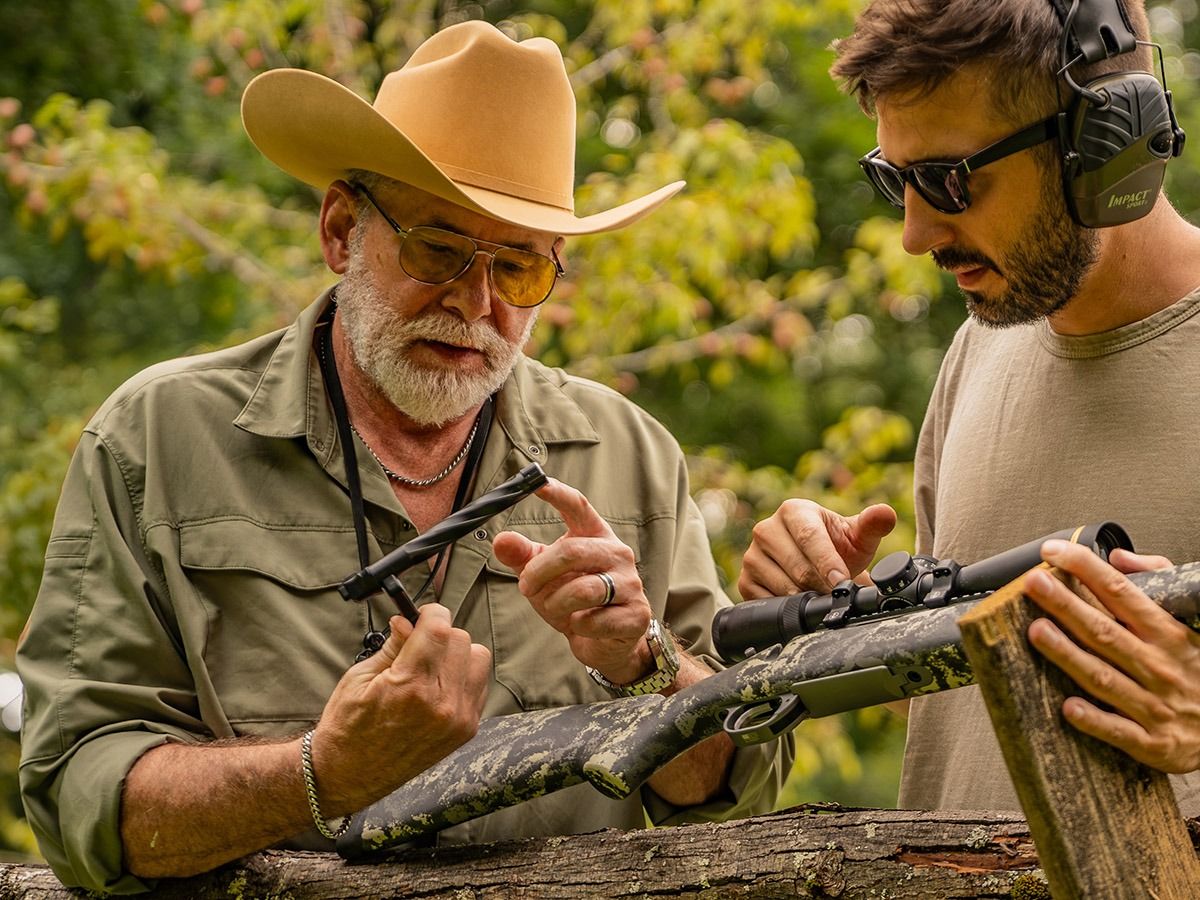
A Remington 700 bolt measures about 5.4 inches long. Wilson Combat's short NULA bolt for the .223 Remington runs roughly 3.54 inches. That gap exists because Remington built its .223 rifles on the same long action it used for .308 Winchester. Most shooters never think about the bolt past the handle, but it controls feeding, extraction, locking, and safety function. Gun Digest recently published a primer on bolt design, and the core lessons are worth knowing before your next rifle purchase or range session.
Key Details
The bolt size varies more than most owners expect. The reference points below show how much manufacturers have diverged.
- The Franchi Momentum in .308 Winchester uses an unusually large bolt, more than 0.80 inch in diameter.
- Wilson Combat's NULA rifle in .308 Winchester uses a 0.58-inch bolt.
- The Remington 700 bolt measures about 5.4 inches. Wilson Combat's short NULA action for .223 Remington uses a bolt body near 3.54 inches.
- Melvin Forbes, who designed the original NULA rifles, built nine action sizes with nine matching bolt sizes, from .22 Long Rifle up to .416 Rigby.
- The Savage 110 RF bolt includes a reversible baffle that changes cycling length. The overall bolt length stays the same.
- Lug layouts vary. Two opposing lugs need 90 degrees of rotation. Three lugs need about 60 degrees. The Q Fix uses five lugs and a 45-degree throw.
- Weatherby's Mark V uses a two-position bolt-mounted safety that locks the bolt. Most Mauser-pattern bolt safeties use three positions.
- Mauser-style full-length extractors belong to controlled round feed (CRF) actions. Internal extractors appear on many other designs. Both can fail if the shooter does not cycle the bolt fully.
Background
Bolt-action rifles firing metallic cartridges have been in use for more than 150 years. Their dominance comes from a simple design: a rotating bolt locks into the receiver, which handles pressure well and holds tight tolerances. Early designers sized actions for a single cartridge family. Over time, manufacturers chose a single action length to cover several cartridges, which cut tooling costs but left many rifles carrying extra steel and weight. The Remington 700, introduced in 1962, became one of the most copied rifle actions in American history, and its long-action footprint shaped how many owners think about bolt length. Forbes pushed the other direction by sizing actions to each cartridge, and Wilson Combat carried that approach forward. Bolt lug count and safety placement also shifted as makers chased smoother operation and better precision. None of these changes altered the basic job of the bolt, but they changed how much metal sits between your hand and the chamber.
Why It Matters for Gun Owners
Bolt geometry affects anyone who buys, builds, or maintains a bolt gun. Hunters and precision shooters should look hardest at the bolt handle and throw. A 90-degree throw on a two-lug bolt can knock a scope bell or throw lever if the scope sits too far forward. A 45-degree throw on a five-lug design clears more space, but it demands tight lug fit. Check your scope clearance with the bolt fully cycled before you mount a new optic. Rimfire shooters and those with older Remington 788 rifles should understand rear-lug designs, because they do not behave like the front-lug actions most owners know. If you run a CRF action, inspect the Mauser extractor for wear and make sure the cartridge rim seats under it on every cycle. Owners of Savage 110 RF rifles should know the baffle changes cycling length without changing the bolt body, so swapping it will not help a rifle that won't fit a shorter magazine. Finally, learn your safety. A bolt safety that blocks the firing pin behaves differently from a trigger-mounted safety that blocks the sear, and you should know which one your rifle uses.
DownRange Analysis
This piece carries no legal weight. Bruen does not reach bolt geometry, and no statute or court ruling changes because a bolt runs 3.54 inches instead of 5.4. The real market lesson sits in the length gap. Short-action rifles for compact cartridges save weight and can handle better, and manufacturers that spent decades building long actions for everything now have room to compete on ergonomics. Gun owners should treat the bolt as a spec, not an afterthought. Pull your bolt, count the lugs, measure the throw, and check the extractor. Run a few dry cycles with snap caps to confirm the bolt locks, extracts, and feeds without drag. If your rifle hesitates, fix the bolt before you blame the ammunition. Read the full Gun Digest article for the complete component breakdown.