Waymo Alerted Police to a Loaded Rifle Inside a San Francisco Robotaxi
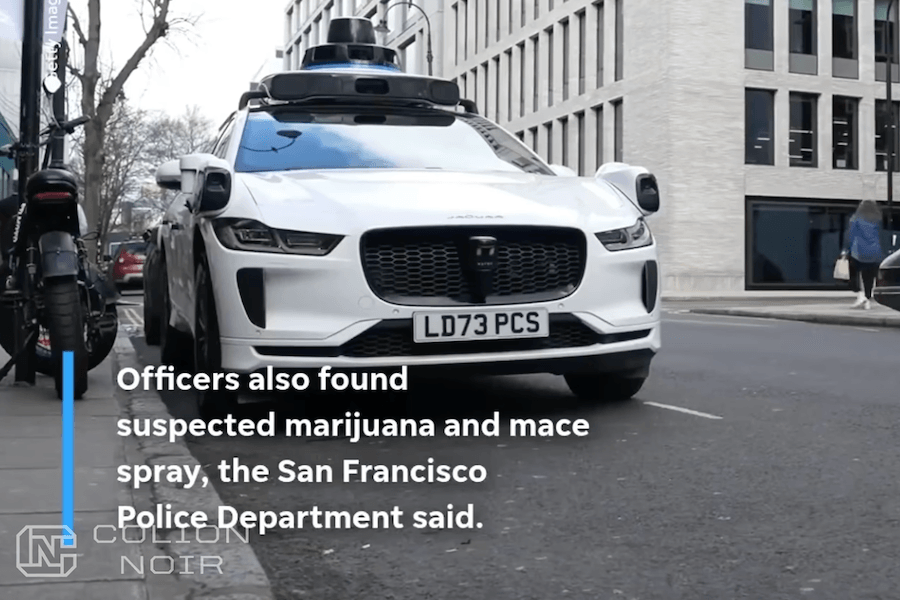
San Francisco police arrested two juvenile passengers after a Waymo robotaxi flagged a firearm inside the vehicle. Officers responded shortly before 4 a.m. on Sept. 3 in the Richmond District. They ran what the department called a high-risk vehicle stop.
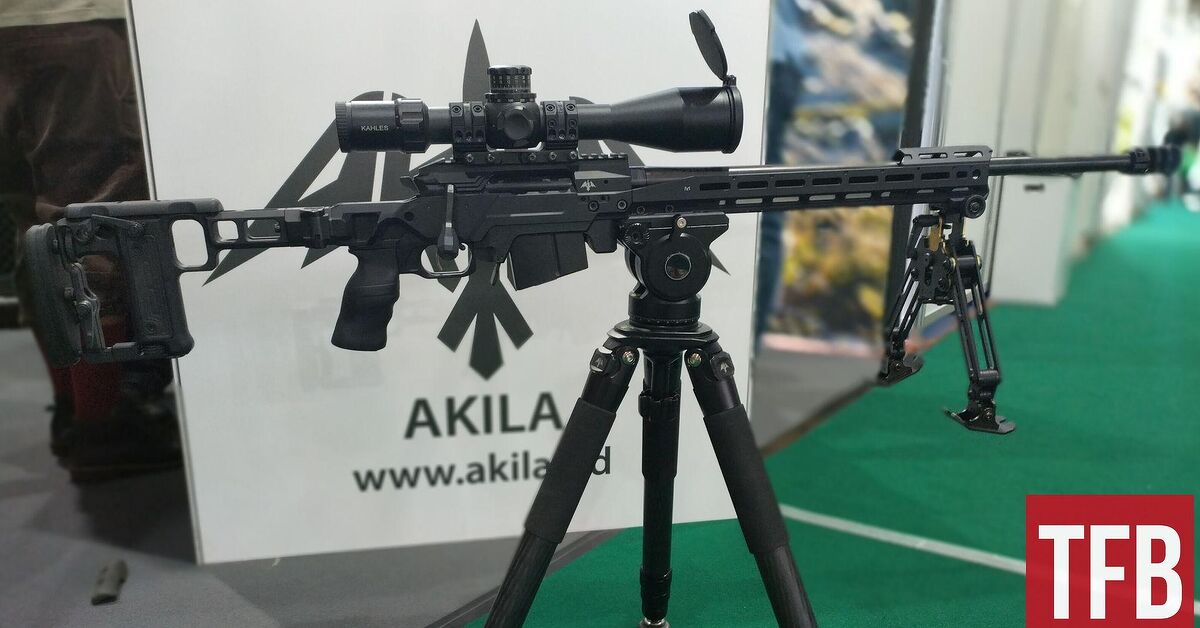
Officers recovered a loaded AR-style rifle that police described as a "ghost gun." They also found suspected marijuana and mace spray. A male juvenile and a female juvenile were arrested on suspicion of illegal firearm possession.
Waymo confirmed it stopped the vehicle after detecting a firearm-related violation of its terms of service. The company contacted emergency services and cooperated with police.
Key Details
Waymo's published rider rules are direct: "Don't carry weapons of any kind." The page does not carve out an exception for concealed-carry permit holders. That wording matters for anyone who assumes a permit travels with them.
The company also says its interior cameras help enforce in-car rules. Support staff may review footage, and in urgent circumstances they can access live video. Waymo says it may share certain information with law enforcement for legal compliance, agreement enforcement and safety.
One point needs correction from the commentary that circulated around the case. The available reporting does not establish that the car identified the gun and called police on its own. SFGATE reported that Waymo employees became aware of the firearm, which points to human involvement in the chain of events.
The facts that are established are narrow. Two juveniles were arrested on allegations of illegal possession. The rifle was loaded. Police described it as a ghost gun. Nothing in the public record shows a lawful adult concealed carrier being reported in a similar way.
Background
Waymo operates driverless ride-hailing vehicles in several American cities, and San Francisco is one of its most visible markets. Riders use an app to summon a car with no one in the driver's seat. That model removes the human driver who would ordinarily notice a passenger's weapon, so the company has to rely on cameras, sensors and staff review.
Interior monitoring is not new to ride-hailing, but a fully autonomous fleet raises the stakes. Without a driver present, the service becomes the only party watching the cabin. Its policies therefore define what happens when a rider breaks a rule.
A separate July incident in the same broader story involved teenagers drinking and firing water beads from a Waymo. Police said those passengers were not locked inside and could leave, according to Associated Press reporting. That case is a useful contrast, because it shows how police treated a rule violation without a firearm.
Colion Noir raised the concern publicly, arguing that corporate liability fears can make lawful gun ownership harder without any new law. That is his broader warning. The reporting does not show that liability drove Waymo's decision in this specific case.
Why It Matters for Gun Owners
The practical lesson is that a carry permit does not override a private company's rules. A permit authorizes carry under state law. It does not oblige a rideshare operator to allow firearms in its vehicles. If a company bans weapons outright, a lawful carrier can still be in violation of the service agreement.
Gun owners should read the rider terms before they assume they can carry on an autonomous ride. The Waymo rules as published contain no permit-holder exception. Someone who relies on a concealed-carry license without checking the policy could face a stopped ride and a police response.
The harder question is about process. Noir asks where the policy begins and where it ends. Would a visible, legally carried handgun simply end the trip? Would staff contact the passenger first? Under what circumstances would they call police? The current reporting does not answer any of those questions.
Privacy is part of the same debate. Interior cameras that can be reviewed and shared with law enforcement change how a rider experiences a car. Gun owners who value discretion will weigh that surveillance against the convenience of an app-based ride.
DownRange Bottom Line
This case involved alleged illegal possession by two juveniles, not a documented encounter with a lawful adult concealed carrier. Treat the arrests as a warning about rules, not as proof that permit holders are being targeted. The facts do not support a broader claim yet.
Still, the policy gap is real. A company with a blanket weapons ban, interior cameras and a route to police has built a system that a lawful carrier cannot fully predict. Until the company publishes clearer procedures, carriers should assume the ban applies to them.
The fair question for the industry is how a service should respond when it finds a firearm. A company can reasonably want safe vehicles, and a lawful carrier can reasonably want personal protection. Clear, published escalation steps would serve both sides better than silence and assumption. Gun owners should press for that clarity.