PRS Sharpens Real-World Hunting Skills Competitive Shooters Often Miss
Precision Rifle Series competitions build muscle memory that directly transfers to hunting success. Hunters who dismiss PRS as irrelevant ignore a proven training system that forces you to execute under pressure—exactly what happens when a trophy buck steps into your shooting lane at 300 yards.
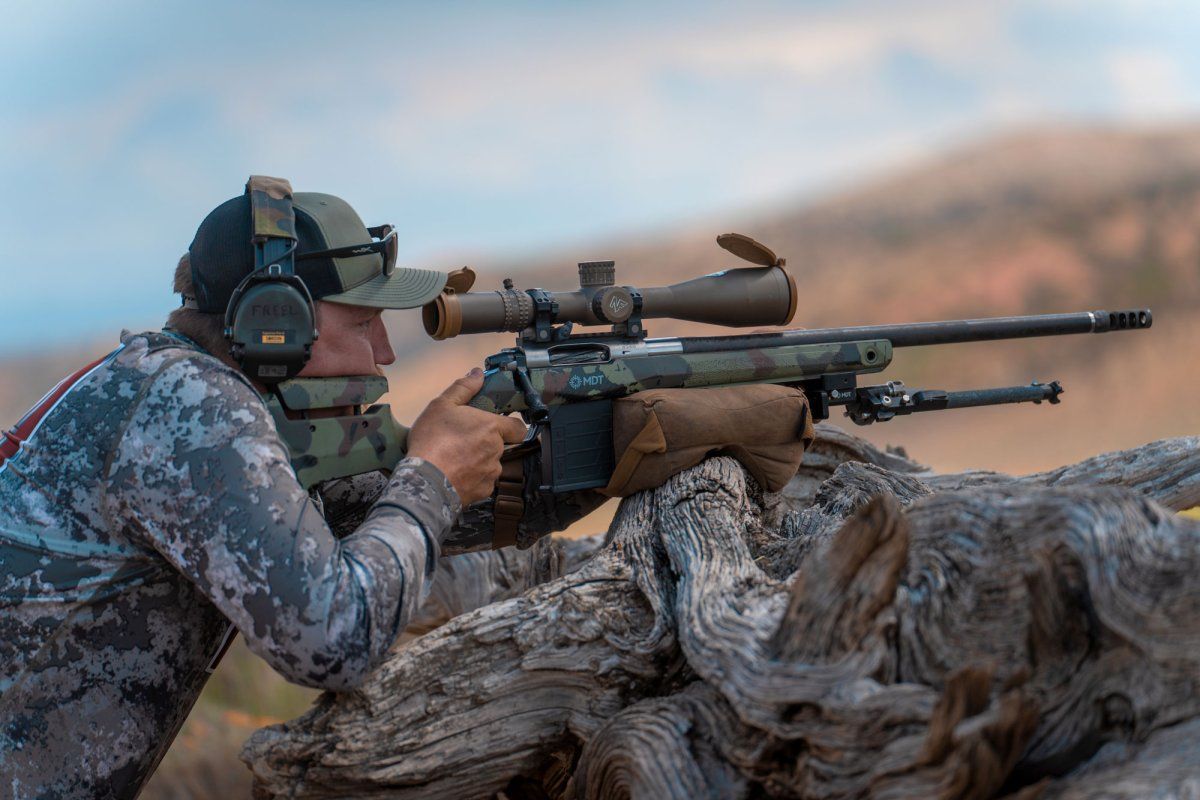
PRS demands you shoot from unconventional positions. You'll shoot prone, barricaded, kneeling, and standing. You'll build a rifle sling correctly. You'll learn to read wind on the fly. Competitive stages force split-second decisions identical to field situations where hunting rarely offers second chances.
Most hunters train on flat ranges shooting perfect fundamentals. They never practice the unstable positions, time pressure, or environmental variables that matter in actual hunting. PRS competition fills that gap ruthlessly.
Why It Matters for Gun Owners
Hunters often assume their rifle knowledge transfers automatically to field performance. It doesn't. PRS competition exposes shooting weaknesses you didn't know existed. You'll discover whether your breathing actually steadies your shots. You'll learn if your zero survives hard field conditions. You'll find out if you can execute at distance when adrenaline spikes.
Defensive gun owners benefit equally. PRS teaches weapon handling under stress. It builds confidence in your rifle's capability. It forces you to shoot accurately from non-standard positions—skills with clear self-defense application.
Ammunition costs less at PRS events than you'd spend testing loads at a private range. The experience beats expensive ballistic apps and theoretical training. You'll shoot 80+ rounds per stage, accumulating real-world data about your rifle's performance across different conditions.
Your optics and rifle setup get tested hard. You'll quickly learn whether your scope tracks true or your action groups properly. Equipment failures surface immediately in competition, not during an expensive hunt.
Background
PRS began in 2012. The sport grew rapidly because it emphasizes practical accuracy over tactical fantasy. Unlike three-gun matches mixing rifles, pistols, and shotguns, PRS isolates the rifle—your hunting platform.
Modern PRS stages intentionally replicate hunting scenarios. They include wind reading, barricade shooting, odd-angle shots, and distance transitions. Early stages ran 600 yards. Now 1,200+ yard shots appear regularly. Hunting distances have expanded beyond traditional rifle range limitations.
Hunters historically stayed away from competition shooting, viewing it as separate from hunting. That mindset has shifted among serious hunters who recognize training value. Local clubs now run beginner-friendly matches specifically marketed to hunters seeking skill development.
Equipment doesn't require investment in specialized gear. Your hunting rifle works fine. Entry fees typically run $50-100 per match. A weekend of shooting costs less than one guided hunt.
DownRange Bottom Line
Dismissing PRS as irrelevant to hunting is objectively wrong. Competition shooting reveals shooting weaknesses, builds confidence, and trains your body to perform under pressure. You'll understand your rifle's true capabilities before risking expensive tag fees.
The best hunters shoot continuously. PRS provides structured training that hunting season alone cannot deliver. One competition season improves your accuracy and decision-making faster than three years of casual range time.
Stop assuming your hunting skills are complete. Enter a local PRS match. Shoot hard. Miss some targets. Learn what you don't know. Your next hunt will benefit from uncomfortable truths revealed downrange.