Judge Orders Poacher to Post TikTok Apology After Jail Sentence
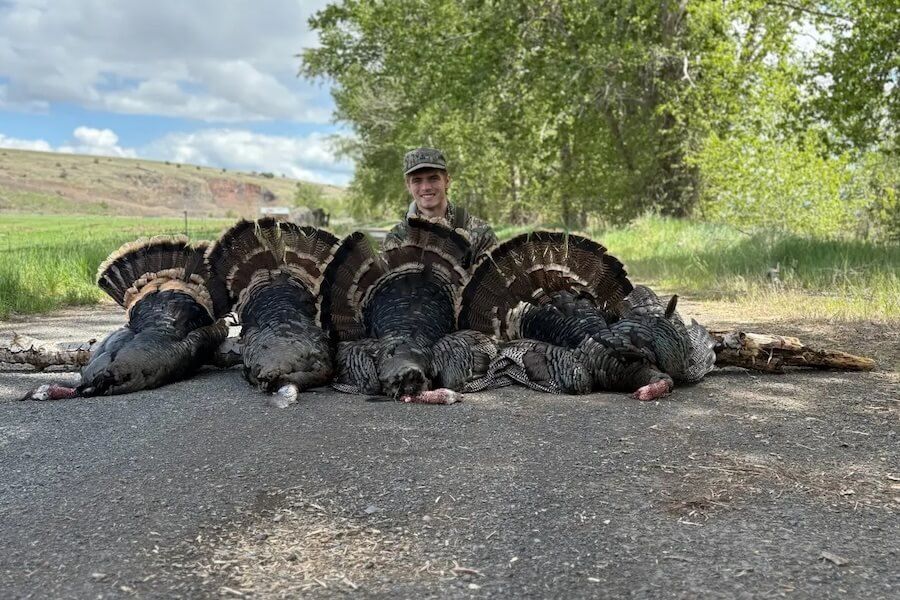
A federal judge sentenced a young poacher to jail time and imposed an unusual condition: post a public apology on TikTok. The defendant and three co-conspirators faced fines totaling $5,000 and equipment forfeiture for illegally hunting protected wildlife. The case highlights how courts now weaponize social media as punishment for outdoor crimes.
Why It Matters for Gun Owners
This ruling signals a troubling trend for hunters and shooters. Courts are expanding sentencing authority beyond traditional fines and jail time. Forced social media confessions set a precedent that could expand into firearm-related cases. Hunters already face intense scrutiny from anti-hunting groups. Now judicial systems are forcing defendants to amplify that narrative directly to younger audiences.
The case demonstrates how poaching convictions carry real consequences beyond lost hunting privileges. Co-defendants faced the same financial penalties. All forfeited weapons and equipment used in the illegal hunt. For working gun owners, this means understanding state and federal hunting regulations isn't optional—it's the difference between a legal hunt and felony charges.
The TikTok requirement creates another risk: the defendant's forced apology becomes permanent digital evidence used by anti-hunting advocates. Videos don't disappear. Gun rights groups worry this becomes a template for politically motivated prosecutors seeking maximum public shame.
Background
Poaching prosecutions fall under federal jurisdiction when they involve protected species or interstate commerce. The defendant's age made the case notable to prosecutors, who used it as a deterrent message to younger hunters. The judge apparently viewed social media visibility as part of the sentence's corrective purpose.
Three additional defendants received identical fines. All four lost their hunting equipment and firearms. Court records don't specify what calibers or gun models were forfeited, but the combined equipment seizure likely exceeded the $5,000 in fines imposed.
Federal poaching penalties vary by species and state. Charges typically include violations of the Lacey Act, which criminalizes illegal hunting across state lines. Sentences range from misdemeanor fines to felony convictions carrying multi-year imprisonment. This case landed somewhere in the middle—jail time plus humiliation.
The forced TikTok confession appears unprecedented in hunting cases. Legal experts debate whether such requirements violate First Amendment protections. The defendant's lawyer could appeal the condition as an unlawful speech compulsion. However, most poachers accept conditions rather than risk longer sentences on appeal.
DownRange Bottom Line
Hunters must treat state and federal regulations as non-negotiable law. A single illegal kill can mean felony charges, jail time, equipment loss, and permanent digital humiliation. The defendant's forced confession demonstrates courts will use modern platforms to maximize punishment visibility.
For daily carriers and hunting gun owners: verify every hunting season's regulations before heading into the field. Species protection laws change. State boundaries matter. Age restrictions apply. One moment of poor judgment costs a lifetime of legal consequences—and now, social media infamy.
The broader lesson cuts deeper. Prosecutorial discretion keeps expanding. Courts now view social media punishment as acceptable sentencing tool. Gun owners should expect this trend to continue across different offense categories. Documentation, education, and strict legal compliance aren't just good practices—they're survival requirements in today's legal environment.