
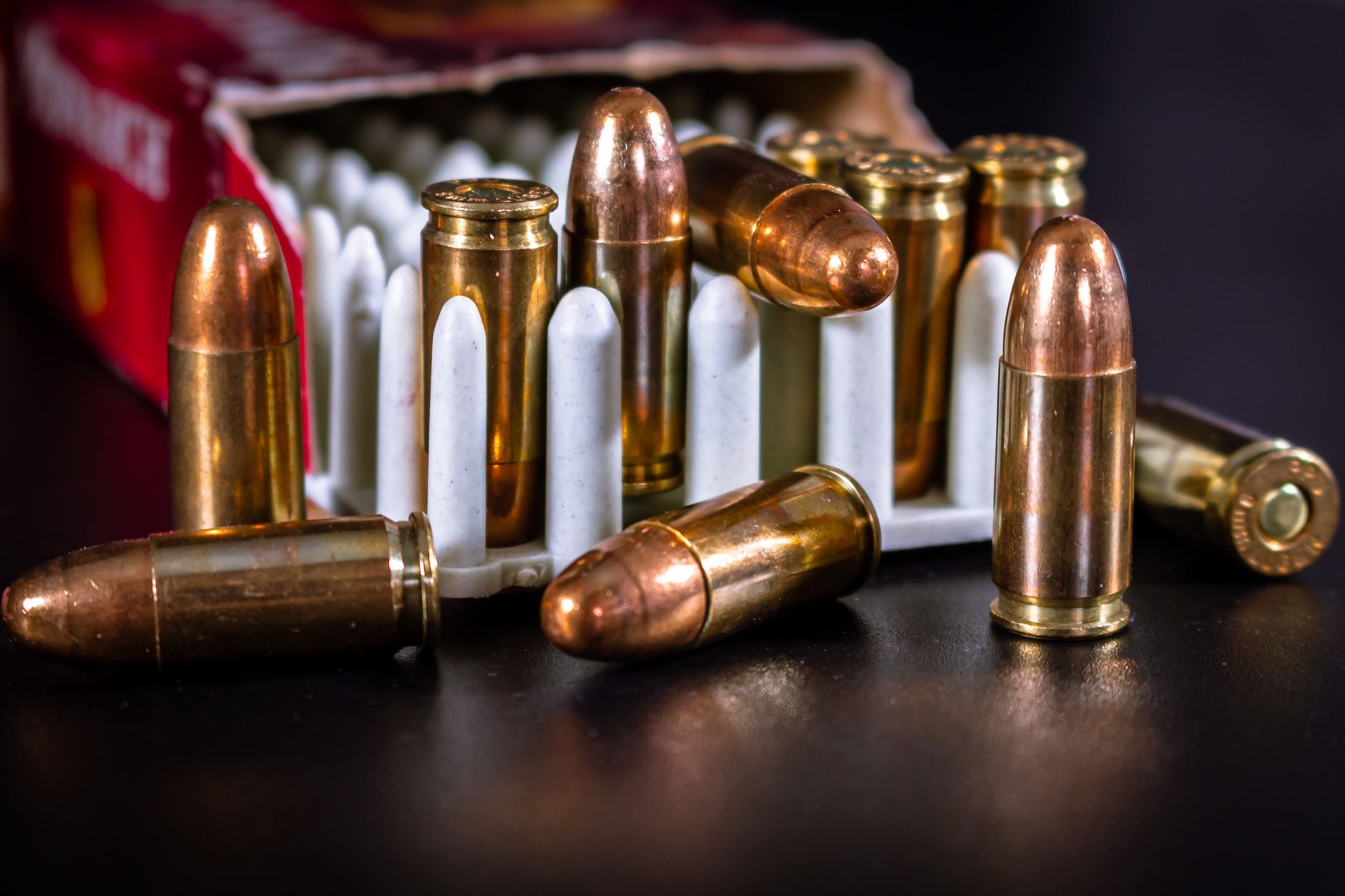
What You're Actually Paying for Ammo in Canada Right Now — And Why
I walked into my local range last week and nearly choked on the price tag for a box of Federal 9mm. $24.99 CAD for 50 rounds. That's roughly 50 cents per round for what Americans are buying at 30 cents south of the border. The gap isn't new, but it's getting worse, and if you shoot regularly in Canada, you need to understand exactly what's driving these numbers because your wallet depends on it.
Let me break down what I'm seeing in the market right now across the most common calibres. Federal 9mm 115gr brass case is sitting at 48–55 cents per round at major retailers when you buy 50-round boxes, dropping to 42–45 cents if you buy a 1000-round case. Speer Lawman, which is decent target ammo, runs about 44 cents per round in bulk. For .308 Winchester, you're looking at $1.75–$2.10 per round for quality hunting loads like Hornady or Federal. That same .308 ammo sells for $1.20–$1.40 USD across the border. For 12-gauge 2¾" buckshot, expect $1.20–$1.60 per round. And .22 LR, the supposedly cheap stuff, is hovering around 8–12 cents per round depending on brand and where you buy.
Why Canadian Ammo Costs So Much More
The first factor is import tariffs and border logistics. Ammunition isn't manufactured at any significant scale in Canada anymore. We're entirely dependent on imports, primarily from the United States, and that means every round crosses a border with duties, compliance costs, and regulatory overhead that American shooters never touch. When you import ammo into Canada, it's classified under the Explosives Act, and there are additional safety certifications and handling requirements that importers have to eat. That cost gets passed straight to you.
The second factor is scale and competition. The Canadian shooting market is roughly one-tenth the size of the American market. A retailer in the US can order 50,000 rounds of a popular load and move it fast. A Canadian retailer ordering that volume would still have it on shelves six months later. That means smaller orders, higher per-unit costs from distributors, and lower margins that force retail prices up just to stay profitable.
The third factor is regulations we don't talk about enough. The RCMP's firearms directorate doesn't regulate ammunition prices directly, but licensing requirements for ammunition dealers, storage regulations, and transportation rules are tighter than in the US. A retailer needs licensed facilities, bonded warehousing, and compliance audits. Those fixed costs get baked into every single box they sell.
Currency conversion matters too. The Canadian dollar has weakened significantly, and since ammunition is priced in USD wholesale, every time the loonie drops, prices climb automatically. That's not going away.
Where To Actually Buy Ammo in Canada Without Getting Fleeced
I've bought from most of the major online retailers in Canada, and these are the ones worth your time.
- Wolverine Supplies (Calgary-based, wolverinesupplies.com) consistently offers the best volume pricing I've found. Their 9mm bulk loads are typically 2–3 cents cheaper per round than local shops, and they stock everything from .22 LR to obscure rifle calibres. Shipping is $15–20 for most orders, so buy in volume to justify it. They also offer reloading components at better prices than you'll find elsewhere in Canada.
- Ellwood Epps (Orillia, Ontario, ellwoodepps.com) has been in the game for decades and it shows. Their website is functional, inventory is usually current, and they price competitively on popular loads. They don't have the absolute lowest prices, but they're consistent and reliable. I've never had a shipping issue with them.
- P.A.L. Gun Shop (palgunshop.com) is smaller and less visible than the other two, but they've undercut competitors on specific items multiple times. Check them regularly—they do deals on bulk rifle ammo that are worth catching.
The local shop matters too, even if they cost more. Building a relationship with a gun store that knows your preferences, holds ammo in stock for your specific needs, and doesn't nickel-and-dime you on every transaction has value that pure price comparison misses. I'll occasionally pay 5–10% more at my local shop because they're a resource beyond just transactions.
Import Rules — What You Need to Know
If you're thinking about buying ammo in the US and bringing it back, understand the rules clearly because customs violations around explosives aren't minor infractions. You can import a reasonable personal-use quantity of ammunition into Canada for your own shooting without a permit—the guideline is roughly what one person would reasonably shoot in a season. Customs tends to be flexible with a single case of rifle ammo or 5000 rounds of .22, but don't test the limits with a truckload.
The ammunition must be properly declared. You fill out the customs form, state exactly what you're bringing in, and let them inspect if they want. Most of the time, for personal quantities, it's a quick look and you're through. But if you're caught misrepresenting quantities or trying to sneak commercial-quantity imports through, you're looking at seizure and potential prosecution under the Explosives Act, which is federal.
The practical reality: if you make one trip a year to Buffalo or Spokane and come back with a case of ammo, you're fine. If you're doing it weekly or looking to resell, you've crossed into smuggling territory and the RCMP's firearms investigation unit takes that seriously.
Reloading — The Math That Actually Works
Reloading makes sense in Canada, but only if you shoot enough to justify the equipment investment. A basic single-stage press like the Lee Challenger runs $80–120 CAD. A progressive press like the Dillon 550B is $400–500. Add dies, scales, calipers, and components, and you're into $600–800 for a full setup to start.
Where reloading wins: once set up, you reload 9mm for roughly 18–22 cents per round, .308 for 90–$1.10 per round, and .22 doesn't make sense to reload—the savings are too small. You need to shoot 1000+ rounds per year to break even on a press investment within three years. If you shoot 2000+ rounds annually, you're probably saving $200–400 per year by the second year. Over five years, that's real money.
Brass is the variable. Once you have quality brass, reloading becomes genuinely economical. But brass prices have climbed in Canada too, and getting reasonable brass components through Canadian retailers takes patience. Wolverine Supplies and Ellwood Epps both stock reloading components, though selection is more limited than in the US.
The bottom line: Canadian ammo prices aren't coming down. Buy smart, buy in bulk, buy online, and if you shoot regularly enough, invest in reloading equipment. That's the reality of shooting in Canada in 2025.