
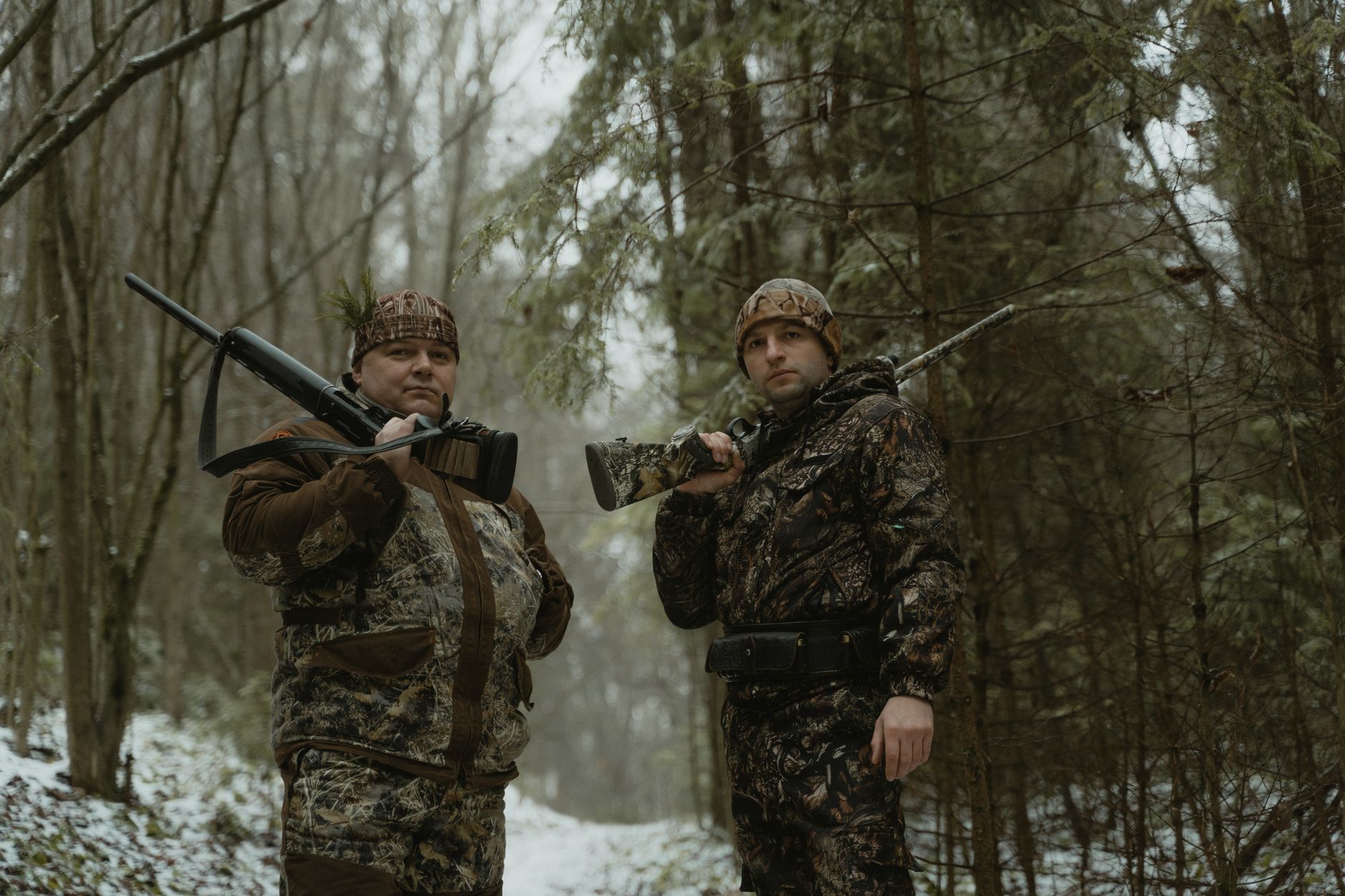
Canada's 2025 Hunting Season: Dates, Licenses, and What You Actually Need to Know
Moose season in British Columbia opens September 1st and runs through November 30th in most regions, but you need to check your specific Wildlife Management Unit because some areas close earlier. Alberta's moose season kicks off September 1st and closes December 15th. Saskatchewan gives you September 15th through November 30th. Manitoba opens September 1st with most seasons closing November 15th. Ontario's moose hunt starts September 16th and runs to November 30th in most zones. Quebec's moose season is September 1st through October 31st. These dates matter—show up a week after the season closes and you're looking at fines nobody wants to pay.
Deer seasons vary wildly by province and by species. BC's mule deer season runs September 1st to December 15th depending on your zone. Alberta's white-tailed deer opens October 1st and closes December 15th. Saskatchewan whitetail hunting starts October 15th through December 15th. In Ontario, gun season for white-tailed deer is mid-October through mid-November—this is the big one for most eastern hunters. Quebec's deer season is November 1st through November 30th. Black bear seasons are generally spring and fall, with spring typically March or April and fall running August through October depending on province. Check with your provincial wildlife service because overpopulation in some regions means extended seasons while others have limited tags.
Elk hunting is primarily BC, Alberta, and Saskatchewan. In Alberta, elk season runs September 1st through October 31st for rifle hunters in most zones. BC's elk seasons vary by region but generally open September 1st through November 30th. Saskatchewan's elk season is September 15th through November 30th in designated areas. These are premium hunts and tags are limited—you need to apply months in advance and your odds aren't great unless you've got connections or patience.
Non-Resident Licensing: The Real Cost and Process
If you're coming from another province or country to hunt in Canada, expect to pay more and get less access. Non-resident big game licenses in Alberta cost roughly $350-400 CAD for a one-week tag. BC charges $500-600 CAD depending on species. Saskatchewan is around $350-450 CAD. Ontario non-residents pay $500+ CAD for a moose tag plus the base hunting license. Quebec is expensive—non-residents are looking at $600+ CAD for a moose tag. These are rough figures and prices shift annually, so contact each province's wildlife branch directly: Alberta Parks and Wildlife, BC Wildlife Act administration, Saskatchewan Environment, Manitoba Sustainable Development, Ontario Ministry of Natural Resources, or Quebec's Ministère de l'Environnement.
Americans especially should know that non-residents from outside Canada face tighter restrictions in some provinces. You'll typically need your province or state hunting license as proof of hunter safety certification. Bring your original documentation—photocopies won't cut it. Book your license through the official provincial online system weeks before your trip, not days. I've watched hunters show up without proper paperwork and spend their vacation sorting paperwork at a wildlife office instead of being in the field.
Legal Firearms for Hunting in Each Province
This is where Canadian law gets specific and non-negotiable. For rifle hunting, most provinces require a centerfire rifle—no .22s, no air rifles. Minimum caliber for moose and elk is generally .270 Winchester or larger; some provinces specify .30-06 or equivalent. .243 Winchester is legal for deer in most provinces but marginal for moose. BC allows shotgun slugs during designated shotgun seasons. Ontario and Quebec have shotgun-only zones in some areas. Double-check your specific zone before packing your rifle.
Semi-automatic rifles are legal for hunting in Canada provided they're non-restricted class firearms. Many hunters use AR-15 platforms chambered in .308 Winchester or 6.5 Creedmoor for elk and moose. However—and this is critical—you must own these rifles legally before your hunting trip. You cannot transport a non-restricted rifle without your Possession and Acquisition Licence (PAL). If you don't have a PAL, start the application process now. It takes weeks minimum.
Prohibited firearms are absolute deal-breakers. Anything with a magazine over 5 rounds for rifles (with exceptions for SKS and Ruger Mini-14 variants) is prohibited. Handguns are restricted, not prohibited, but you cannot hunt with a restricted firearm—that's the law. Any semi-auto that looks like it has a military profile but was classified as non-restricted before December 2020 may still be hunted with, but verify this with your provincial wildlife officer before the trip.
Transport and Storage During Your Hunt
Transporting your firearm to a hunting camp requires your ammunition stored separately from the firearm. Pack your rifle in a locked case, cased, with the action open. Ammunition goes in a separate locked container. If you're flying, firearms must be declared to the airline and transported unloaded in checked baggage—they'll go to a secure room while you're in the air. Some outfitters provide firearm storage at their lodges; ask before you arrive.
At camp, lock your rifle in a case or cabinet when you're not actively hunting or cleaning it. Most outfitters have storage cabinets specifically for this. You'll need hearing and eye protection during your hunt—bring doubles of each in case you lose one. Ammunition should stay cool and dry; don't leave it in direct sunlight or humidity.
Cartridges That Actually Work for Canadian Game
For moose: .30-06 Springfield, .300 Winchester Magnum, .338 Winchester Magnum, 7mm Remington Magnum. These aren't overkill—moose are massive and deep-chested. I've seen poor hits with .270 Winchester result in long tracking jobs. Shot placement matters more than caliber, but bigger margins for error exist with .300 Win Mag or .338 Win Mag.
For elk: .300 Winchester Magnum, .338 Winchester Magnum, 7mm Remington Magnum. Same logic as moose. Elk are tough, fast, and you're often hunting terrain where your first shot is your only shot. More velocity and energy at distance means better killing power.
For white-tailed deer: .243 Winchester, .270 Winchester, 7mm-08 Remington, .308 Winchester. These will drop a whitetail cleanly if you place the shot correctly. No need for magnum power. I use a .243 for deer and it's more than adequate with good bullets.
For black bear: .300 Winchester Magnum, .338 Winchester Magnum, .308 Winchester. Bears require deep penetration and energy, especially if a hunt turns defensive. Avoid light cartridges. Use premium bullets designed to expand and penetrate.
Regardless of cartridge, use quality hunting ammunition with expanding bullets. Federal Premium, Hornady, Nosler, and Swift make ammunition specifically engineered for hunting that performs consistently. Don't cheap out on ammo for a hunt you're investing thousands into.
Contact your provincial wildlife service with any questions about regulations in your specific zone. Season dates, licensing requirements, and firearm restrictions change annually. Verify everything before you book your trip or purchase your tags.