
How to Actually Buy a Handgun in Canada Without Breaking the Law
You need an RPAL—Restricted Possession and Acquisition Licence—before you can legally own a handgun in Canada. That's non-negotiable. If you don't have one, everything else I'm about to tell you is academic. The RPAL process takes roughly four to six months from application to approval, sometimes longer depending on your provincial screening office's workload. You'll need a PAL (Possession and Acquisition Licence) first, which covers non-restricted firearms like rifles and shotguns. Then you apply for the restricted upgrade. Both require a safety course, a background check, and references.
The Canadian firearms classification system divides handguns into three buckets: non-restricted, restricted, and prohibited. Understanding the difference matters because it determines where you can shoot and what hoops you jump through to own one.
Non-Restricted Handguns (Barely an Option)
Non-restricted handguns exist in Canadian law, but finding one for sale is nearly impossible. A handgun qualifies as non-restricted if the barrel is longer than 105mm and it doesn't fire a .25 or .32 caliber cartridge. Some vintage revolvers and oddball imports technically fit this category, but you won't find them at your local dealer. I've been shooting handguns for two decades and I've never owned one. They're not worth hunting for when restricted options are actually available.
Restricted Handguns (The Standard Path)
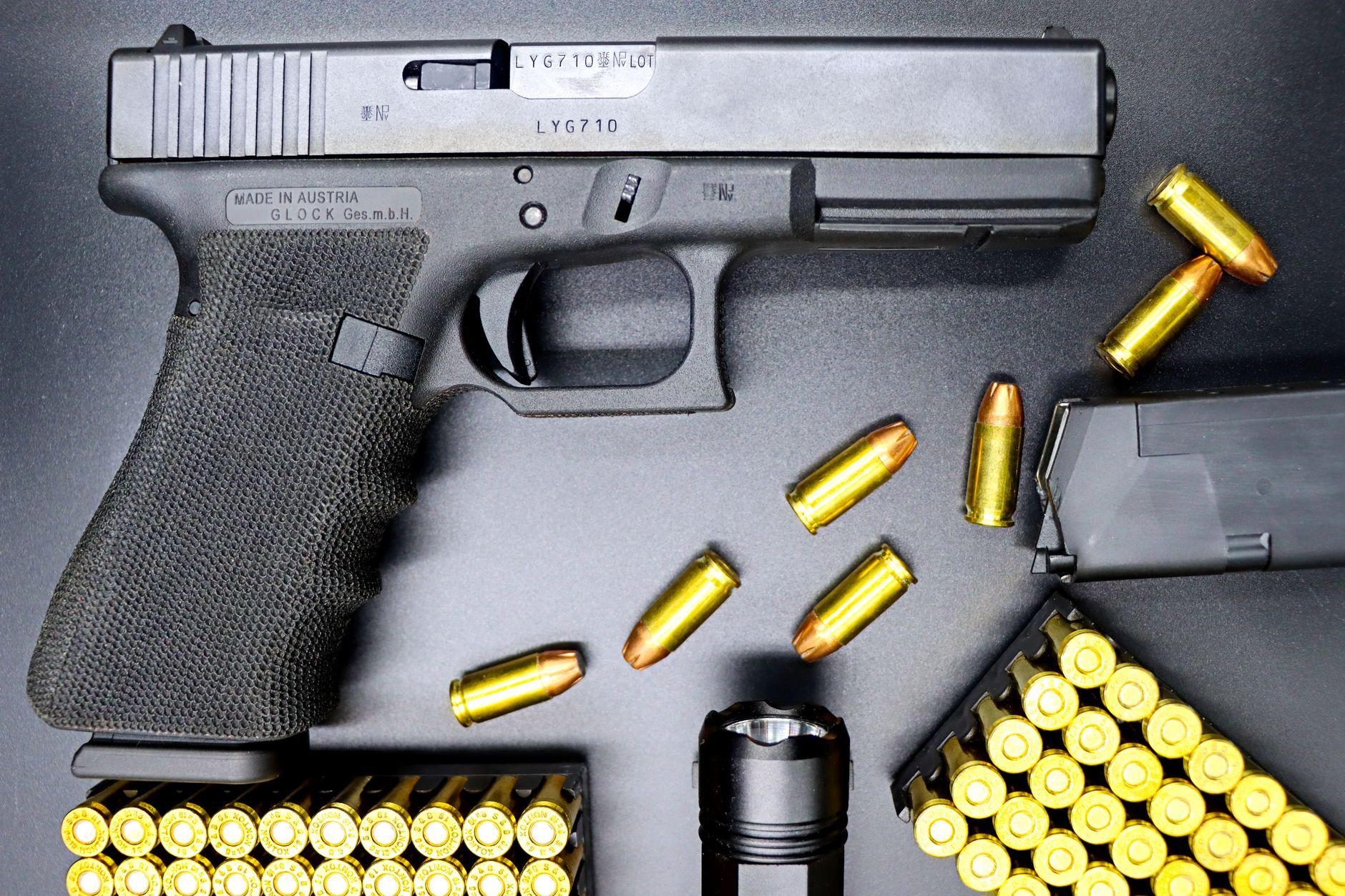
This is where 99% of Canadian handgun owners live. Restricted handguns include most modern pistols—your Glocks, your CZs, your Berettas. You need an RPAL to own one, and here's the critical part that trips people up: you must be a member of an approved shooting club or have a firearms instructor certification to legally acquire a restricted handgun.
This club membership requirement isn't bureaucratic busywork—it's written into the Criminal Code. You can't just walk into a gun store with your RPAL and buy a restricted pistol. The dealer will ask for proof of club membership before the sale goes through. Membership at clubs affiliated with the Canadian Shooting Sports Association (CSSA) or local ranges works. Some provinces have regional variations, so check with your provincial firearms officer, but most mainstream clubs qualify. Membership typically costs $200 to $400 annually.
Once you own the restricted handgun, you can't carry it for personal protection. You can store it at home (locked, unloaded, with ammunition separate), transport it directly to the range or gunsmith, or take it to an approved event. That's it. Restricted firearms come with transport restrictions that are actually enforced.
Prohibited Handguns (Off the Table)
Don't bother. Prohibited handguns include anything with a barrel shorter than 105mm and anything chambered in .25 or .32 caliber. A few legacy owners hold grandfathered prohibited weapons, but new acquisitions are illegal. Most modern pocket pistols and anything that looks like a compact self-defense gun falls here. Canada's handgun definition is effectively anything with a barrel under 105mm, which rules out most carry-sized pistols you'd see south of the border.
The Registration Process
Once you've found the handgun you want and confirmed club membership, the dealer handles the paperwork. They submit a Firearm Acquisition Certificate (FAC) application on your behalf to your provincial firearms office. This takes two to four weeks. The dealer holds the gun while you wait. When approval comes back, you complete the purchase, and the dealer registers it in the Canadian Firearms Registry under your name and RPAL.
You'll receive registration paperwork. Keep it safe. You need proof of registration if you're transporting the handgun or if police stop you. The registry is provincial, so if you move provinces, you'll need to update your registration or re-register in your new province.
Best First Handguns Available in Canada (With Real Prices)
Glock 17 Gen 5 — The obvious choice and the right choice for most people starting out. It's reliable, ergonomic, and the aftermarket support in Canada is solid. You can find them at any major dealer for $650 to $750. If you're asking "what should I buy," buy this.
CZ Shadow 2 — A genuinely excellent handgun and my personal recommendation if you're serious about sport shooting. The ergonomics are better than the Glock, the trigger is factory-excellent, and it's built to run. Budget $1,200 to $1,400. It's expensive but it's worth it.
Beretta 92FS — A classic that still works. It's softer shooting than the Glock, the safety is intuitive, and it's been proven in serious use. Prices run $700 to $850. Slightly more expensive than the Glock for no practical advantage, but if you want it, it's available.
Smith & Wesson M&P9 M2.0 — Solid mid-range option. Comparable to the Glock in reliability, slightly better ergonomics for smaller hands, $650 to $750. It's a competent choice that doesn't get enough attention in Canada.
Ruger Security-9 — Budget-friendly without cutting corners. Around $600 to $700. It's not as refined as the others, but it runs reliably and shoots straight. If you're cost-conscious, it's legitimate.
What Actually Matters When You're Starting
Pick something in 9mm. You'll see cheaper ammunition, less recoil, and easier shot placement. Get your RPAL. Join a club. Take a handgun course before you buy—most Canadian clubs require it anyway and you'll shoot better from day one. Buy a handgun from an established dealer who knows Canadian law; I've seen too many people buy online from U.S. sites thinking it'll work here. It won't.
The process is designed to be intentionally slow and documented. There's no shortcut. Accept that, plan for six to eight months total, and you'll have a legal handgun that you can shoot at your club, maintain at home, and use responsibly. That's the Canadian way.