
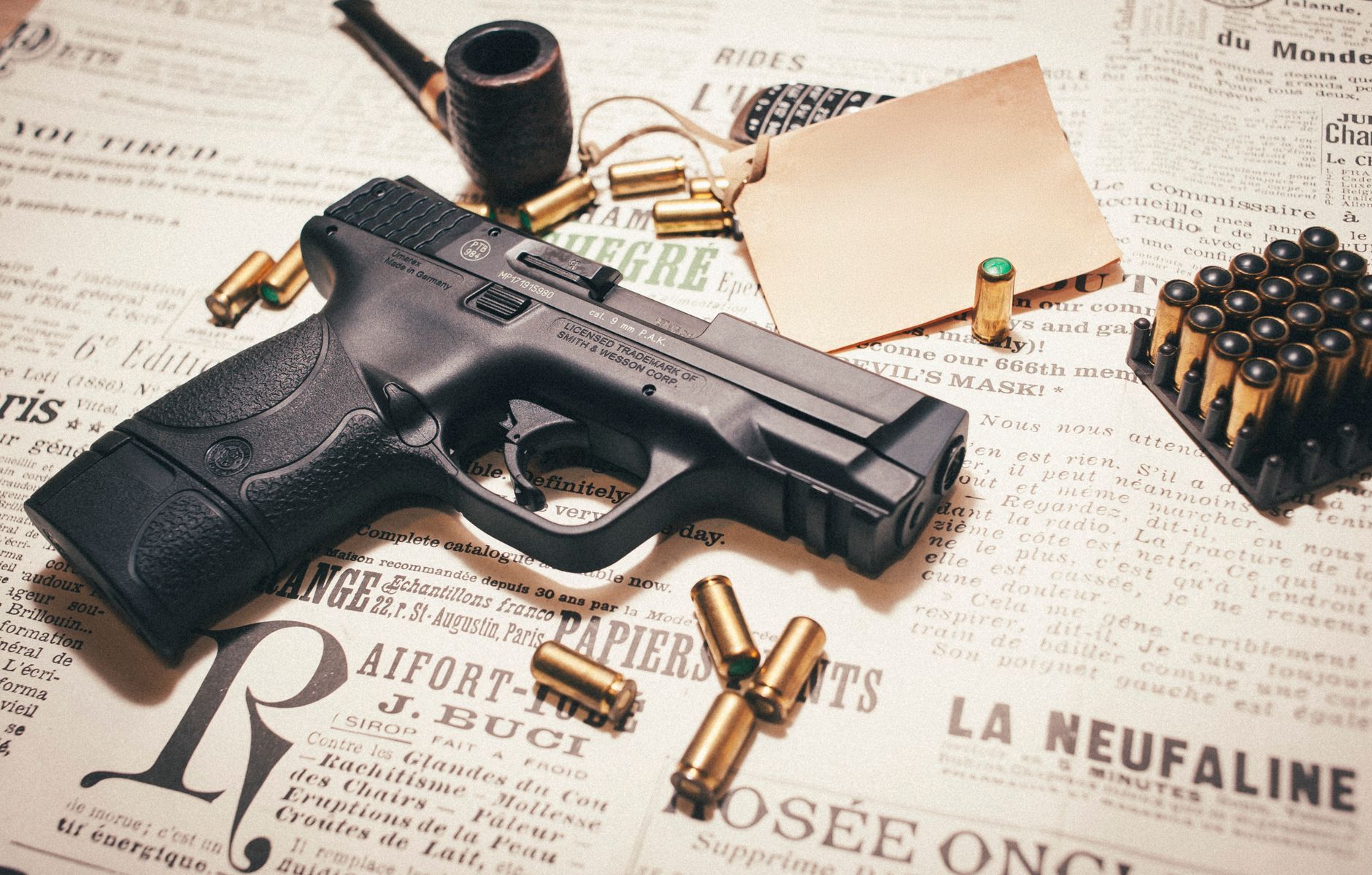
May 2023 Law Stops New Handgun Transfers to Civilians Permanently
Canada's Bill C-21 handgun transfer freeze became law on May 30, 2023. The government's October 2023 order-in-council finalized it: no civilian can legally receive a handgun manufactured after the freeze date. New production firearms cannot move to civilian owners. Ever. Dealers with full business licenses cannot restock. The inventory before the freeze date represents the final supply available to Canadian gun owners.
What actually remains legal matters for owners planning purchases, transfers, or inheritance. Pre-freeze handguns can still change hands between civilians. Dealers can sell existing inventory manufactured before October 2023. Licensed family members can inherit handguns from deceased owners. Gun owners retain possession and range use rights for all existing handguns. Registration and standard licensing still apply.
Why It Matters for Gun Owners
This freeze reshapes the Canadian firearms market immediately. Dealers report inventory moving faster as owners rush to purchase while pre-freeze stock exists. Prices climb. Selection shrinks. Once current inventory depletes, the handgun civilian market functionally closes.
For active shooters, inheritance planning becomes critical. Transferring a handgun to a licensed family member now avoids future complications when laws may tighten further. Documenting firearm serial numbers, manufacturing dates, and licensing status protects against disputes during estate settlement.
The freeze doesn't confiscate existing handguns. Licensed owners keep what they have. But the one-way door policy means replacement options vanish. A stolen or damaged handgun cannot be easily replaced through normal dealer channels. Used market prices reflect this scarcity premium.
For daily carriers and sport shooters, the message is stark: acquire what you need now, or plan to work within diminishing options. The regulatory environment continues tightening across Canada. This freeze signals the direction.
Background: How the Freeze Works
Bill C-21 imposed a hard cap on civilian handgun numbers. The October 2023 order-in-council set that cap at current inventory levels. Any handgun manufactured after that date cannot legally transfer to a civilian owner, regardless of dealer licensing or buyer credentials.
Dealers holding pre-freeze inventory can sell existing stock. They cannot order replacements from manufacturers. This creates a finite closing window. Major dealers report 60-90 day sellout timelines for popular calibers and models.
Transfers between licensed civilians remain legal for pre-freeze handguns. Family transfers, inheritance, and private sales within the licensed owner pool continue functioning. But each transfer represents movement of the same static inventory—no net increase occurs.
The freeze excludes law enforcement, military, and authorized security personnel. Government agencies can continue acquiring handguns. Civilian access stops.
DownRange Bottom Line
Bill C-21's handgun freeze is not a confiscation or ownership ban—yet. It's an inventory cap with absolute transfer restrictions on new production. Pre-freeze handguns remain moveable between licensed owners. The practical effect: the Canadian civilian handgun market enters managed decline.
Gun owners should document existing firearms, assess inheritance scenarios, and move on purchases before dealer inventory depletes. Current pre-freeze stock represents the final resupply opportunity. Once gone, replacements don't exist through legal channels.
This freeze establishes a regulatory precedent. Other restrictions often follow. Canadian gun owners need clarity on what they own, what transfers remain legal, and what options exist before closing dates arrive.