
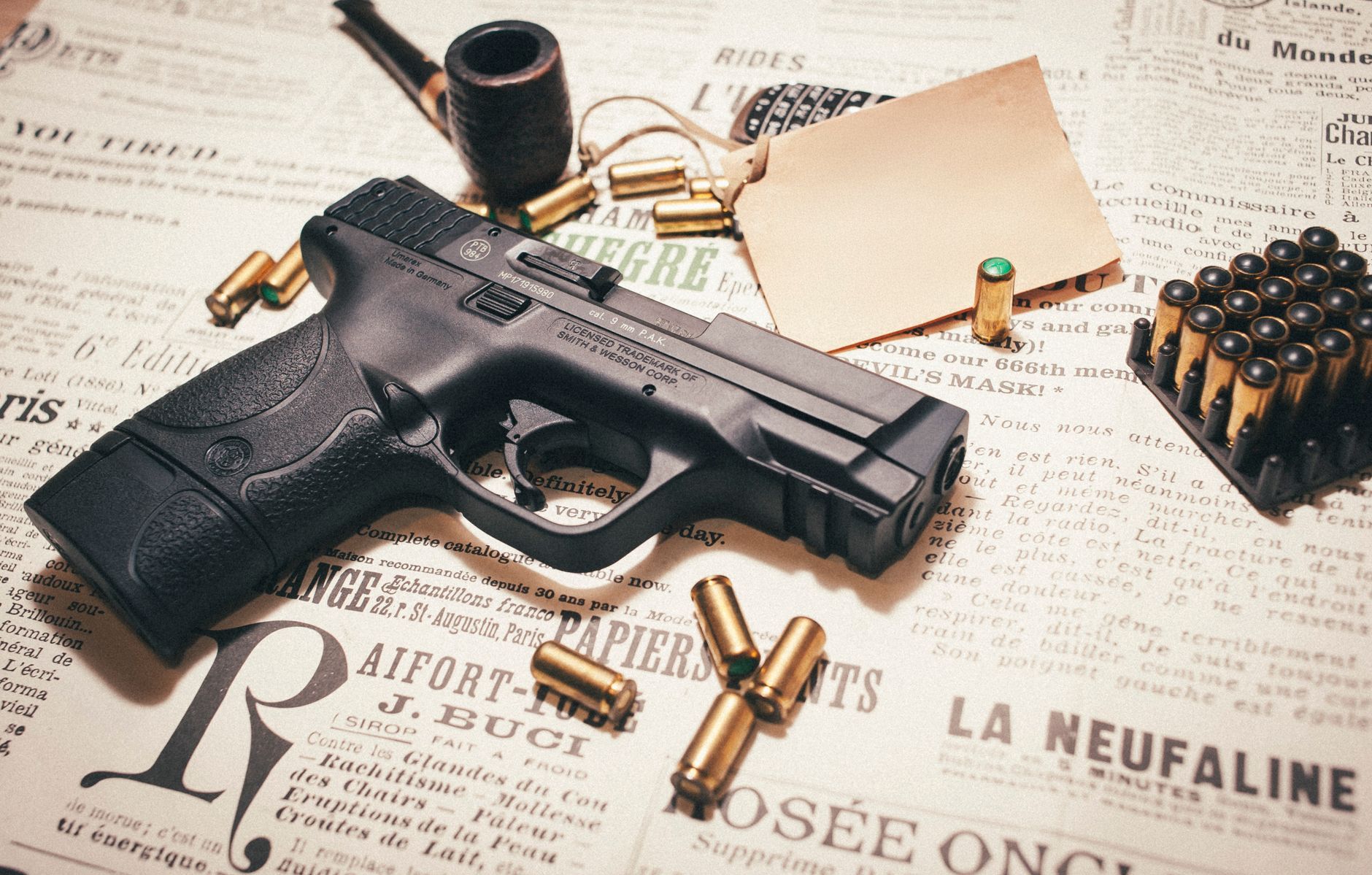
Bill C-21 Handgun Freeze: What's Actually Banned, What You Can Still Do, and Why Your Lawyer Needs To Know
The handgun transfer freeze under Bill C-21 came into force on November 30, 2023, and it's changed what you can and cannot do with a restricted firearm in ways that don't always match what people think. I've spent the last eighteen months watching licensed dealers struggle through the implementation, hearing from guys whose inheritance plans got torpedoed, and tracking what the CCFR's constitutional fight actually means on the ground. Let's talk specifics.
The Actual Prohibition
The freeze bans the transfer of any handgun—and that includes semi-automatic rifles designed to fire from the shoulder but classified as restricted—from one individual to another. Not a ban on ownership. Not a ban on possession. A ban on transfer. You keep what you have. You cannot legally give it, sell it, trade it, or pass it to anyone else, including your spouse or adult children.
The only transfers permitted under the freeze are to the Crown. You can surrender a handgun to the RCMP or a licensed dealer acting on behalf of the Crown, and that's legal. Dealers can still take in guns and sell them back to the Crown as part of the voluntary buyback program. But private-to-private transfer is finished.
What Dealers Lost
Licensed firearms dealers in Canada—particularly those who built their business on restricted-class inventory—took a direct hit. A dealer with a Class A or Class B license can no longer purchase handguns from individuals or conduct secondary-market sales between private owners. They can still import new handguns and sell them directly to someone with a valid Restricted Possession and Acquisition Licence (PAL), but only until their existing inventory sells out or gets turned in to the Crown.
What this means: many dealers have voluntarily surrendered their restricted inventory to the Crown through the buyback. Others are running down stock they'll never replace. The secondary market—which had always been where people bought used Glocks, Smith & Wessons, and Rugers at realistic prices—is dead. If you want a handgun now, you're buying new from whatever dealer still has import permits and stock. Prices have stayed high because supply can't rebalance with demand.
A dealer friend in Ontario told me his restricted revenue dropped 67 percent inside four months. He kept his license active in case the freeze gets overturned, but he's not holding inventory anymore. That math doesn't work.
Inheritance: Where the Real Damage Sits
This is the one that gets people genuinely angry. If you own a handgun and you die tomorrow, your executor cannot transfer that handgun to your spouse, your adult child, or your estate beneficiary—even if they hold a valid Restricted PAL. The gun must be surrendered to the Crown within a specified timeframe. Your inheritance becomes a government acquisition.
That's why you need a lawyer familiar with firearms law right now. Some estates have tried creative workarounds—having the executor become a licensed dealer, having the recipient take custody as an "agent"—and those approaches have grey-area legal standing. The safest option legally is surrender, which means the estate receives nothing.
If you own restricted firearms and have a spouse or children who shoot, you need a written plan. Some owners have chosen to surrender their handguns voluntarily rather than create an inheritance problem. Others are documenting everything—PAL status, authorization letters, Safe Storage certificates—so that if a court challenge succeeds, the transfer paperwork can be filed immediately.
CCFR's Constitutional Challenge
The Canadian Coalition for Firearm Rights filed a constitutional challenge against Bill C-21 in Federal Court. The CCFR argues the transfer freeze violates the Canadian Bill of Rights, specifically Section 1, which protects the right to enjoyment of property. The Crown's ability to freeze transfers without compensation is their core complaint.
The case has moved slowly. Discovery completed in 2024. Motions for summary judgment are pending. We're probably looking at 2025 or 2026 before there's a substantive ruling, and then appeals after that. Even if the CCFR wins at the Federal Court level, the government will appeal. This isn't a fast-moving track.
What matters right now: the challenge is real and funded, there are legitimate constitutional arguments, and if it succeeds, it creates a pathway to reinstate transfers. But you cannot rely on this. You need to act as if the freeze is permanent.
Conservative Opposition and Federal Election Implications
The Conservative Party, under Pierre Poilievre, has committed to repealing Bill C-21 entirely if they win federal office. That's not a rumor—it's documented party policy. The repealment would have to pass Parliament. A Conservative majority could do it. A Conservative minority government might struggle with NDP and Bloc votes depending on how they're positioned.
The next federal election is no later than October 2025. Polls put the Conservatives ahead, but elections aren't won until votes are counted. If you're banking on repeal through electoral change, you're making a bet with a 12 to 24-month timeline and uncertain odds.
What You Need To Do Now
- Document your collection. Photograph every gun you own with serial numbers visible, your PAL, and any authorization documents. Store this digitally and on paper. If transfer becomes legal again, you'll need proof of ownership.
- Review your estate plan with a lawyer. Ask specifically about restricted firearms. Do not assume they can transfer. Write down what you want to happen and discuss options.
- Do not attempt private transfers. Trading a handgun to a buddy, selling to a family member, giving a gun to your spouse—all illegal under the freeze. The penalties include criminal charges and firearm seizure.
- Keep your Restricted PAL current. A valid PAL is the only credential that matters if the freeze reverses. Let it expire and you'll need to reapply, which takes months.
- Do not surrender guns hoping for refunds. The buyback is not generous. You get a fraction of market value. Surrender only if you've genuinely decided not to own handguns.
- Stay informed about the CCFR case. Court documents are public. Follow the motion schedule. If there's a win at trial, that's when you move on inheritance restructuring.
The Practical Reality
Bill C-21's transfer freeze is law. It's enforceable. The RCMP and provincial firearms officers understand it. Dealers operate under it. The CCFR challenge is legitimate but slow. Electoral change is possible but not guaranteed. Your job is to manage your collection and your estate within the current legal framework while staying positioned to act fast if circumstances change.
That's not pessimism. That's how you keep your rights intact and your family clear of legal problems.