
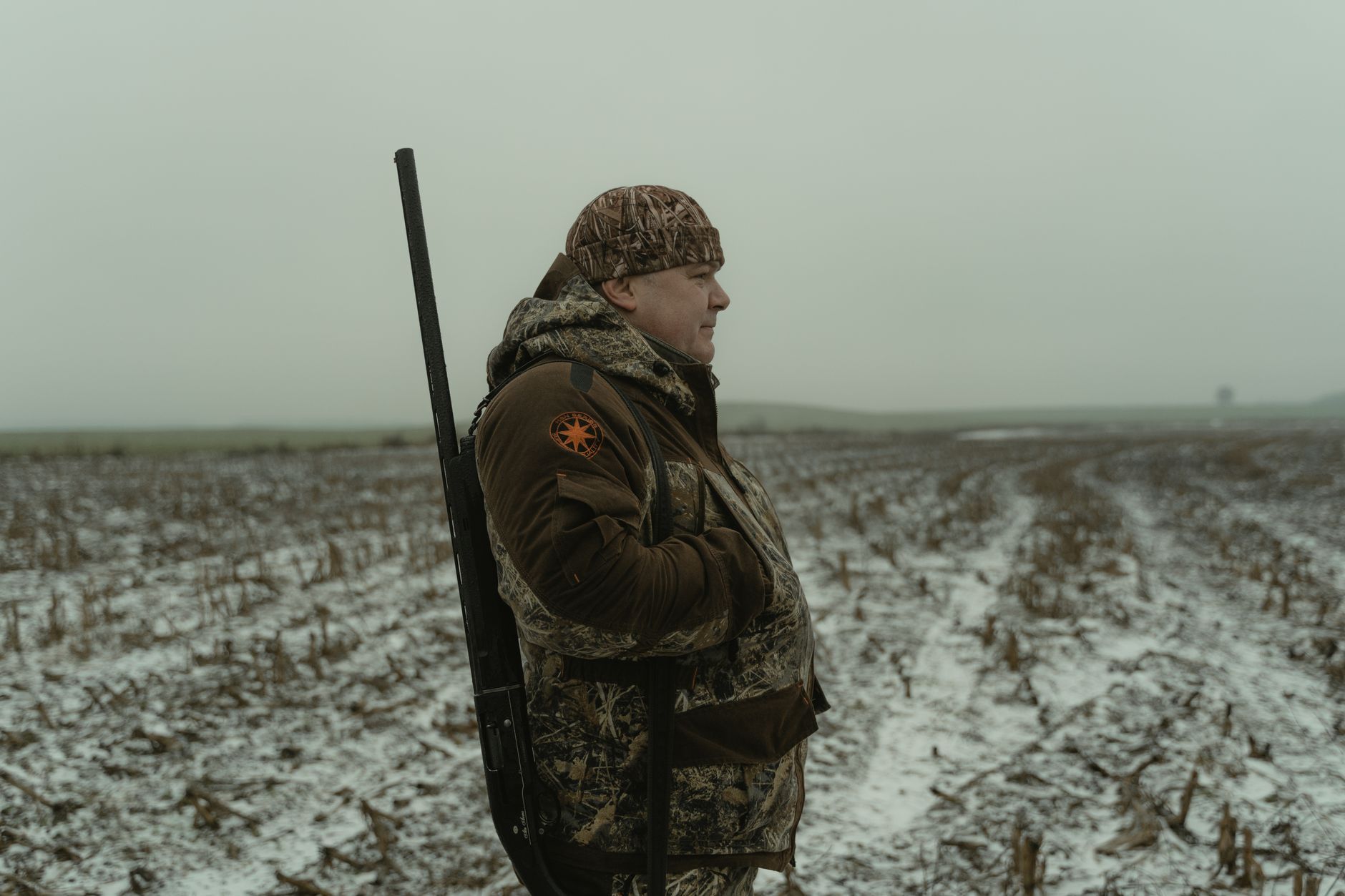
Section 108 Criminal Code Exempts Indigenous Hunters from PAL Requirement
Indigenous gun owners in Canada operate under fundamentally different firearms rules than non-Native citizens, and that difference runs straight through a legal minefield. The Criminal Code Section 108 explicitly exempts Indigenous peoples from the Possession and Acquisition Licence requirement when hunting for food according to traditional practices and band regulations. But here's the problem: the Firearms Act doesn't clearly mirror this exemption, creating a two-tier system where provincial interpretation decides whether you get hassled at the range or allowed to hunt unmolested.
The core tension is brutal and simple. The Firearms Act mandates a PAL to own, transport, or use firearms. Treaty rights predate that act by centuries. Courts have repeatedly ruled the Crown cannot erase those rights through regulation. Yet on the ground, Indigenous gun owners still get denied licenses or harassed because provincial firearms officers don't understand their own exemptions.
Why It Matters for Gun Owners
This isn't academic law. It affects how you hunt, travel with firearms, and whether you face criminal charges for exercising rights older than Canada itself. If you're Indigenous and live in a province that doesn't explicitly recognize Section 108, you're gambling every time you carry a rifle to your family hunting grounds.
Non-Indigenous gun owners need to understand this because it reveals how firearms law works in practice versus on paper. If provincial officers can ignore federal exemptions for Indigenous hunters, what other regulations are being selectively enforced? The two-tier system also creates leverage for Crown prosecutors. They can charge an Indigenous hunter under the Firearms Act while the Section 108 defense plays out in court—a process costing thousands in legal fees and years of court time.
Some provinces get it right. Ontario's Fish and Wildlife Conservation Act explicitly recognizes Indigenous hunting rights without requiring a firearms license. British Columbia's Wildlife Act does the same, mostly. But Alberta, Saskatchewan, and other provinces force Indigenous hunters to either obtain a PAL or litigate. Most don't have the resources to fight in court.
Background on the Legal Framework
Section 108 exists because Indigenous peoples have established, proven hunting traditions documented in treaty agreements and Aboriginal rights law. The Supreme Court of Canada has affirmed these rights multiple times. The exemption isn't a privilege—it's recognition of pre-existing legal status. But the Firearms Act, passed in 1995, created confusion by not explicitly cross-referencing Section 108 or directing provinces how to implement it.
The result: inconsistent provincial regulations. Some provinces have written exemptions for Indigenous hunters. Others simply don't address it, leaving individual licensing officers to make judgment calls. Indigenous gun owners smart enough to document their band affiliation and traditional hunting territory sometimes still get challenged. Those without written band hunting codes face outright denials.
The strongest defense is a letter from your band council confirming your status and hunting rights. Some Indigenous hunters carry written proof of Section 108 alongside their band documentation. But requiring Indigenous peoples to carry special paperwork to exercise treaty rights while non-Indigenous hunters simply show a PAL underscores how the legal system still treats Indigenous gun ownership as exceptional rather than protected.
DownRange Bottom Line
Know your province's regulations. If you're Indigenous and hunt, get written confirmation from your band council and carry Section 108 documentation. The law is on your side, but the system hasn't caught up. Non-Indigenous gun owners should recognize this as a warning: firearms law is enforced unevenly, and that affects all of us.