
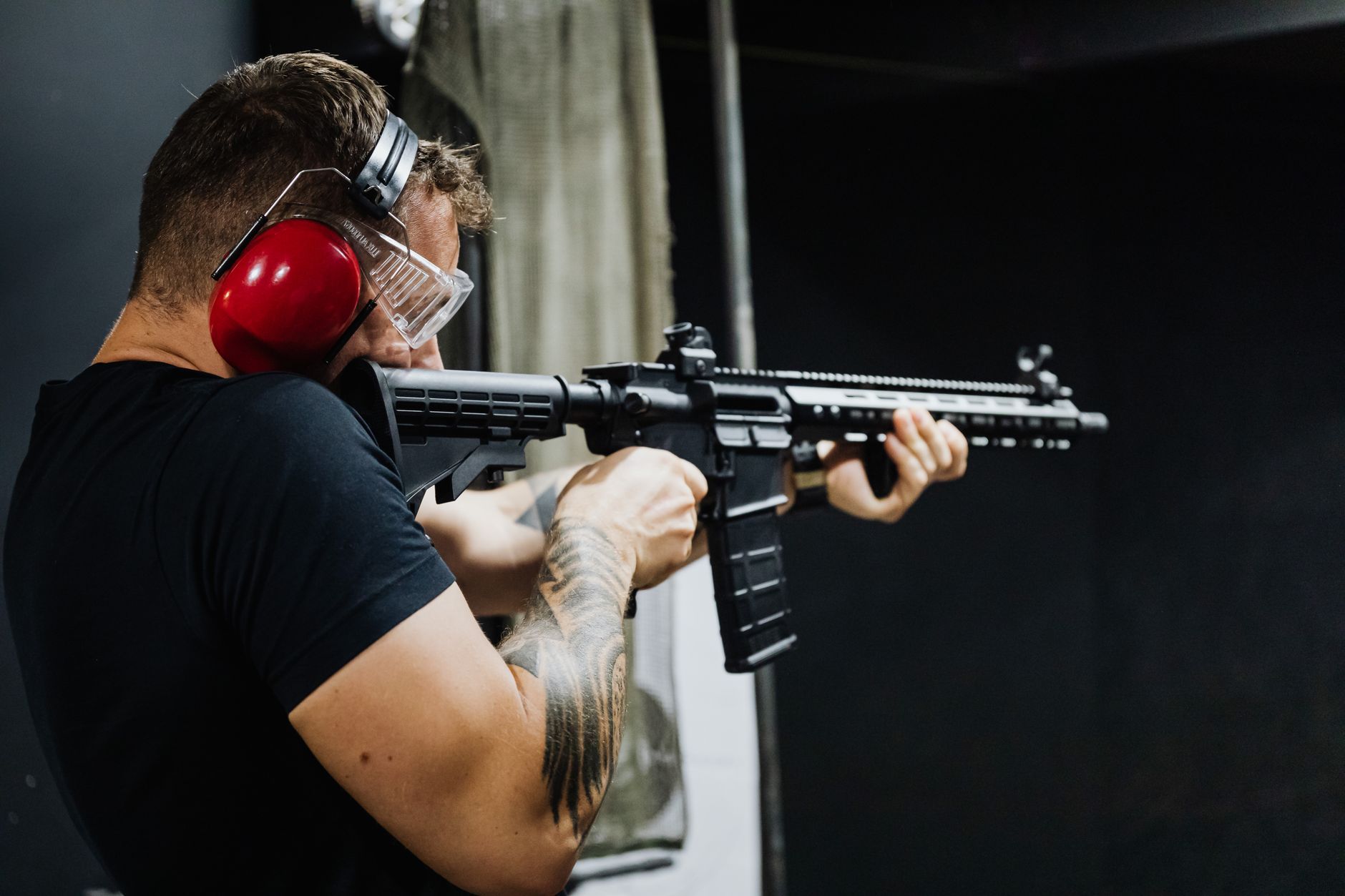
What Semi-Automatic Rifles You Can Still Legally Own in Canada—And Why the AR-15 Isn't One of Them
The May 2020 Order in Council banned the AR-15 platform overnight. Full stop. If you owned one before that date, you could keep it under the grandfathering rules—but you couldn't shoot it, sell it, or transfer it to anyone. As of now, roughly 108,000 prohibited firearms sit locked in Canadian safes, worthless on the open market and untouchable under law. I've talked to owners who spent $3,000 on a rifle that became a paperweight. That's the reality we're dealing with.
What people don't always understand is that the ban wasn't random. The OIC targeted specific makes and models: the AR-15 (all variants), the M16, the M4, the VZ 58, the Beretta CX4 Storm, and a handful of others. But the government left loopholes—intentionally or not—that still let Canadian shooters own semi-automatic centerfire rifles. I want to be clear about what's legal, what's not, and why manufacturers are scrambling to fill the gap with compliant alternatives.
The Rifles That Survived the Ban
The Ruger Mini-14 Ranch is still legal. I own one. It fires 5.56 NATO, holds up to 20 rounds in a factory magazine, and cost me $750 three years ago. The OIC specifically excluded it by name. Same goes for the Ruger Mini-30, which chambers 7.62x39—the Soviet cartridge. These rifles do the same job an AR-15 does, but they look different, so they stayed off the ban list.
The SKS is still legal too. Millions of these Yugoslavian, Russian, and Chinese rifles came into Canada over decades. Semi-automatic, fixed 10-round internal magazine, fires 7.62x39. You can hunt with it. You can target shoot. It's not fancy, but it works. I see them at gun shows for $300 to $500.
Then there's the Springfield M1A—but here's where it gets technical. The M1A itself isn't prohibited, but the stock matters. If it has a thumbhole stock or certain features that the RCMP interprets as making it function like an AR-15 variant, it could be deemed prohibited. Most Canadian gunsmiths now sell M1A rifles in what's called a "non-restricted configuration"—which means a traditional fixed stock, no pistol grip, and stripped-down ergonomics. Springfield Armory Canada's distributor network has adapted their product line to move these compliant versions.
The Mossberg MVP Patrol comes in .308 Winchester and is semi-automatic. It's not prohibited. Neither is the Savage Model 10 or most bolt-action rifles—but bolt-action doesn't appeal to everyone. The point is there are options, they're just not the popular ones.
Grandfathered Prohibited Firearms: A Legal Cage
If you owned a prohibited rifle before May 1, 2020, you got a grace period. The government issued new Possession and Acquisition Licenses (PALs) with a "grandfather" notation that lets you keep the rifle for life—but with massive restrictions.
- You cannot use it. No shooting, no hunting, no transport to a range.
- You cannot sell or transfer it. Not to a friend, not to a gun shop, not to your kid when you die. It expires with your license or when you turn it over to police.
- You must store it in a specific way. Locked, unloaded, and ammunition stored separately—just like any restricted firearm.
- Transport is illegal except to a gunsmith for repair or to police for surrender or deactivation.
This isn't ownership in any practical sense. A grandfathered AR-15 is a liability. Many owners have chosen to surrender them to police buyback programs rather than deal with the legal complexity. The RCMP's amnesty periods have seen thousands of prohibited firearms turned in.
How Manufacturers Are Adapting
Canadian gun makers and distributors have gotten creative. They're selling AR-15 uppers and lowers separately, claiming the firearm isn't "assembled" and therefore isn't technically prohibited—but that's a gray area that changes based on which RCMP firearms officer reviews your PAL. Don't go down that road.
Smyth Builtins, a Canadian manufacturer, has been selling the Anvil Arms Valkyrie—a semi-automatic rifle that technically isn't prohibited because it doesn't match the specific definition in the OIC. It chambers .308 Winchester and has an AR-platform ergonomic layout, but the receiver geometry differs enough that some legal opinions say it's a different firearm. The RCMP hasn't formally prohibited it, but plenty of CFOs (Chief Firearms Officers) have denied licenses for them. This is the legal gray area where Canadian shooters are living right now.
Ruger has increased distribution of the Mini-14 Ranch in Canada. Savage Arms Canada is pushing the MSR 10 Long Range—a modern semi-automatic that's not on the prohibited list. These manufacturers know there's demand, and they're filling it with rifles that pass legal scrutiny.
The Reality for Canadian Gun Owners
If you want a legal semi-automatic centerfire rifle in Canada today, you have options. They're not the AR-15. They're not the cheap, modular platforms Americans take for granted. But the Mini-14, the SKS, and compliant M1A rifles work. They shoot straight. They're reliable.
The grandfathering rules exist, but they're useless in practice. Your prohibited rifle can't leave the safe. It can't be shot. It can't be passed on. If the government's goal was to remove these firearms from circulation, the grandfathering clause just delayed the inevitable.
Know the law. Know what your CFO will approve. Don't assume gray-area firearms are legal just because they haven't been explicitly banned yet. Talk to a licensed gunsmith or a lawyer who specializes in firearms law before you buy. And if you've got a grandfathered rifle sitting in your safe, understand what you're legally responsible for. That matters in Canada.