Biometric Trigger Locks Now Beat Safes for Fast Access
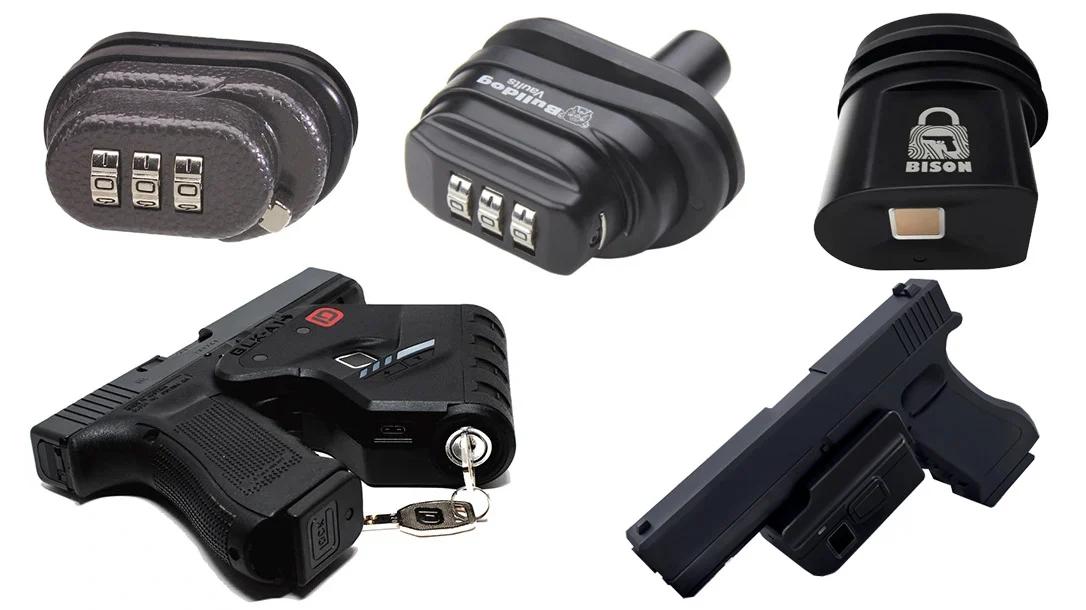
Gun owners face a hard choice: secure a firearm to prevent unauthorized access, or keep it ready for the moment it's needed. Trigger locks have evolved past basic cable designs. Today's models—especially biometric variants—unlock in fractions of a second while keeping firearms inaccessible to children and thieves when holstered or stored. The market now offers traditional combination locks, mechanical designs, and fingerprint-activated systems that read biometric data faster than fumbling with a safe combination.
Key Details
Speed matters: Biometric trigger locks deploy in under one second. Combination locks require manual input, adding critical delay. Security layers: Modern designs prevent casual access while still allowing rapid deployment by the owner. Form factors: Options range from cable-style restraints to compact units that don't obstruct holster fit or reholstering. Some models integrate with existing carry gear; others fit universally across calibers and platforms.
Why It Matters for Gun Owners
Responsible carry includes childproofing and theft prevention—federal law doesn't mandate trigger locks, but civil liability and state safe-storage rules push toward securing firearms when off-body. A trigger lock solves the access problem a loaded chamber lock or safe cannot: it keeps your gun ready and secured simultaneously. Gun owners with children or shared living spaces need this trade-off resolved. Carriers who store firearms in vehicles or nightstands can't afford the 30 seconds a safe takes to open during a threat. Biometric systems eliminate the combination-vs.-speed conflict entirely. Cost ranges from $50 for mechanical locks to $200+ for biometric models—cheaper than a home safe and faster than any gun safe on the market.
DownRange Analysis
Trigger locks sit in a legal gray zone. Most states don't require them for stored firearms—safe storage laws specify safes, locked cases, or combination locks. But smart gun owners recognize this isn't a regulatory question; it's a liability question. A trigger lock that fails or delays access during a defensive shooting creates both legal exposure and real danger. Buy from manufacturers with verifiable failure rates and customer returns data. Biometric models demand consideration only if the manufacturer proves battery life and false-rejection rates under stress. Test any lock you carry before relying on it in an actual emergency. Don't trust marketing claims about speed—time it yourself.