Optics, Bipods, and Triggers Matter More Than New Cartridges
Rifle accuracy depends far less on ammunition than industry marketing suggests. Real performance gains come from six specific tool categories that directly address shooter control, sight picture stability, and environmental data collection. Most carriers and hunters leave measurable accuracy on the table by focusing solely on cartridge selection while ignoring the equipment that actually locks shots downrange.
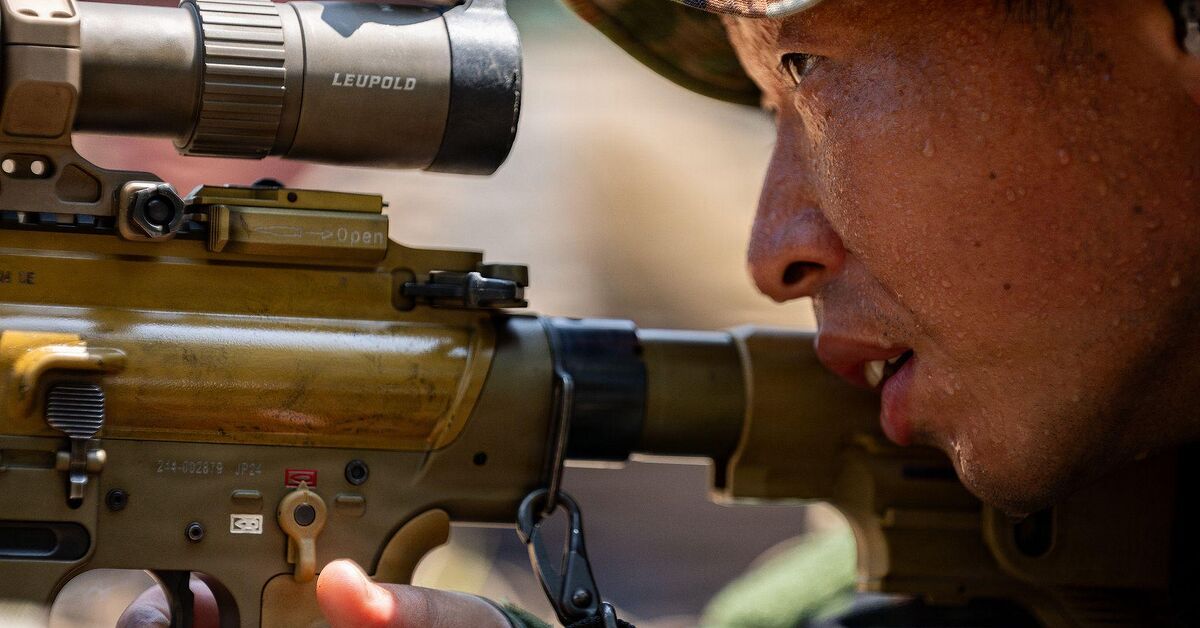
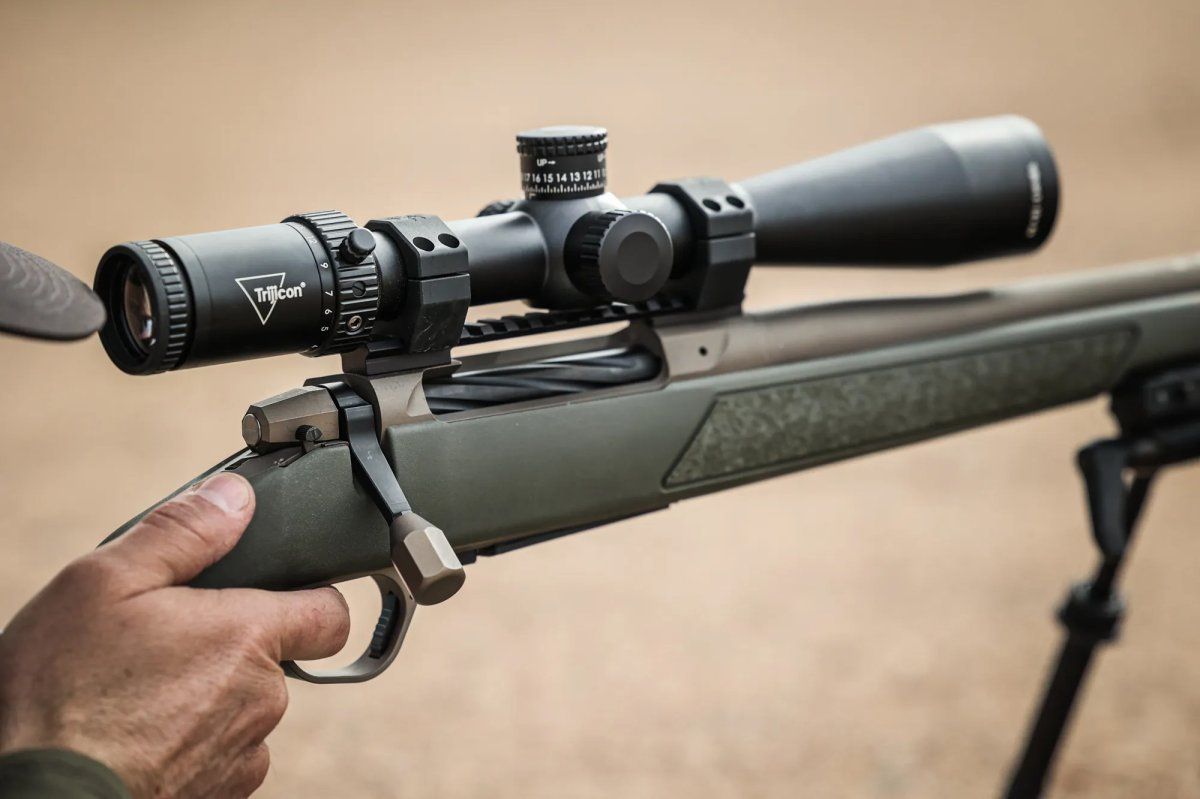
The industry pushes magnum cartridges and high-ballistic-coefficient bullets quarterly. Meanwhile, shooters who invest in proper optics, bipods, suppressors, ammunition storage systems, ballistic software, and refined trigger mechanisms see immediate, repeatable improvements. A quality 1-6x optic on a 5.56 NATO beats a mediocre 3-9x on a brand-new magnum round. Every time.
Why It Matters for Gun Owners
Daily carriers and competition shooters operate with limited budgets. Spending $600 on a new cartridge platform yields less return than $400 on glass and $200 on a quality bipod. Field testing proves this repeatedly across hunting seasons and precision matches.
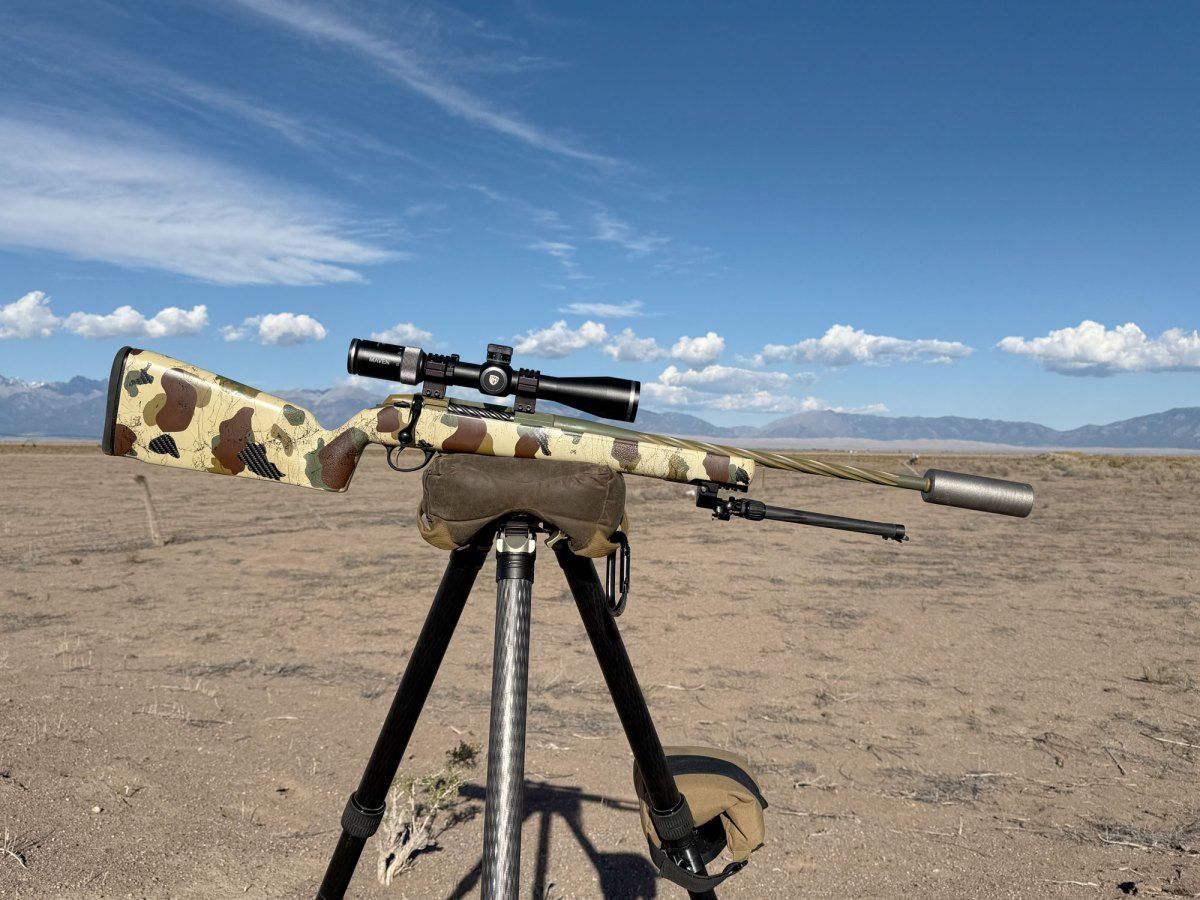
Suppressors reduce report signature and recoil impulse, directly improving follow-up shot accuracy. A stable shooting position—enabled by quality bipods and bags—cuts group size more than any ballistic table. Trigger control feedback mechanisms teach shooters what clean breaks actually feel like. Ballistic software removes guesswork from wind and elevation holds. Ammunition storage systems protect consistency by preventing moisture damage to powder and primers.
Hunters gain practical advantages immediately. A suppressed rifle with quality glass and a stable rest performs better in field conditions than any magnum lacking these tools. Precision shooters and competitors see score improvements within single shooting sessions after upgrading optics or triggers.
The math is simple: a $1,500 rifle platform needs $1,200+ in supporting equipment to reach 90 percent of its inherent accuracy potential. Most shooters spend $400 and wonder why three-shot groups won't tighten past two minutes of angle.
Background: Ammunition Isn't Everything
Marketing departments have conditioned shooters to believe new cartridges solve accuracy problems. Factory loads in 6.5 Creedmoor, 300 PRC, and other modern rounds certainly perform well. But a mediocre 6.5 Creedmoor load behind a poor optic and without a shooting rest shoots worse than factory 5.56 NATO paired with proper tools.
Serious marksmen discovered this truth decades ago. Competition shooters started optimizing support equipment during the 1990s precision rifle renaissance. Hunters and tactical carriers followed. The realization spread: shooter training and equipment quality trump raw cartridge performance in real-world conditions.
This analysis formalizes what experienced shooters already practice. The six-tool approach recognizes that rifle accuracy exists as a system, not a single variable. Optics capture accurate sight pictures. Triggers enable clean breaks. Bipods and bags stabilize aim. Suppressors reduce recoil signature. Software calculates ballistics. Ammunition storage preserves consistency.
DownRange Bottom Line
Audit your current rifle setup against these six categories. Most carriers operate with two or three properly equipped. Identify which tools you're missing. Prioritize glass first—a quality 2.5-8x optic on a basic rifle beats a premium rifle with department-store glass every single time.
Stop chasing new cartridges. Start building systems. Shooters who own 5-6 rifles with proper tools shoot tighter groups than shooters with 15 rifles lacking support equipment. Accuracy is built, not purchased with marketing hype. The tools exist. Use them.