First Suppressor? Here's What Actually Matters Before You Buy
Buying your first suppressor demands more than impulse. Sound reduction capability, caliber compatibility, mounting method, and federal compliance form the foundation of a smart purchase. The wrong choice wastes money or leaves you with gear that doesn't work on your rifle. Understanding these variables before you submit your Form 4 eliminates buyer's remorse and ensures you get a can that actually performs on the gun you shoot.
Key Details
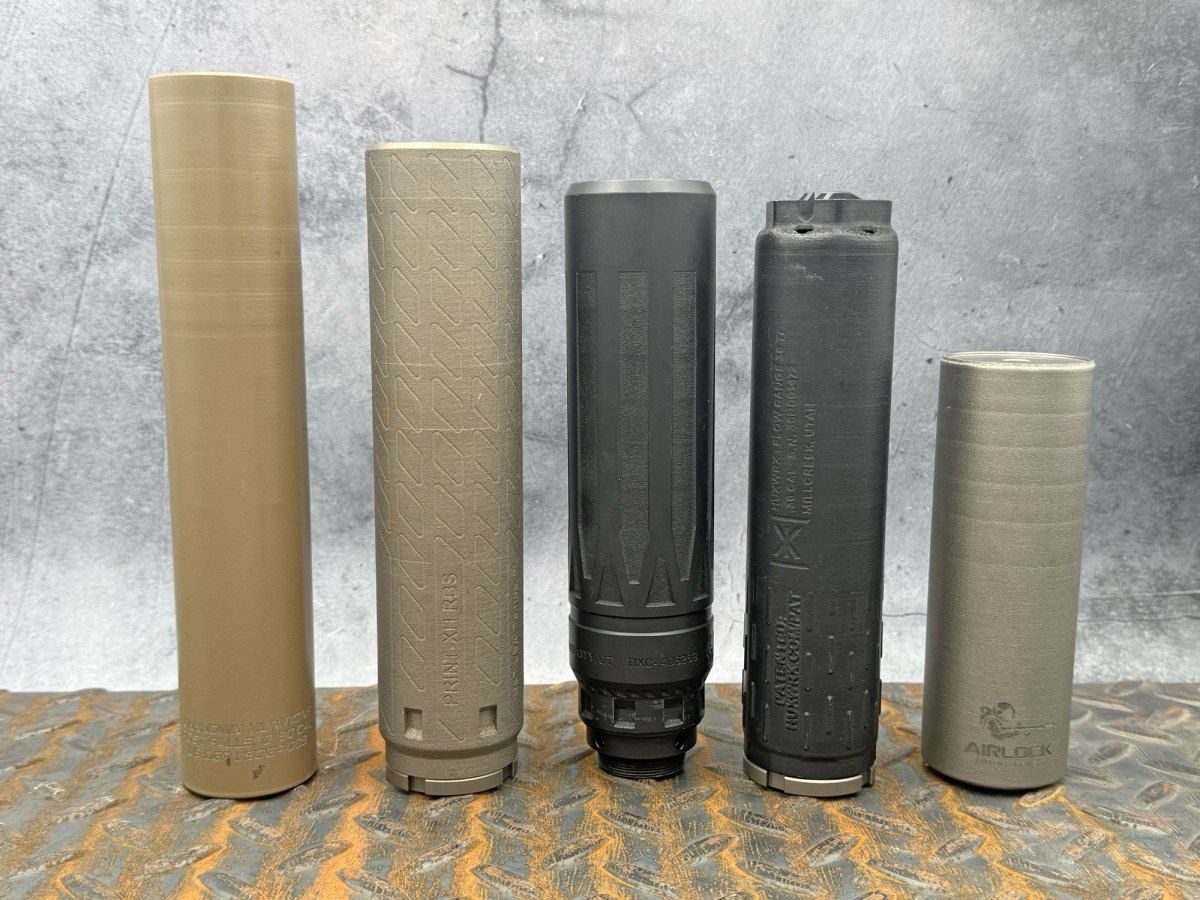
- Sound reduction varies by design: Pistol suppressors typically reduce noise by 25-35 dB; rifle cans achieve 30-40 dB depending on bore size, baffle count, and construction. Larger bore suppressors work on multiple calibers but add weight.
- Mounting systems matter: Direct-thread cans screw onto barrel threads but add length and increase POI shift. Piston systems isolate the can from barrel movement, improving accuracy consistency. Quick-detach mounts offer flexibility across multiple hosts.
- Caliber-specific vs. universal: A .30 caliber rifle suppressor works on 5.56 and 7.62 platforms but sacrifices efficiency on smaller rounds. Dedicated pistol suppressors designed for 9mm perform better than over-bored designs on that caliber alone.
- Federal compliance: All NFA suppressors require a Form 4 application, $200 tax stamp, fingerprints, and currently 90-180 day processing through your local ATF office.
Why It Matters for Gun Owners
Suppressors aren't impulse buys—they're centerfire-specific hardware that locks you into particular barrel threads, mounting patterns, and host guns. A .308 can won't work on your AR-9. A direct-thread can becomes permanently attached. Your decision today determines what you can actually run for the next decade. For hunters, noise reduction matters for hearing protection and animal behavior. For precision shooters, mounting type directly impacts group consistency and velocity ES. Competitive shooters need repeatable performance across multiple stages. Selecting wrong means a paperweight in your safe or forced re-threading of your barrel. The Form 4 tax stamp and processing time demand you research before submitting—there's no do-over if the can doesn't suit your actual shooting.
DownRange Analysis
The suppressor market splits into three tiers: budget cans ($200-350), mid-range performers ($400-700), and precision-engineered units ($800+). Most shooters find their answer in the middle. Titanium construction costs more but drops weight meaningfully on lightweight ARs. Steel cans deliver better sound reduction and durability at higher cost per ounce. Before you file your Form 4, shoot the exact gun you're buying the can for—even if you're renting at an indoor range. That experience prevents expensive mistakes. Today's processing times mean you'll wait minimum three months from submission to suppressor in hand, so plan accordingly.