An 11.8-Ounce .357 Magnum Throws 25.7 Ft-Lb of Recoil
A 135-grain Speer Gold Dot .357 Magnum load produced 25.7 foot-pounds of recoil energy in an 11.8-ounce Smith & Wesson 360 PD. The same load in a 34-ounce Model 66 produced 8.84 foot-pounds. That gap explains more about choosing between the .357 Magnum, .45 Colt, and .45 ACP than any muzzle velocity chart. GunsAmerica Digest compared all three on November 17, 2026. Robert Sadowski tested .357 defense loads and recoil, Rob Garrett chronographed .45 Colt and .45 ACP through one Ruger Blackhawk, and Tom McHale ran .45 ACP across three 1911 barrel lengths. Their conclusion: each cartridge does a different job, and the gun you carry determines how well you shoot it.
Key Details
The numbers separate these calibers fast. Use the list below as your reference.
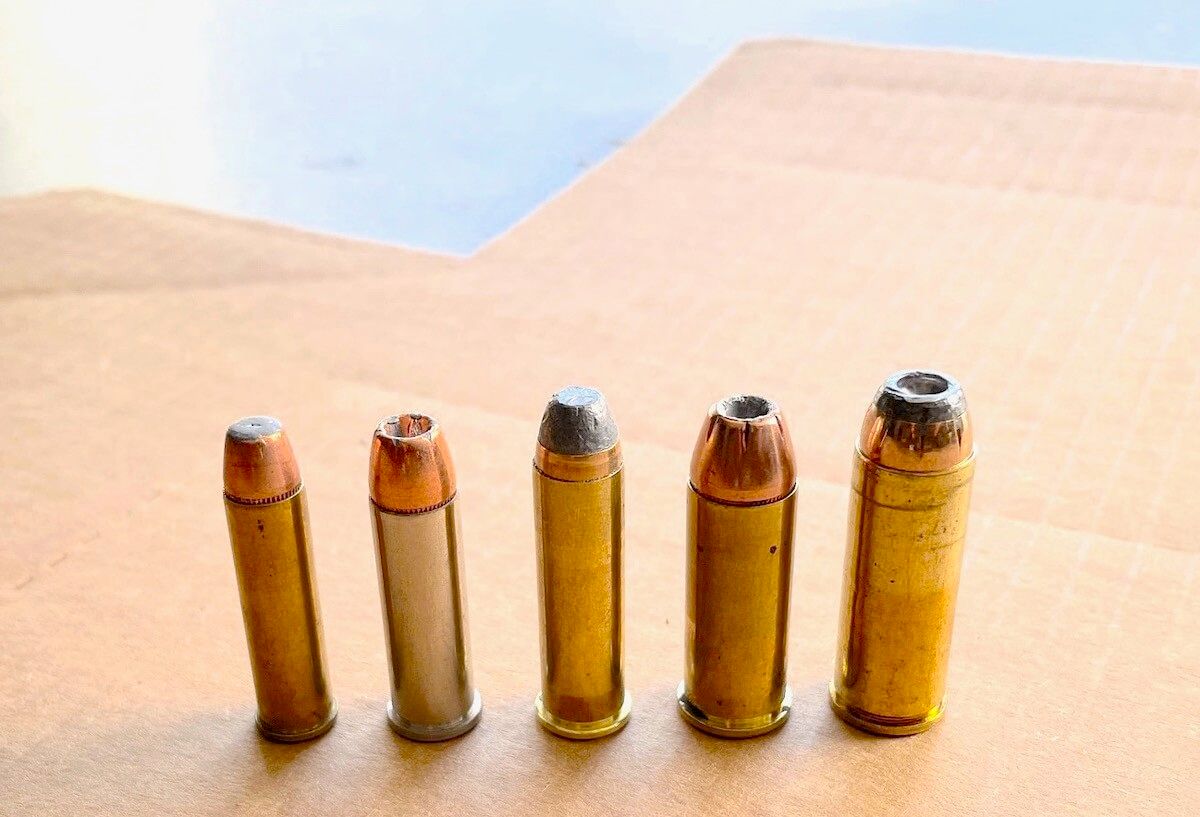
- .357 Magnum: .357-inch bullets, typically 110 to 180 grains. Sadowski favors 125 and 158 grain loads for defense. He lists a 35,000 psi SAAMI maximum, roughly double the 17,000 psi of .38 Special.
- .45 Colt: bullets typically 225 to 270 grains. Factory loads range from mild 800 fps cowboy ammo to heavy loads near 1,500 fps, which only strong modern guns should handle. No published SAAMI figure appears in that coverage.
- .45 ACP: .451 to .452-inch bullets, typically 185 to 230 grains. Listed at 21,000 psi.
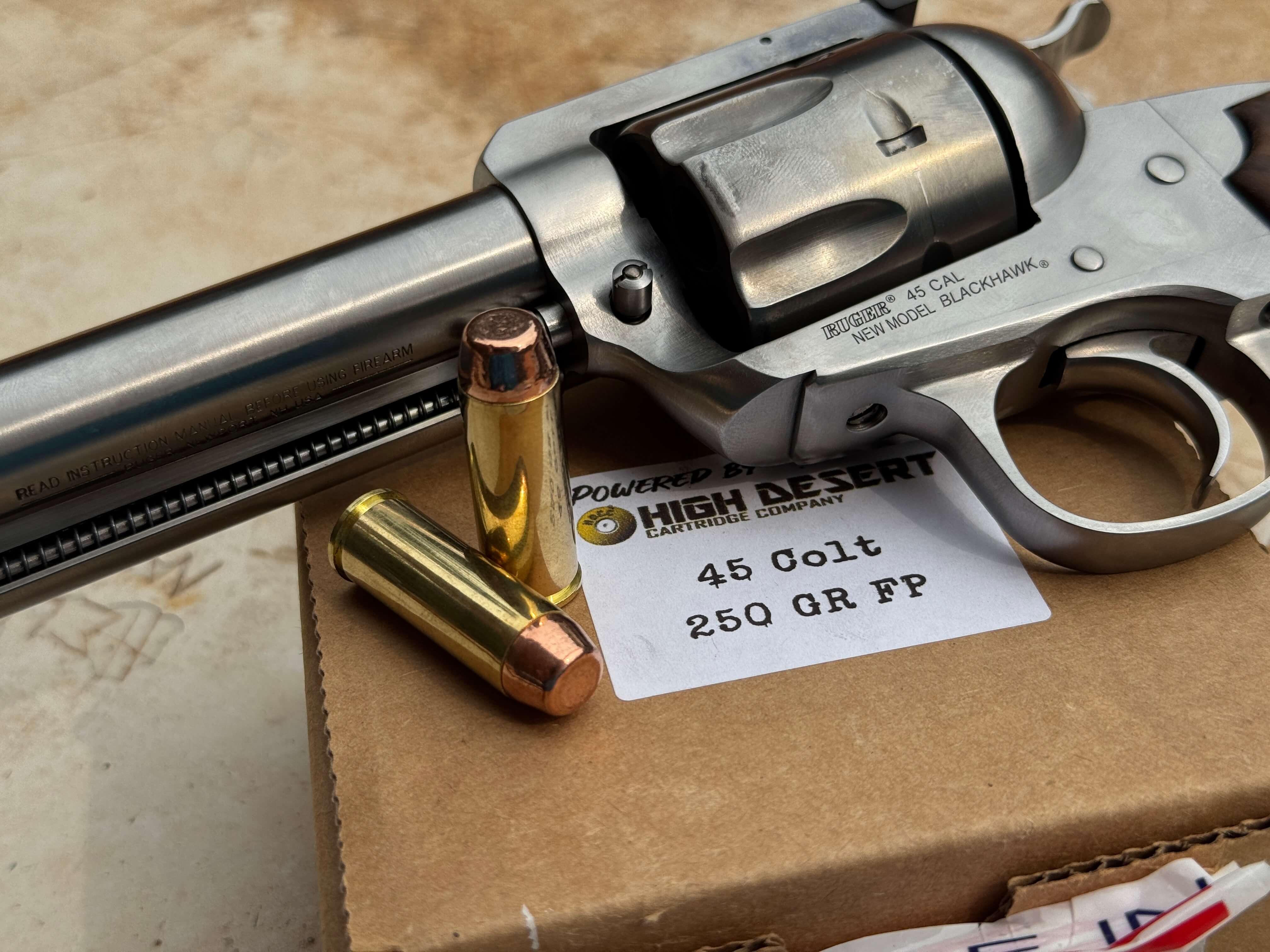
- Blackhawk chronograph: High Desert 250-grain .45 Colt hit 746 fps with a 4-inch group. High Desert 230-grain .45 ACP ran 932 fps with a 4.25-inch group. Lost River's 270-grain Keith semi-wadcutter .45 Colt reached 936 fps.
- Recoil math: McHale's figures put a 230-grain .45 ACP at 900 fps and 7.25 ft-lb from a 40-ounce gun.
- Barrel length: A 3-inch S&W 1911 averaged only 56.7 fps slower than a 5-inch gun.
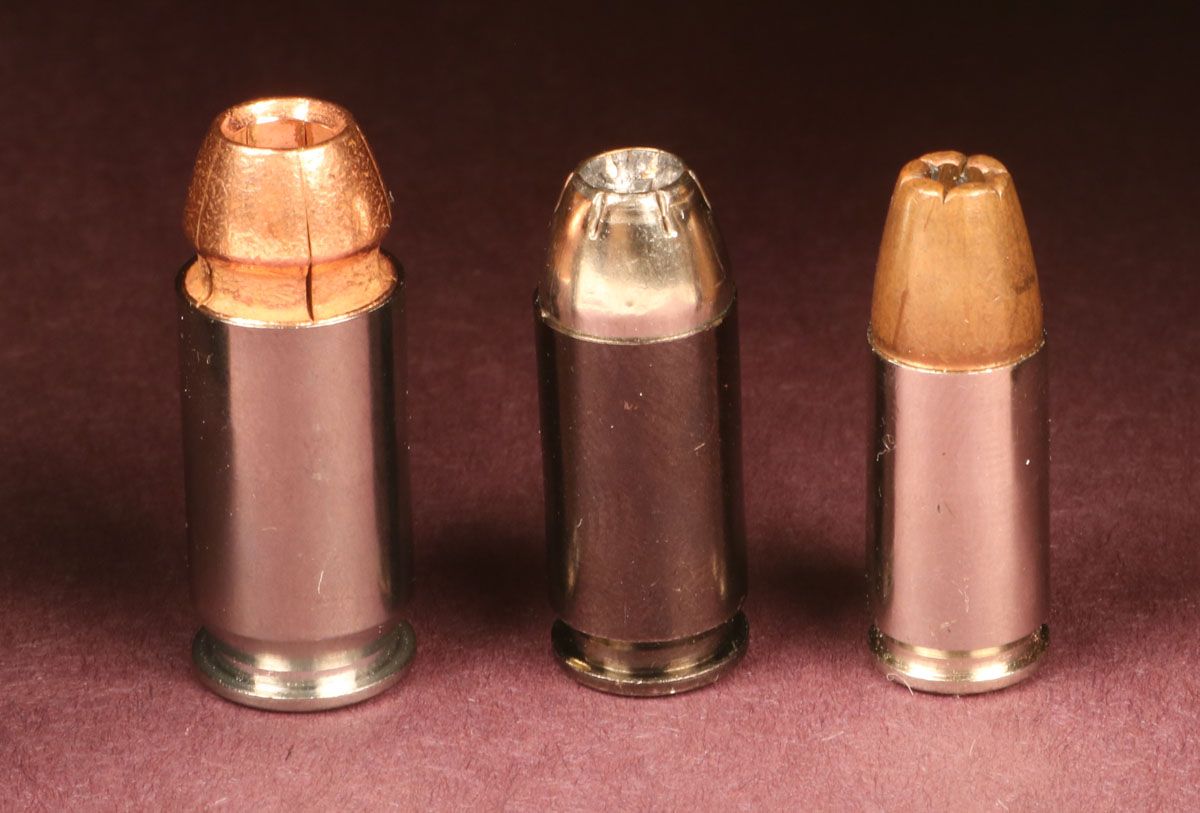
- Gelatin: Barnes TAC-XPD and Federal HST .45 ACP loads met the FBI's 12-to-18-inch penetration standard from all three barrel lengths.
- Defense load: The Speer Gold Dot 135-grain short-barrel load is rated at 990 fps and 294 ft-lb.
Background
The .45 Colt started as the U.S. Army's revolver cartridge in the Colt Single Action Army. Sadowski notes the original black powder load pushed a 255-grain bullet near 850 fps, about 409 ft-lb. The Army replaced it in the 1890s with a .38 that made only 185 ft-lb. The .357 Magnum followed in 1935, when Smith & Wesson and Remington introduced it as a higher-powered round. Its case is longer than .38 Special's, so it cannot chamber the shorter cartridge, but any .357 revolver safely fires .38 Special. John Browning designed the .45 ACP in 1905 for the pistol that became the 1911. The round runs at low pressure and modest speed. Moon clips let rimless .45 ACP run in revolver cylinders, which turned a semi-auto cartridge into a revolver option.
Why It Matters for Gun Owners
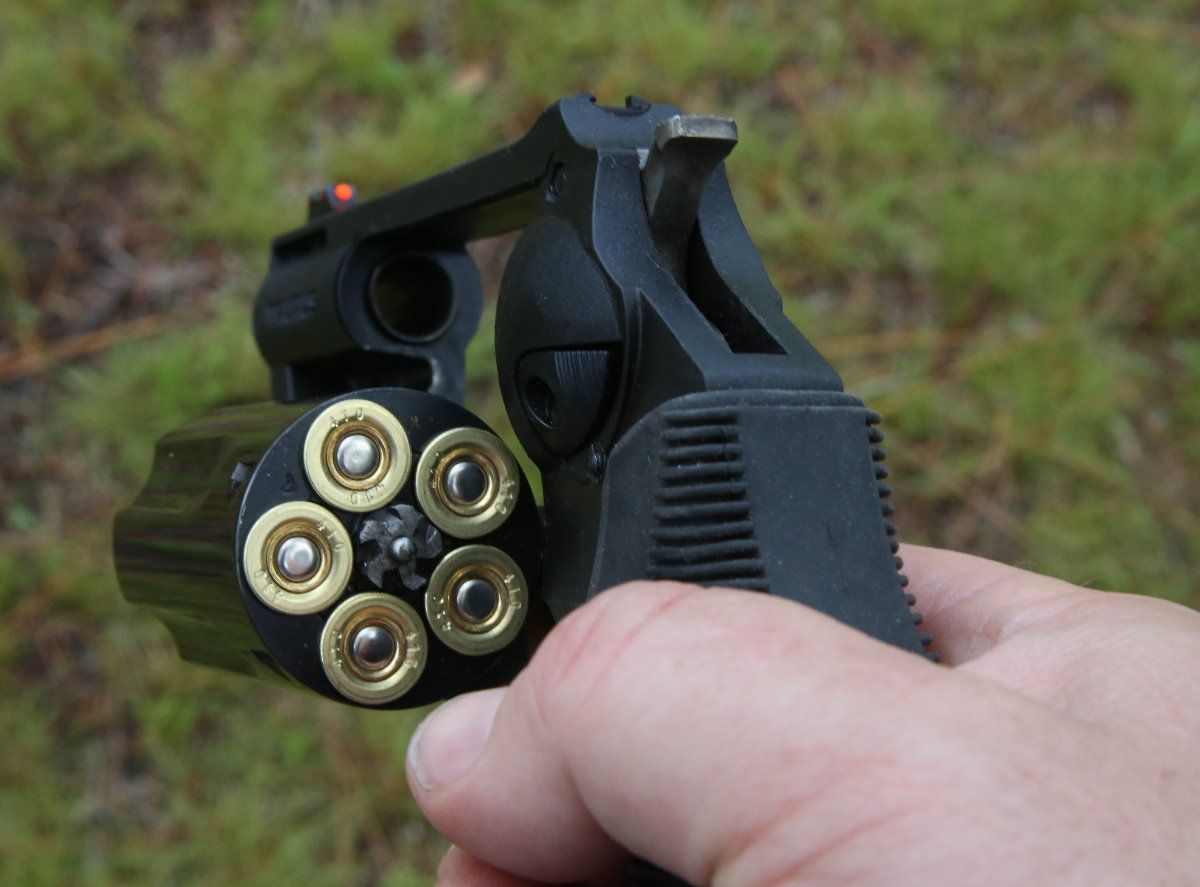
If you carry a small revolver, weight is your first decision. An ultralight J-frame in .357 Magnum punishes the hand with full-power loads. Sadowski trains with .38 Special for that reason, and most shooters should do the same. Practicing with .38 Special costs less and keeps recoil manageable, so you actually shoot more rounds. A steel-framed .357 soaks up magnum loads without complaint.
Single-action owners face a different risk. Many older Colt single actions and replicas are not built for heavy modern .45 Colt loads. Check the manufacturer's pressure rating before you load a 270-grain bullet at 936 fps. If you own a Ruger Blackhawk or similar convertible, confirm which cylinder you are loading before you pull the trigger. A .45 ACP round in a .45 Colt chamber is a fit problem, not a shooting problem, but mixing them up is a mistake you only make once. Moon clips add another step to your range routine, so practice the reload before you need it.
DownRange Analysis
Cartridge choice does not run into Bruen trouble. New York State Rifle & Pistol Association v. Bruen tests gun laws against historical tradition, and no court has tied the .357 or .45 to a legal restriction that would change how you carry. The real question is economics and fit. The .357 Magnum gives you one revolver for carry, home, and truck, and .38 Special keeps the bill low. The .45 ACP wins if you own a 1911 or any modern semi-auto, because ammo is everywhere. The .45 Colt makes sense for lever guns and single actions where you want big-bore authority. Do this now: match the cartridge to the gun you own, buy the practice load that matches it, and keep heavy loads out of any gun you have not verified for them.