The FBI's 2014 9mm Verdict Holds, But the .40 Still Has a Case
GunsAmerica Digest ran a 9mm versus .40 S&W comparison, and the writers land where most carry guns already sit: buy a 9mm for one-gun duty. The piece traces the .40 back to the 1986 Miami shootout, where a 9mm round to the chest failed to stop an armed attacker who went on to kill two FBI agents. Smith & Wesson and Winchester then shortened the 10mm into a cartridge that fit 9mm-size frames. The FBI's 2014 report found that modern 9mm loads performed as well as or better than comparable .40 and .45 ACP law enforcement loads, with less recoil and lower cost. Dr. Will Dabbs, Max Slowik, and Tom McHale defend the .40 as a legitimate second choice, but the numbers still favor the 9mm for most buyers.
Key Details
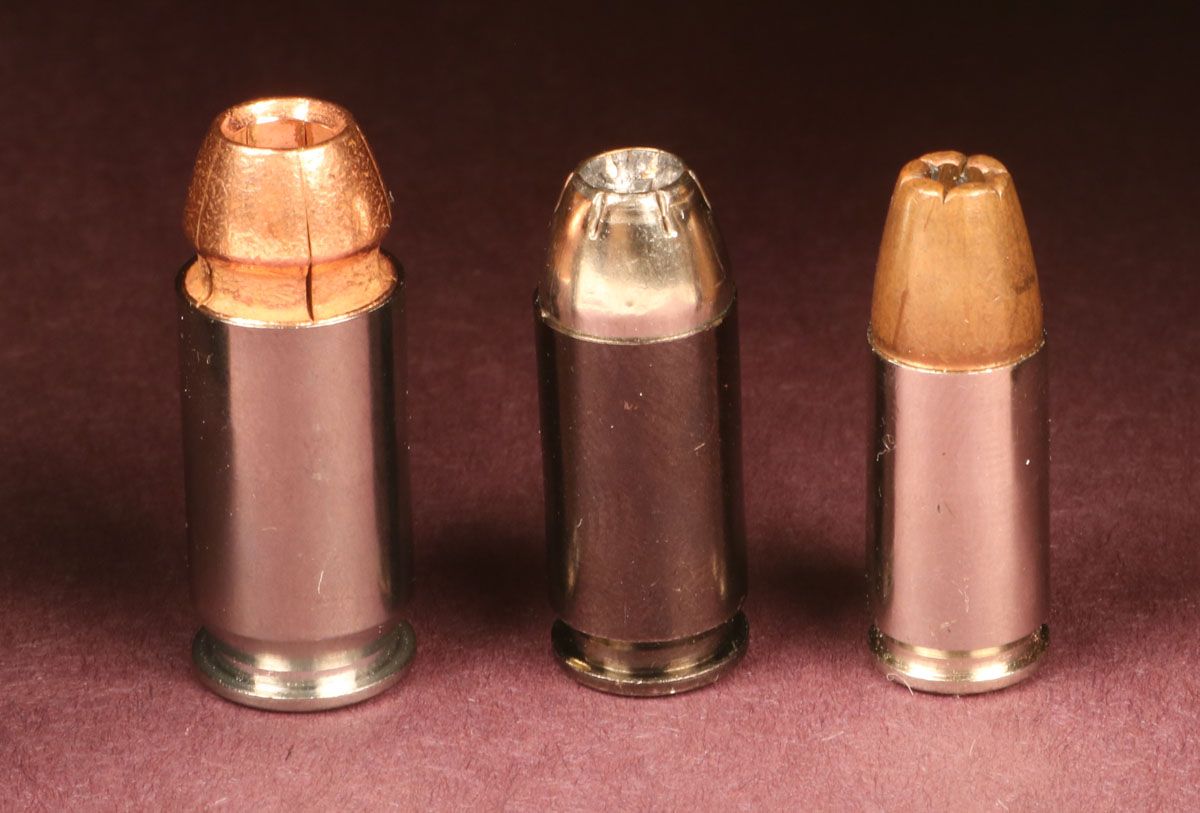
The article's recoil math comes from Andrew Chamberlain's cartridge comparison formula, run against a 40-ounce pistol. The results separate the three cartridges clearly:
- 9mm: 115-grain average load at 1,250 fps produces 3.67 ft-lb of recoil energy.
- .40 S&W: 180-grain load at 1,020 fps produces 6.12 ft-lb, roughly double the 9mm.
- .45 ACP: 230-grain load produces 7.25 ft-lb.
Dabbs describes a 165-grain .40 pushed past 1,100 fps. Both 9mm and .40 are rated to the same 35,000 psi SAAMI maximum, so the .40 relies on a heavier bullet rather than higher pressure. Slowik notes that many commercial .40 loads run light to reduce wear and recoil, while Buffalo Bore, Double Tap, and Underwood load .40 well above that level.
Capacity is where the 9mm pulls ahead. A Glock 22 holds 15 rounds of .40, and its 9mm sibling holds more. Converting a .40 frame to 9mm usually means swapping the barrel and magazine, and capacity typically drops by 2 to 4 rounds. Many .40 pistols also run .357 SIG with a conversion barrel. FBI data cited in the piece shows officers in real shootings connecting roughly one shot in five on target. Dabbs also reports that 60 percent of American police carry 9mm. The 9mm military load fires a 124-grain full metal jacket at about 1,150 fps.
Background
The .40 S&W arrived in the early 1990s as a response to a specific failure. After the 1986 Miami shootout, agencies wanted more terminal performance than the 9mm of that era delivered in their duty loads. Many departments adopted the .40 and carried it for years. Most .40 pistols were built on existing 9mm frames, which made the cartridge easy to adopt and easy to convert.
The argument shifted after 2014. The FBI's testing found modern 9mm hollow points gave up little to the .40 and .45 ACP in performance. Departments that had moved to .40 began trading those pistols for 9mm. The 9mm itself traces to Georg Luger's 1902 design, and it now ranks as the most popular centerfire pistol cartridge in the world. Dabbs and Slowik both argue that the .40 never disappeared. It kept a loyal following in the civilian market, and its performance in pistol-caliber carbines keeps it relevant. The debate has stayed alive because the 9mm won on cost and control, not on a knockout advantage.
Why It Matters for Gun Owners
Caliber choice matters most to people who carry daily and live under magazine limits. California, New York, and New Jersey cap most magazines at 10 rounds, and Colorado caps them at 15. Under a 10-round cap, a 9mm pistol and a .40 pistol hold the same number of rounds. That erases the 9mm's capacity edge and leaves the heavier .40 bullet looking stronger on paper. If you live in one of those states, your choice of cartridge changes what you carry.
Everyone else should weigh cost and practice first. A 9mm pistol gets more rounds through your hands each month because the ammo costs less. Practice volume builds the draw, the presentation, and the follow-up shots that matter in a real fight. Recoil also matters for smaller guns. Lighter .40 recoil on a micro-compact is noticeably snappier than on a full-size frame, and that affects how quickly you recover between shots. Check your state's magazine rules before buying, and confirm whether any of your existing magazines fall outside the legal limit.
DownRange Analysis
The 9mm-versus-.40 argument is a preference argument, and the courts have not made it a legal one. Under Bruen, the government must justify restrictions on arms by pointing to historical tradition, and no court is going to rule that a .40 carry gun is more protected than a 9mm. The fight that matters is over magazine caps. Those rules set the real capacity ceiling, and they are where Bruen challenges continue to bite. Your caliber choice is a tool for working inside those limits.
My move is simple. Buy a 9mm for your primary carry gun and stock enough practice ammo to shoot it every week. Keep one spare pistol in .40 only if you already shoot it well, or if you want a pistol-caliber carbine with more thump. Don't buy a .40 just because it sounds tougher. Buy the gun you will shoot most, load it with quality defensive ammo, and train with it until the draw is automatic.